

The quality of grain determines everything: the taste of bread, its nutritional value and the safety of the finished product. Kazakhstan is one of the world's leading grain producers: in 2025, with an average yield of 17 centners per hectare, the country harvested 27.1 million tonnes of grain, including 20.3 million tonnes of wheat. Volumes this large demand equally large-scale oversight: if grain is grown, dried or stored improperly, it can lose its nutritional value and become a source of dangerous substances, reports infohub.kz.
As explained at the Centre for Sanitary and Epidemiological Expertise of the Medical Centre of the Administration of the President of the Republic of Kazakhstan, there are two main groups of indicators. The first covers quality indicators: moisture content, protein and gluten levels, the amount of impurities and more. These determine the taste of bread, how well baked goods rise and the nutritional value of the product. The second group covers safety indicators, that is, the content of substances hazardous to health.
In the countries of the Eurasian Economic Union, grain safety requirements are set by Technical Regulation TR CU 015/2011 "On Grain Safety". It governs the content of mycotoxins, pesticide residues (plant protection products), toxic elements (lead, cadmium, mercury, arsenic), radionuclides, as well as pest infestation and the presence of harmful impurities.
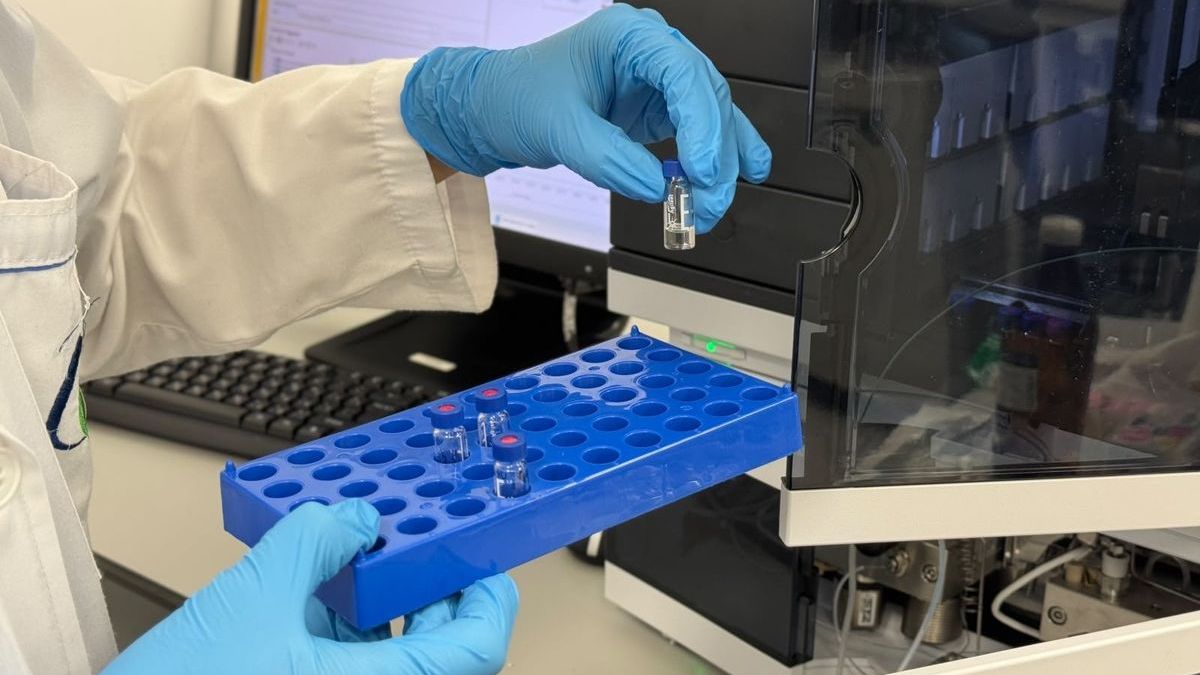
Particular attention is paid to mycotoxins. These are toxic substances produced by mould fungi when grain is affected in the field or stored improperly. Their danger lies in the fact that they are resistant to heat and can persist in the product even after baking or boiling. "Laboratory testing of grain makes it possible to confirm that the product meets the standards even before it becomes flour, bread or baby food," explains Damegul Madedinova, a specialist at the laboratory of the Centre for Sanitary and Epidemiological Expertise, a state enterprise under the Medical Centre of the Administration of the President of the Republic of Kazakhstan. At the Centre for Sanitary and Epidemiological Expertise, these indicators are determined by the laboratories of sanitary-chemical research, toxicology, HVI and dioxin determination, and radiology.
"The result of an analysis depends on how correctly the sample was taken. A single handful from the surface does not represent the whole batch: mould and toxins are distributed unevenly, in pockets," notes Damegul Madedinova. Common mistakes when submitting material include taking a sample from one spot instead of several points in the batch, packing it in damp or non-airtight containers, storing the sample in a warm place for a long time before delivery, and the absence of labelling with the batch number, date and place of sampling.
Regular consumption of products contaminated above permitted levels can have a negative effect on health. That is why it is so important to detect deviations at the raw material stage, before grain becomes flour, bread or groats.
The Centre for Sanitary and Epidemiological Expertise stresses that the quality of grain determines the taste and nutritional value of bread, but its safety cannot be assessed by eye. Mycotoxins, pesticides and heavy metals can only be detected by laboratory methods, and it is systematic laboratory testing that protects consumers' health.