

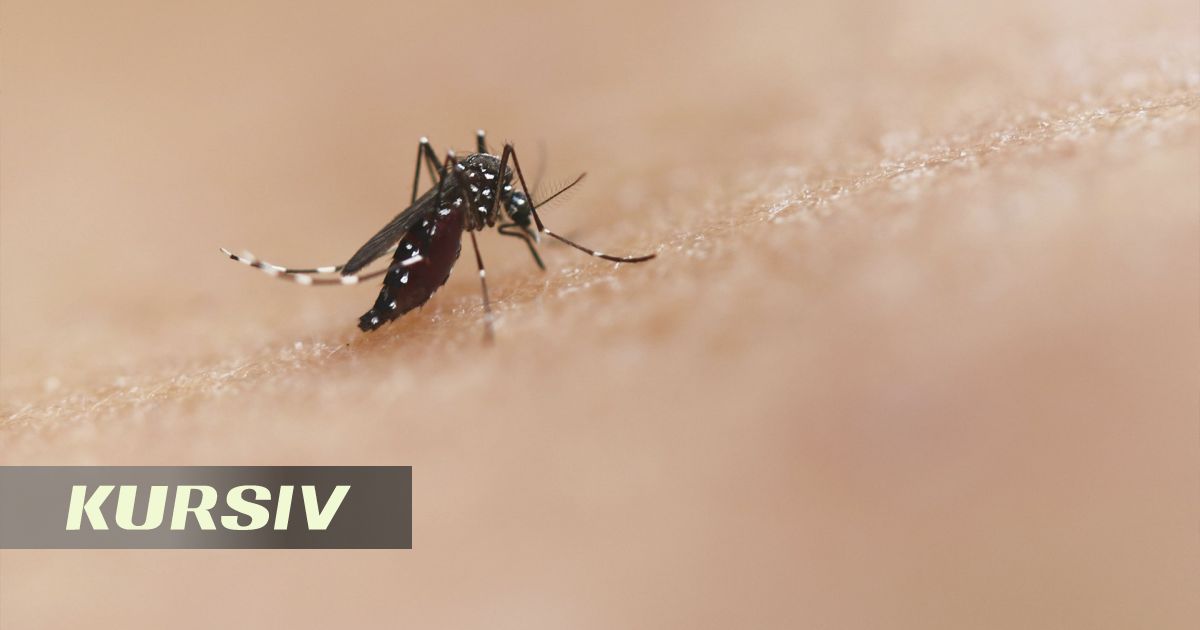
Typically, a bite from an infected mosquito means the risk of contracting malaria. Scientists decided to test whether contact with the parasite could be turned to advantage—so that the body gets extra training for the immune system without developing the disease. This is the approach researchers from the Walter and Eliza Hall Institute of Medical Research (WEHI) tested on mice, reports infohub.kz.
After a bite from an infected mosquito, the malaria parasite first enters the liver. There it multiplies, then enters the bloodstream and infects red blood cells. It is the blood stage that causes malaria symptoms. The researchers decided to stop the parasite late in its liver stage, just before it enters the blood. To do this, they used experimental drugs that block two parasite enzymes called plasmepsin IX and plasmepsin X. This allows the parasite to develop and multiply in the liver for a sufficient time, but prevents it from progressing to the disease-causing stage.
The idea is that this approach gives the immune system a better chance to "learn" the malaria parasite. If the parasite is killed immediately after infection, the body encounters a relatively small number of foreign proteins—antigens. But if the parasite manages to complete most of the liver stage, the immune system receives a stronger signal and learns to defend itself. After such exposure, mice showed several components of the immune response, including antibodies, CD8+ T cells, and memory immune cells that remain in the liver.
The researchers then exposed the mice to infected mosquitoes again. This time, contact with the parasite did not lead to the usual development of infection. Instead, it further stimulated the already established immune response. This creates an unusual scheme: the first contact with the parasite, aided by the drug, is effectively used to build immunity, and subsequent contacts can act as a booster dose. The authors call this concept chemovaccination—creating vaccine-like immunity with the help of a drug.
In mice, the developed immunity lasted up to 21 months, which is a significant portion of their lifespan. In theory, this could benefit people in regions where malaria is endemic. Subsequent contacts with the parasite might not become repeated infections but instead further support immunity. However, this is still an experimental concept. The study was conducted only on mice, so it is unknown whether the same effect will be seen in humans.