

After strengthening in May and June, the Russian ruble has started losing ground against the tenge again. From July 1 to 21, its official exchange rate averaged 8.4% lower than June's level, while Kazakhstani interest in cash currency increasingly hinges on short-term market shifts, reports infohub.kz.
In the first half of 2026, the ruble-tenge exchange rate fluctuated repeatedly. After falling from 6.5 tenge in January to 6.08 tenge in April, the ruble strengthened again: the average rate was 6.43 tenge in May and rose to 6.63 tenge in June.
However, the trend reversed in July. From July 1 to 21, the average official ruble rate was 6.07 tenge, 8.4% below the June average. As of July 21, the Russian currency traded at 5.99 tenge, down 2.4% from the start of the month.
The ruble's weakening coincided with ongoing tensions in Russia's fuel market, but analysts do not draw a direct link between the two. The Bank of Russia notes that rising fuel prices are seen primarily as a factor that could fuel inflation and raise business costs, rather than as a direct cause of exchange rate movements.
One factor that could affect the ruble's dynamics is the reduction in daily corrective foreign currency sales by the Bank of Russia as part of operations with the National Welfare Fund. In the second half of the year, this volume decreased from 4.62 billion to 0.58 billion rubles per day. Additionally, the exchange rate continues to be influenced by export revenues, import demand, and the interest rate differential between Russia and other countries. Earlier, the Russian regulator cited high export earnings, moderate imports, and elevated interest rates as key factors supporting the national currency.
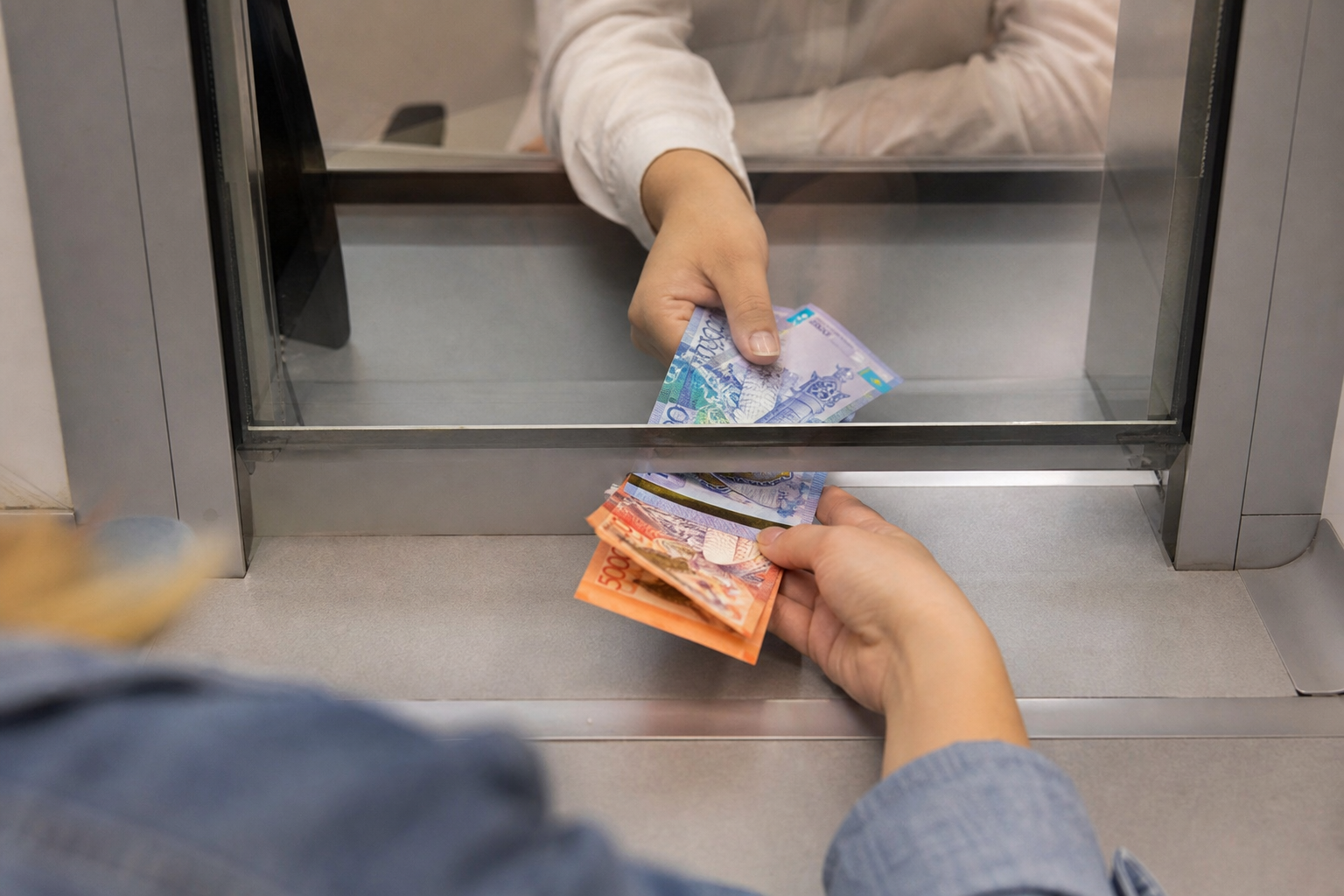
In Kazakhstan, the cash ruble market is becoming increasingly sensitive to short-term exchange rate fluctuations. While the population bought rubles more actively in February and March, sales of Russian currency exceeded purchases again in April and May. This suggests that the ruble is increasingly used for current settlements and exchange transactions rather than as a long-term savings vehicle. Future exchange rate trends will depend on the state of the Russian economy, export revenues, and the domestic fuel market situation.