

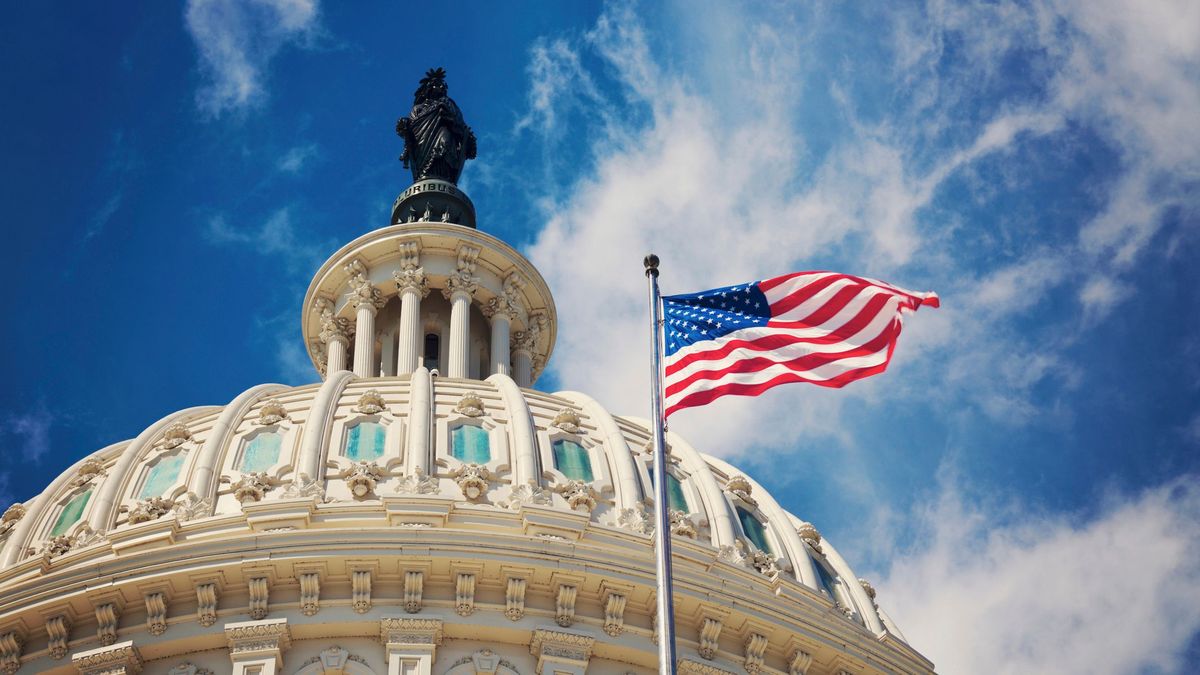
The lower chamber of the US Congress approved the start of consideration of the so-called Graham bill, with a final vote on the legislation itself scheduled for Wednesday, according to infohub.kz.
As RBC writes, the document provides for sanctions and tariffs against Russia, as well as against the largest buyers of its energy resources. Members of the lower chamber approved the rule for consideration of the bill, previously prepared by the relevant committee. This resolution sets the rules for considering the bill on the floor: how much time is allotted for debate, the order in which amendments are introduced and considered, and how the final vote will be conducted. It was supported by 214 congressmen against 211.
It is emphasized that approval of the rule allows the House of Representatives to move to discussion of the document on the merits, but does not by itself mean its adoption. The document on "hell sanctions" is named after the late Senator Lindsey Graham.
According to RBC-Ukraine, the final vote on the law itself will take place on Wednesday, September 16. Immediately after that, Congressman Michael McCaul announced that he would lead the debate in the House chamber on the final adoption of the Lindsey Graham sanctions law.
Recall that the project provides for 100% tariffs against the five largest buyers of Russian energy resources and 500% on all imports from Russia to the US. Exceptions are also envisaged for countries whose share accounts for less than 15% of annual gas exports from Russia, if they reduce purchases, but the idea of imposing a tariff of up to 500% on all direct imports from Russia to the US remains.
The document also introduces sanctions against the Bank of Russia, Sberbank, VTB and Gazprombank. In addition, the initiative instructs US President Donald Trump to ensure a complete ban on the import of Russian uranium, including products of Rosatom, and to impose regular restrictions against the leadership of the state corporation. In August, the bill on sanctions against Russia, which was developed with the participation of the late Lindsey Graham, was sent to the US House of Representatives.