
Photo: Bia Limova (https://www.pexels.com/@bia-limova-1908542654) / Pexels
Russia's New Rules Threaten Eurasian Economic Union's Stability
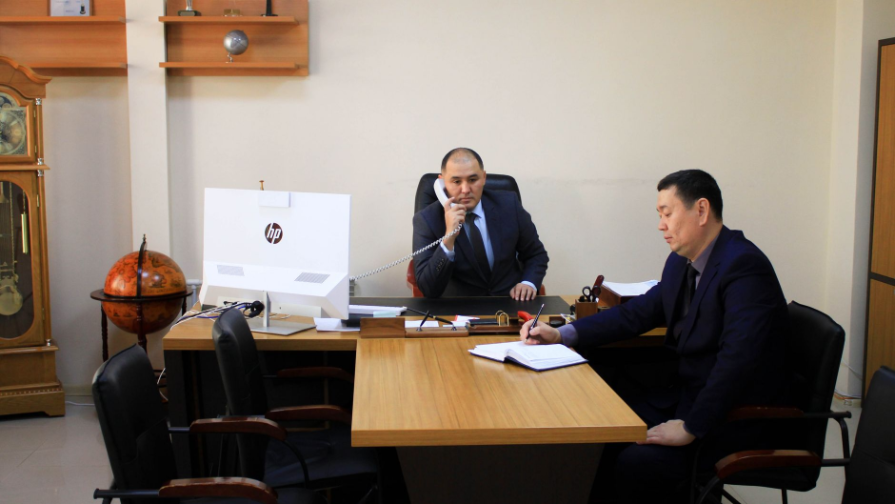
A recent meeting in Astana focused on pressing issues within the Eurasian Economic Union (EAEU), revealing growing tensions that could undermine the bloc's core principles. While integration processes are officially ongoing, regulatory conflicts are accumulating and increasingly manifesting as hidden trade barriers.
Russia's New Certification Rule Sparks Controversy
A key point of contention is a Russian government decree enacted in February 2026. This new regulation empowers Russian accreditation bodies to revoke all certificates issued within the last 12 months by a certifying authority from another EAEU member state, if that authority commits three violations within a year. Experts argue this move directly contravenes the EAEU's foundational principles of free movement of goods and aims to prevent additional business hurdles.
The potential impact is significant: even products fully compliant with EAEU standards could face revocation of their certification, creating uncertainty and disruption in the market. This unilateral action is seen by many as a step backward for the economic bloc.
EAEU Commission and Member States Respond
The Eurasian Economic Commission (EEC) and authorized bodies from Kazakhstan, Belarus, and Kyrgyzstan have acknowledged this new Russian norm as a potential trade barrier. The issue highlights a broader challenge of harmonizing regulations across member states.
Another pressing concern discussed was the registry of authorized representatives of manufacturers. Despite previous announcements of a notification-based system for this registry, a draft EEC procedure appears to introduce a permit mechanism. This would require waiting for state body approval, effectively transforming the notification process into an approval one.
Kazakhstan's National Chamber of Entrepreneurs "Atameken" has demanded the removal of such norms, emphasizing that Kazakhstan's accession to the EAEU treaty was contingent on free access to the registry without prior approval. The EEC has stated it will further refine this issue.
The meeting underscored the need for greater cooperation and adherence to agreed-upon principles to ensure the EAEU functions as intended, fostering trade rather than creating obstacles.
Bul týraly Infohub.kz aqparat agenttigi habarlaıdy.


-
Reseıdiń EAEO elderiniń sertıfıkattyq organdaryna qatysty qabyldaǵan jańa erejesi odaq ishindegi saýda kedergileriniń kúsheıýine jol ashýy múmkin.
-
Bespılotnıkı preodolelı bolee 1700 km, atakovav rossııskıe regıony. Estpostradavshıe ı razrýshenıa.