

Photo: Visit Almaty (https://www.pexels.com/@visitalmaty) / Pexels
Central Asia Faces Severe Water Shortages, Losing Fertile Land
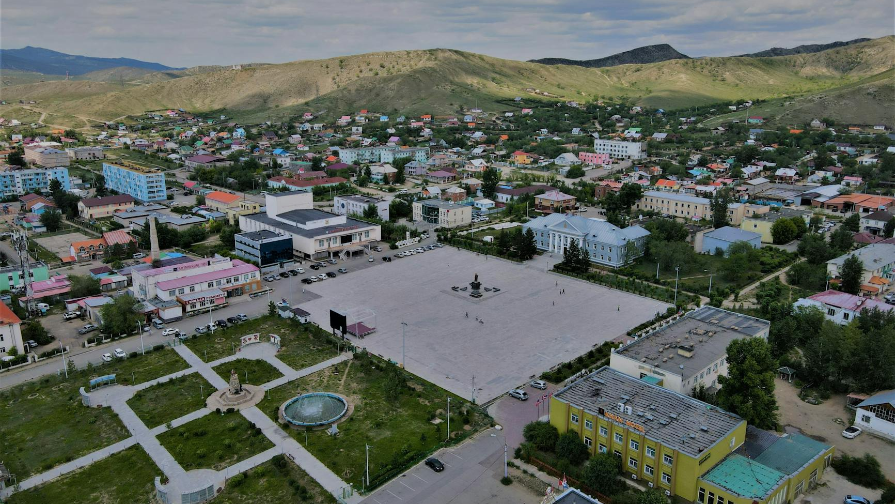
Central Asian nations are grappling with the severe consequences of water scarcity and desertification, leading to a significant loss of fertile land. Recent studies indicate that the region has lost approximately 14.8% of its arable land, posing a grave threat to agriculture and the livelihoods of its people.
Accelerating Desertification
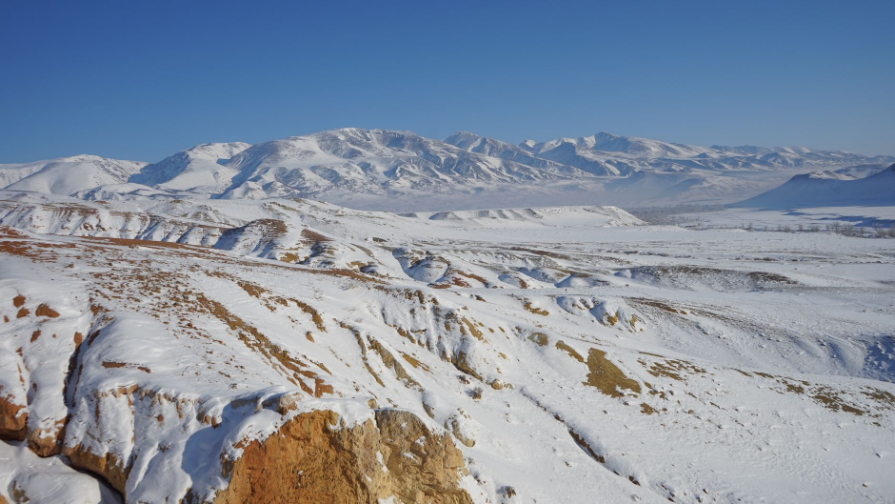
Research published on the ScienceDirect platform reveals that between 1982 and 2020, nearly 15% of Central Asia's land succumbed to desertification. Further climate studies highlight an alarming expansion of arid climate zones across the region. According to Scientific American, Central Asia has lost at least 100 kilometers of fertile land since the late 1980s, with deserts steadily encroaching.
Risk of Ecological Transformation
Experts caution that the region is at risk of undergoing a profound ecological transformation. The Caspian Policy Center notes that Central Asia, once known for its fertile plains, is now among the areas most vulnerable to desertification. This is primarily driven by dwindling water levels in rivers, reservoirs, and underground aquifers. If current trends persist, the region could face not only widespread drought but also a fundamental restructuring of its entire economic system.
Early Signs of Water Crisis
The current year has seen critically low water reserves for irrigation across Central Asia, with the 2026 growing season anticipated to be marked by significant water shortages. Official conclusions from the 92nd meeting of the Interstate Commission for Water Coordination (ICWC) paint a worrying picture for the Syr Darya basin. Water inflow during the vegetation period was 8.164 billion cubic meters below normal, reaching only 72% of the expected volume. The segment from the Toktogul reservoir in the Syr Darya basin to the Shardara reservoir in Kazakhstan experienced an inflow deficit of 4.104 billion cubic meters, meeting just 63% of the norm.
Ministerial Concerns
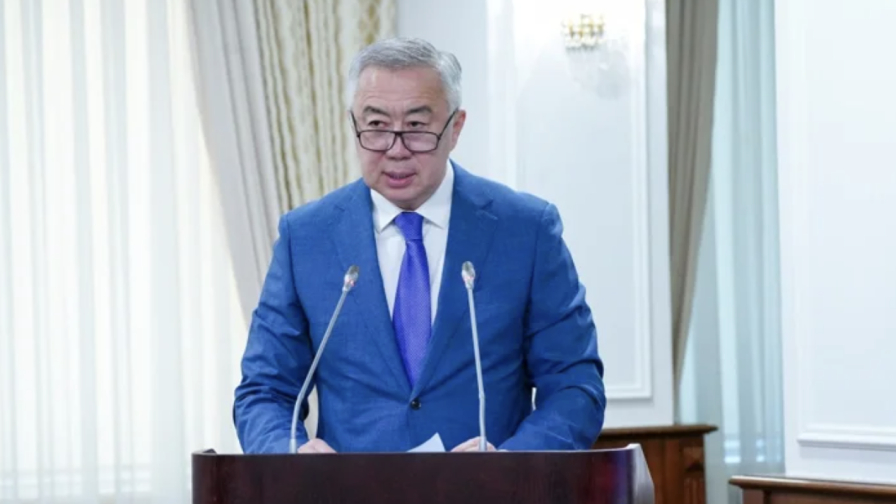
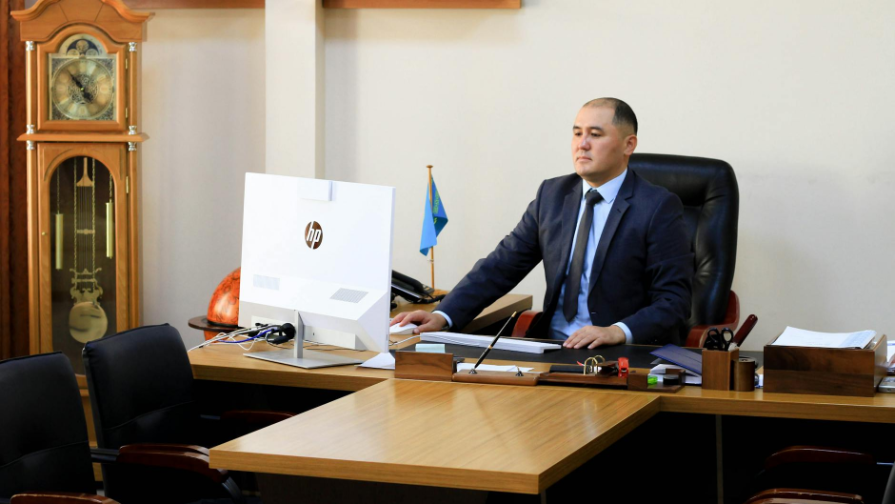
Kazakhstan's Minister of Water Resources and Irrigation, Nurzhan Nurzhigitov, speaking at the ICWC meeting in Dushanbe, stated that hydrological model calculations predict below-average water volumes in the Syr Darya and Talas river basins for 2026. He warned of high risks for the southern regions, particularly the Aral-Syr Darya and Shu-Talas basins, during the upcoming growing season.
Water levels at Kyrgyzstan's Toktogul reservoir stand at 7.6 billion cubic meters, a deficit of 1.5 billion cubic meters compared to last year. Kyrgyzstan is currently discharging water at an accelerated rate due to its own energy shortages, which could negatively impact water supply to the Maktaaral and Zhetisai districts in Kazakhstan's Turkestan region.
Water Conservation Measures
In response, the minister has instructed regional administrations to strictly adhere to water withdrawal limits and restrict the cultivation of water-intensive crops. Specifically, planting rice is to be completely abandoned in the Turkestan region, limited to 3.5 thousand hectares along the Kyzylkum canal, and not exceeding 70 thousand hectares in the Kyzylorda region. The Kirov reservoir in the Shu-Talas basin also faces water scarcity, posing a threat to the Jambyl region. Kazakhstan's allocated share of water, with a minimum requirement of 400 million cubic meters, is expected to be only 285 million cubic meters, potentially falling short of even the minimal needs for the first time.
Kazakhstan is compelled to adopt a stringent water conservation regime. Prime Minister Olzhas Bektenov has demanded a sharp reduction in the acreage of water-guzzling crops and the active implementation of water-saving technologies. The Ministry of Water Resources has been ordered to prevent water distribution beyond approved limits. According to Minister of Agriculture Aidarbek Saparov, rice fields in the southern regions have been reduced by 20.2 thousand hectares, while areas utilizing drip irrigation have expanded by 79.8 thousand hectares.
The Ministry of Water Resources, in collaboration with the General Prosecutor's Office, is implementing a roadmap to combat the "black market" for water. In 2025, 365 fines were issued for illegal water abstraction, totaling 75.2 million tenge. The ministry plans to conduct comprehensive exploratory work to identify new sources of groundwater in five regions of the country by 2027.
Central Asia has entered an era where water is its primary strategic resource. The effectiveness with which the region's nations manage this vital resource will directly influence not only future crop yields but also the very future of the peoples inhabiting the region.
Бұл туралы Infohub.kz ақпарат агенттігі хабарлайды.

-
Ғалымдар Орталық Азияда шөлейттену процесінің қарқын алғанын, бұл жағдайдың ауыл шаруашылығы мен аймақ болашағына қауіп төндіретінін айтуда.
-
Венесуэланың отстранен президенті Николас Мадуро мен оның әйелі Силия Флорес Нью-Йорктегі федералды сотта қайтадан пайда болды. Сот отырысы сот шығындарын өтеу мәселесіне арналды.