

Photo: Rebrand Cities (https://www.pexels.com/@rebrand-cities-581004) / Pexels
Kazakh Siblings Revive Family Craft, Building Million-Tenge National Clothing Brand
Two siblings from Shymkent, Nurbakyt and Akniyet, are breathing new life into a cherished family tradition by establishing a successful national clothing brand. Their venture, "ALAN," is not only selling hundreds of items monthly but is also expanding its reach into the major markets of Astana and Almaty.
A Legacy of Craftsmanship
The roots of their sewing business stretch back generations. Nurbakyt's grandfather was a skilled craftsman who made traditional headwear during the Soviet era. This artistry was later passed down to their mother, Aliya. Although she worked as a teacher, she continued sewing as a hobby. When the family needed additional income, her parents began taking orders for national costumes.
From Law and Medicine to Fashion Design
Neither Nurbakyt nor Akniyet initially pursued a career in fashion. Nurbakyt studied law, while Akniyet trained in medicine. However, their diverse educational backgrounds did not hinder their entrepreneurial spirit. Akniyet's childhood talent for drawing, combined with Nurbakyt's vision to create a brand based on the history of ornaments, led to the birth of the "ALAN" brand.
Seed Funding and Early Steps
The initial investment for their business came from Nurbakyt's presidential scholarship, amounting to 300,000 tenge, which he received during his university years. This fund was used to purchase a Janome 500E sewing machine. Initially, they used ornamental patterns found online, but they soon delved into researching the history and meaning of Kazakh ornaments to develop their unique style.
First Collection and Initial Success
Their debut collection featured headwear, robes (chapans), and jackets. All items were initially sewn at home and sold through their mother's acquaintances. Their first sale, two jackets, brought in approximately 20,000 tenge. In 2021, after a disagreement with their parents regarding business direction, the siblings decided to pursue their venture independently.
Scaling Up with a Dedicated Workshop
Until 2022, production was confined to a small room in their parents' home. To expand, they decided to open a dedicated workshop. They invested over 10 million tenge in importing equipment directly from China, including two computerized sewing machines, five straight-stitch machines, and two overlock machines. The brand name "ALAN" is a combination of the first letters of their grandfather's name, Altarbek ("Al"), and their father's name ("An").
Reviving National Values Through Fashion
Akniyet explained that while they initially focused on classic colors, they soon embraced the idea of telling the story of the Kazakh people through their clothing. They have released collections dedicated to the "Ashina" tribe and Sultan Baibars. Additionally, they promote tribal unity through ornaments featuring the inscription "Qazaq."
Viral Success on Social Media
Social media platforms, particularly TikTok, have been instrumental in the brand's widespread recognition. One video garnered 1.7 million views, leading to thousands of orders. Following increased activity on Instagram, their order volume doubled. The entrepreneurs prefer to minimize spending on targeted advertising.
Monthly Revenue and Profitability
What began with selling 5-6 items per month has now grown to over 100. Their average monthly turnover has surged from 500,000 tenge to between 2.5 and 3 million tenge. The business maintains a profit margin of 20-30%, with net profits reaching 700,000-800,000 tenge in successful months. Shirts are priced around 15,000 tenge, trousers at 16,000 tenge, and chapans range from 13,000 to 30,000 tenge.
National Attire for Everyday Wear
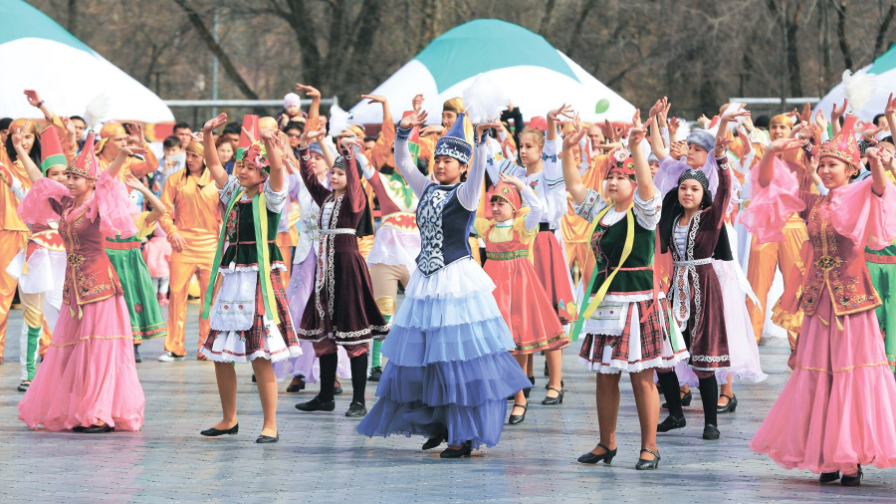
While sales peak during Nauryz celebrations and summer months, the brand is actively demonstrating that national clothing can be worn not just for special occasions but as part of everyday life.
Production Costs and Logistics
Fabrics sourced from Turkey, Dubai, China, and Taiwan cost between 3,000 and 8,000 tenge per meter. The cost to produce a single chapan is approximately 13,000-14,000 tenge, with a net profit sometimes not exceeding 5,000 tenge. Customers are charged 2,700 tenge for delivery services, with the company covering the remaining costs.
Challenges in Shymkent and Strategic Pivot
Last year, they incurred a loss of around 7 million tenge from their Shymkent store, largely due to high rental costs in local markets and significant expenses for designer renovations. However, recognizing the strong sales in Almaty and Astana, they managed to mitigate these losses by transforming the store into an atelier-showroom.
Future Expansion Plans
Currently, the entrepreneurs reinvest the majority of their profits back into business development. They plan to construct a two-story complex in Shymkent, featuring a flagship store on the first floor and a modern workshop on the second. This strategic move aims to reduce production costs and scale their family hobby into a major enterprise.
Бұл туралы Infohub.kz ақпарат агенттігі хабарлайды.


-
Шымкенттен шыққан жас кәсіпкерлер Нұрбақыт пен Ақниет отбасылық дәстүрді жаңғыртып, ұлттық киім брендін құрды. Президенттік шәкіртақысынан бастап, бүгінде олардың бизнесі айына миллиондаған табыс әкелуде.
-
Мошенники используют SMS с номера 1414 для обмана, особенно пожилых людей. Полиция Алматы призывает к бдительности и делится советами.