
Tengrinews.kz / Турар Казангапов
Kazakhstan Debates Language Test for Ethnic Kazakh Repatriates
Kazakhstan's Parliament is at the center of a debate regarding a proposed language proficiency test for ethnic Kazakhs returning to their historical homeland. Several Members of Parliament (MPs) have voiced strong objections to the initiative, spearheaded by the Ministry of Labor and Social Protection, arguing it creates unnecessary hurdles for repatriates.
Concerns Over Language Test Requirements
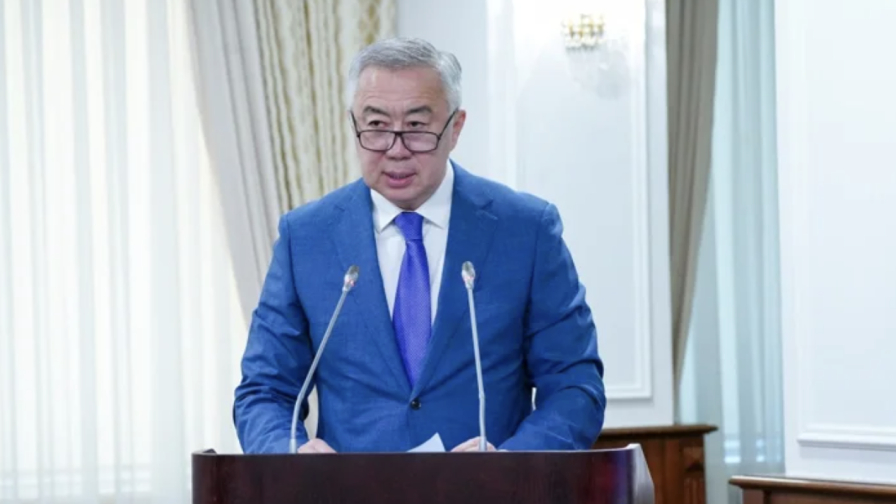
During a parliamentary session discussing draft legislation on vocational education and migration, MP Murat Abenov raised concerns about the new language testing requirement for 'kandastar' – ethnic Kazakhs returning from abroad. He stated that he had received numerous complaints from these individuals.
"I have a question for the Ministry of Labor and Social Protection," Abenov stated. "We are passing a good law. Regarding the kandastar, I have received several appeals and complaints from them. Previously, kandastar could decide for themselves where to settle. Now, this pilot project restricts them to settling only in certain regions. Before, they did not have to take QazTest, nor did they have to pass a Kazakh language exam. But now QazTest has been introduced, and our kandastar don't even know the Cyrillic alphabet, let alone pass QazTest. Therefore, they are now congregating around embassies," he explained.
Abenov questioned the rationale behind these new requirements, suggesting they might infringe upon the rights of returning ethnic Kazakhs.
Legal Contradictions and Fairness Questioned
Another MP, Kazybeyk Isa, echoed these sentiments, pointing to a potential conflict with existing legislation. "According to Article 17 of the Civil Code, it is clearly stated that the requirement to pass a Kazakh language exam does not apply to ethnic Kazakhs. However, the current pilot project obliges kandastar to pass a Kazakh language exam. Does one law contradict another?" Isa questioned.
He shared an anecdote about meeting 150 kandastar in Almaty, including a disabled individual from the Makanchy village in Abai region. "In China, the alphabet is different, in other countries it's different. How fair is it to require them to pass a Kazakh language exam? Honestly, even some ministry employees cannot pass these exams. I think this is a gross situation," Isa added.
Ministry's Defense of the Initiative
First Vice Minister of Labor and Social Protection, Yerbol Tuyakbayev, clarified that the language tests are part of a pilot project not yet fully implemented nationwide. He asserted that the project is designed to serve the interests of the state and economic development.
"If a kandas intends to reside in Kazakhstan, we will assist them in obtaining citizenship. If a migrant wishes to stay in our country temporarily, we will direct them to specific regions for employment," Tuyakbayev explained. "Regarding QazTest, the logic is as follows: basic knowledge of the Kazakh language is mandatory for any citizen wishing to move to Kazakhstan, as it allows them to express themselves freely in daily life. Therefore, this is now being introduced as a mandatory requirement – kandastar will take QazTest. This is international practice, and we have implemented it," he stated.
The vice minister further elaborated that the pilot project aims to attract кадры (skilled personnel) to regions facing shortages. The issue is slated for further discussion as a separate legislative initiative in future sessions.
Test Details and Support for Skilled Migrants
Speaking on the sidelines of the parliamentary session, Tuyakbayev assured that the Kazakh language test is not overly difficult, consisting of 60 questions with a passing threshold of 70 percent. "The questions are easy. This is international practice. If a person wants to live in this country and tie their destiny to it, they should know our language at least at a basic level," he said.
He added that for individuals whose primary goal is to work, earn income, and pay taxes honestly, the ministry would remove such barriers and proactively assist them, especially highly qualified specialists.
It is recalled that in March, the Ministry of Labor had prepared amendments obliging kandastar to be employed in the regions where they are settled. This draft order aimed to increase the effectiveness of resettlement programs and ensure their retention in new regions. The ministry noted that the lack of official employment reduces the retention of migrants, leading to re-migration and increasing the burden on local budgets.
In March, the ministry reported that 3,335 ethnic Kazakhs received kandas status in 2026, returning to their historical homeland. Since 1991, over 1.1 million ethnic Kazakhs have returned to the republic.
Бұл туралы Tengrinews.kz ақпарат агенттігі хабарлайды.
-
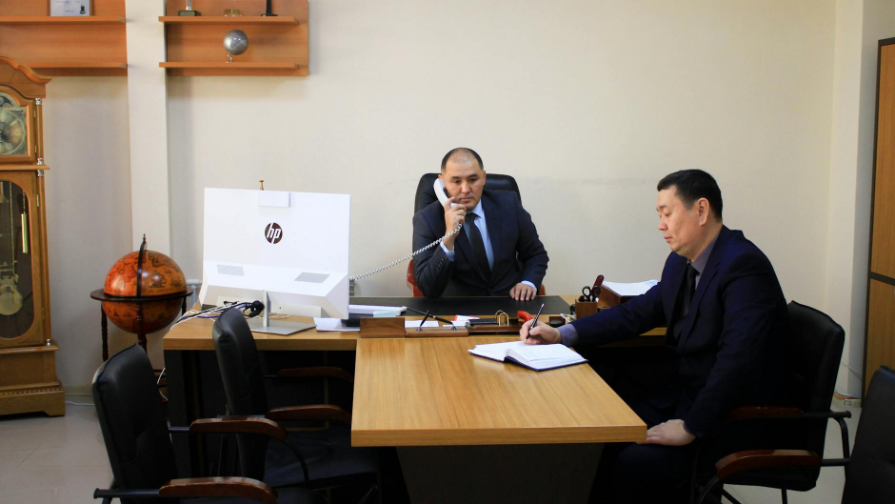
Мәжілісмендер Еңбек және халықты әлеуметтік қорғау министрлігінің қандастарға қазақ тілінен емтихан тапсырту туралы бастамасын сынға алды. Министрлік бұл талапты барлық азаматтар үшін міндетті деп санайды.
-
В Атырау продолжается судебный процесс по делу о массовом убийстве в селе Жангельды, вызвавшем широкий общественный резонанс.