
Tengrinews.kz / Турар Казангапов
Kórisý Kúni: The Ancient Tradition of Welcoming Spring After Winter
Every year on March 14th, Kazakhstan celebrates Kórisý Kúni, a cherished tradition marking the beginning of the Nauryz festivities. This day signifies the joy of overcoming the long winter and serves as a powerful symbol for strengthening human connections.
The Deep Roots of Kórisý Tradition
The custom of Kórisý is deeply intertwined with the nomadic lifestyle of the Kazakh people. During the harsh winter months, blizzards and heavy snow often isolated villages for weeks. Consequently, the arrival of spring represented renewal and life, making the reunion with relatives and neighbors a source of immense happiness.
Historians note that Kórisý was traditionally celebrated between March 10th and 17th, varying by region due to climatic differences. Western regions, experiencing earlier spring thaws, often initiated the celebrations sooner.
Historical Re-emergence and Date Significance
Professor Qalysh Amanzhol highlights that this tradition faced a ban in 1926. However, it began to revive in the mid-1980s during Gorbachev's perestroika policies. A key figure in this revival was the prominent Kazakh cultural figure, Úzbékáli Jánibekov.
The selection of March 14th for Kórisý is not coincidental. Historians link it to the adoption of the Gregorian calendar in 1918. The 13-day difference between the old and new calendars meant that March 1st in the old style (marking the start of spring) aligned with March 14th in the new style.
Saltanat Asanova, a leading researcher at the Shokan Walikhanov Institute of History, emphasizes the significance of winter for nomads: "For nomads, winter was a special, very difficult period. It was a time of trial. Works by travelers written from the 15th century onwards describe the amazing life of Kazakhs in summer and spring, stating that no one lived such a life. But winter was a real test."
Understanding the Name "Amal Meyramy"
Kórisý Kúni is also known as "Amal Meyramy." Professor Qalysh Amanzhol explains that the day also carried names like "Amal," "Hamal," "Otamal," or "Otamaly." The word "Amal" (or "Hamal") originates from the ancient Persian calendar and signifies the constellation Aries, marking the astronomical start of spring.
Folklore suggests that on March 14th, a light snow, known as "Nauryz's white snow," would fall, considered a symbol of abundance and unity for the new year.
How Kórisý is Celebrated
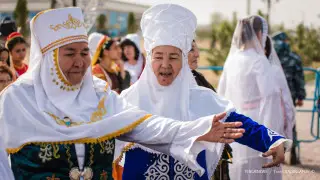
The essence of the holiday lies in its name: "kórisý" means "to see each other." It is customary to greet elders and receive their blessings, symbolizing family unity and respect for elders. The day also offers an opportunity to let go of past grievances and seek or grant forgiveness.
The Etiquette of Greeting
The rule is simple: the younger greets the elder. In the morning, it is customary to visit the eldest aksakal (elder) or grandmother of the clan to show respect and receive their blessing. Visiting at least three homes on this day is considered a good omen.
Kórisý is a day for a "fresh start." Resentments accumulated over the winter should be left behind, and even those with whom one has had serious disagreements are encouraged to seek forgiveness.
The Greeting Ritual
When meeting after a long time, people embrace and say, "Bir jasynmen!" (May you live another year!). This is a congratulation for surviving another year and overcoming the winter.
Men typically shake hands with both hands, signifying sincerity and good intentions. Women greet each other by alternately touching their right and left shoulders.
After receiving blessings from elders, it is customary to place hands on the face and say "Amin." Refusing to shake hands on March 14th was considered a bad omen.
Where Kórisý is Celebrated
Historically, Kórisý was primarily considered a tradition of Western Kazakhstan (Atyrau, Mangystau, West Kazakhstan regions). This celebration persisted even during the Soviet era when Nauryz was officially banned.
Today, the tradition has spread widely. The Amal holiday is also observed in Kostanay, Syrdarya regions, and in border areas of Russia with strong Kazakh traditions (Astrakhan, Orenburg, Saratov). With the introduction of the "Nauryznama" ten-day festival, this holiday has become a symbol of national unity.
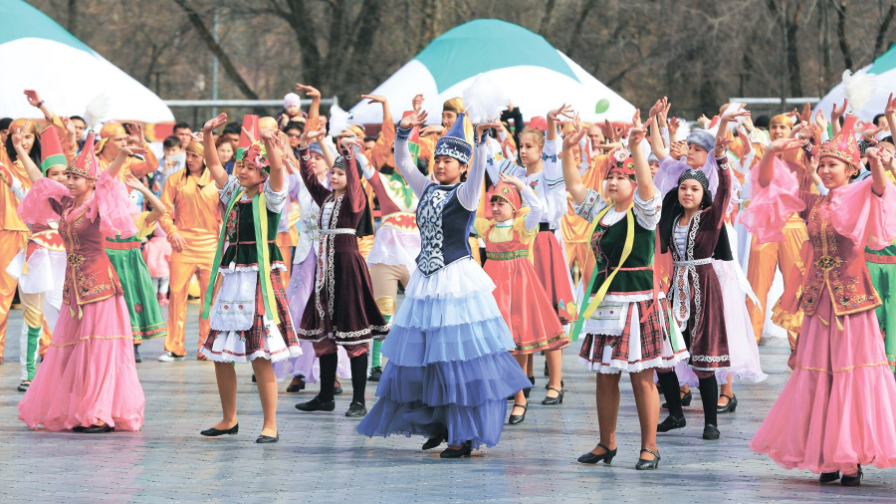
Currently, Kórisý provides an opportunity to remember one's roots, wear national attire, visit relatives and neighbors, and exchange good wishes and blessings. It allows people to embrace, say "Bir jasynmen!", and feel that spring has arrived not only in nature but also in the hearts of people.
It is worth noting that from March 14th to 23rd, Kazakhstan hosts the nationwide "Nauryznama" ten-day festival, a series of celebratory and cultural events dedicated to Nauryz. Each day of the ten-day period is dedicated to a specific theme, linked to particular values and traditions.
The "Nauryznama" schedule:
Additionally, read: How Kazakhstanis will rest during Nauryz: Calendar
Бұл туралы Infohub.kz ақпарат агенттігі хабарлайды.
-
Әр жыл сайын 14 наурызда тойланатын Көрісу күні – Наурыз мерекесінің бастауы. Бұл күн – ұзақ қыстан кейінгі қуаныш пен адамдар арасындағы байланысты нығайтудың белгісі.
-
Тегеран отрицает обвинения в запуске баллистической ракеты по территории Турции, заявляя о попытках США и Израиля испортить отношения между странами.