
depositphotos.com
UAE Exits OPEC and OPEC+ in 2026: What It Means for Global Oil Markets
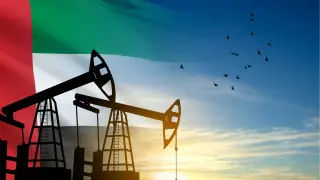
The United Arab Emirates (UAE) has officially announced its withdrawal from the Organization of the Petroleum Exporting Countries (OPEC) and the broader OPEC+ alliance, effective May 1, 2026. This significant decision stems from the nation's long-term strategy to bolster its energy sector and accelerate investments in domestic production capacity.
According to an official statement from Abu Dhabi, the UAE intends to continue gradually increasing its oil production in line with market demand and conditions, even after leaving OPEC. This move comes after a thorough review of the country's production policies and its current and future capabilities.
Geopolitical Landscape and Future Outlook
UAE officials highlighted that geopolitical instability in the Persian Gulf and the Strait of Hormuz, coupled with projections of growing global demand for energy resources in the medium to long term, influenced this decision. The nation emphasized its commitment to remaining a reliable supplier, crucial for the stability of the global energy market.
A Key Moment in OPEC's History
The UAE joined OPEC in 1967 and maintained its membership after the formation of the state in 1971. Throughout its tenure, the country played an active role in supporting the stability of the world oil market. However, internal constraints within the alliance reportedly hindered the UAE's ambitions to expand its oil production capacity.
The UAE's departure from OPEC and OPEC+ could reshape the balance of the global oil market. Analysts suggest that if the UAE significantly ramps up its crude production, it could diminish OPEC+'s influence and potentially lead to a decrease in oil prices over the long term.
This development was reported by the Infohub.kz information agency.


-
Over 120 apartments in Kostanay will be without hot water starting April 29 due to essential heating network repairs on Maylin Street.
-
Правительство Казахстана готовит пакет мер для улучшения условий труда и повышения доходов специалистов в сфере животноводства, сталкивающейся с дефицитом кадров.