

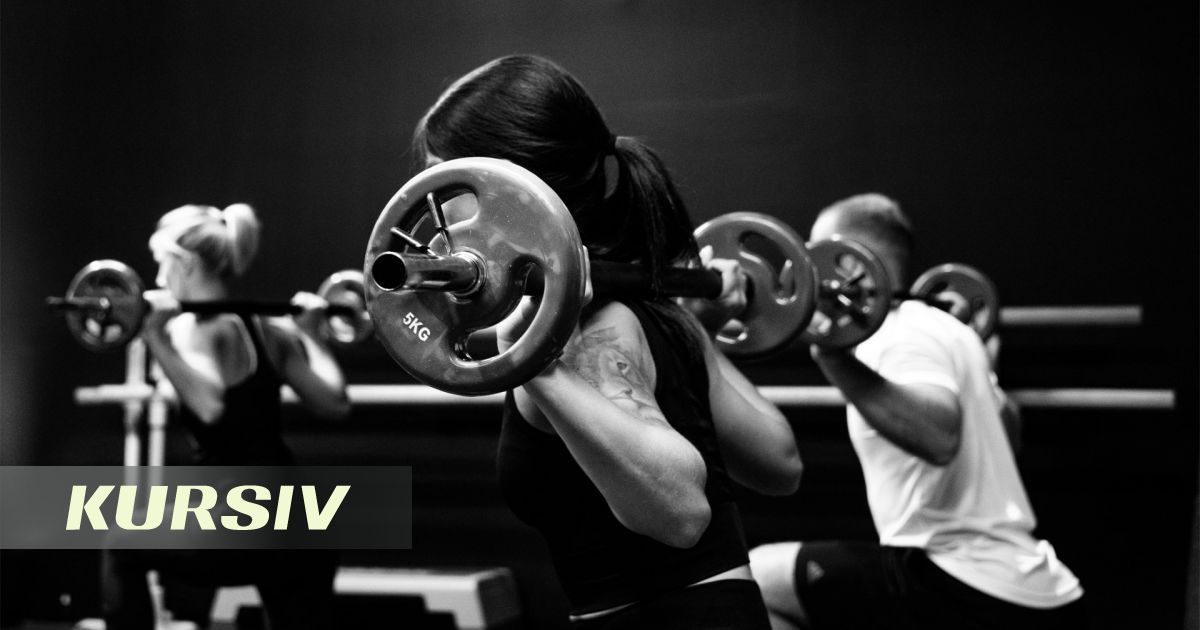
A brisk walk or a bike ride does not replace a proper warm-up before strength training, fitness trainer Lera Logunova warned, explaining why joints need dedicated preparation, according to infohub.kz.
Many people mistakenly believe that after walking or cycling, with the heart pounding and the body heated up, they can go straight for the dumbbells. According to the trainer, such questions come up constantly, so she decided to settle the matter and explain why you shouldn't move on to strength exercises after cardio alone — a warm-up is needed.
Logunova stresses that a warm-up is not just about breaking a sweat. It has three key tasks. The first is lubrication for the joints: at rest, cartilage is "dry" and vulnerable, while movements through a full range of motion trigger the production of synovial fluid, which protects the joints from friction and wear. The second is that a warm-up "wakes up" the nervous system, improving technique and strength. The third is ligament elasticity: tissue warmed by 1–2°C becomes flexible, reducing the risk of injury.
"During walking or cycling, the leg joints only work 'back and forth,' without rotation or opening up. As a result, we end up with a locked upper body: the shoulder girdle and thoracic spine remain static. On top of that, prolonged walking or cycling strains the iliopsoas muscle — because of this, the glutes simply won't 'engage' at full strength during the workout," she explains.
The trainer notes that walking or cycling is an excellent "prelude," but afterward the joints need targeted preparation. Strength and high-intensity workouts require a full 8–10 minute warm-up.
"If you've come in from a walk or feel tightness in your muscles, at least do three minutes of joint warm-up. That means gentle rotations in all the joints (shoulders, pelvis, knees, ankles), turns and gentle extensions in the thoracic spine, as well as dynamic bends or rocking lunges to open up the hips," the trainer explains.
Logunova previously explained how not to quit training in the first few weeks.