

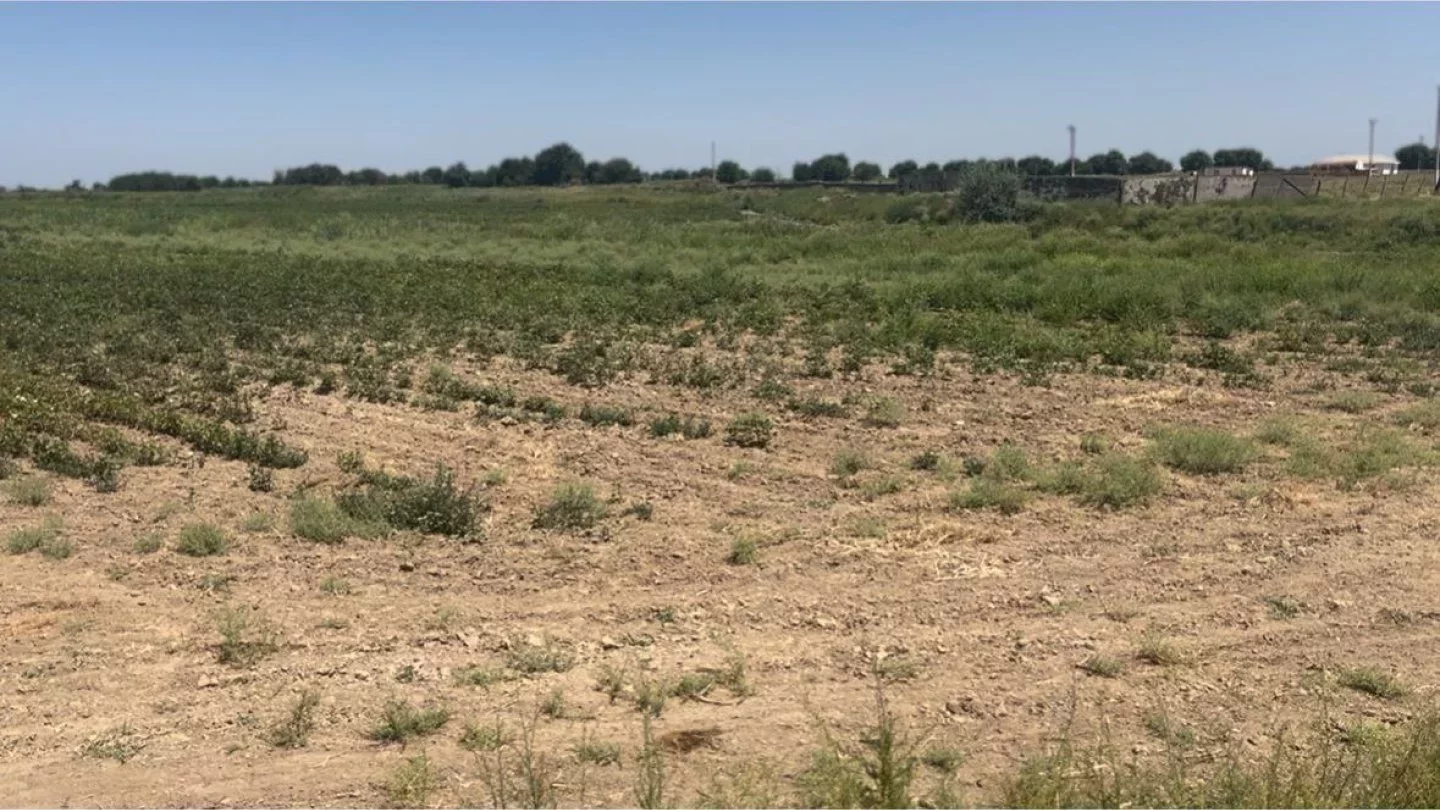
Kazakhstan will ban the export of fertile soil and require those responsible for land degradation to pay for restoration. These measures are part of a new law on soil protection, reports Orda.kz.
The law prohibits exporting the fertile soil layer abroad. It may only be used for reclamation of disturbed lands, restoration of degraded areas, improvement of agricultural land, and greening of populated areas.
Restrictions on soil use may be imposed based on soil, land reclamation, and agrochemical surveys, as well as land valuation and monitoring. Prohibitions could include: cultivation of certain crops and alien plant species; use of specific farming technologies; plowing of hayfields and pastures; and use of degraded, low-productivity, or technogenically contaminated plots.
Costs incurred by landowners and land users for restoring degraded soil must be compensated by those whose actions or inaction caused the damage. Businesses will be required to monitor the impact of their operations on soil condition.
Landowners and land users will be required to allow experts onto their plots for surveys, quality assessments, and soil monitoring. Data from the agrochemical land condition database must be publicly accessible.
A special land use regime may be introduced for land restoration, including restrictions or bans on certain types of land use. If restoring soil fertility is impossible, the plot may be taken out of use.
The law will take effect in September 2026.
Earlier, we reported that the Ministry of Agriculture said heat and drought did not affect the country's harvests.