

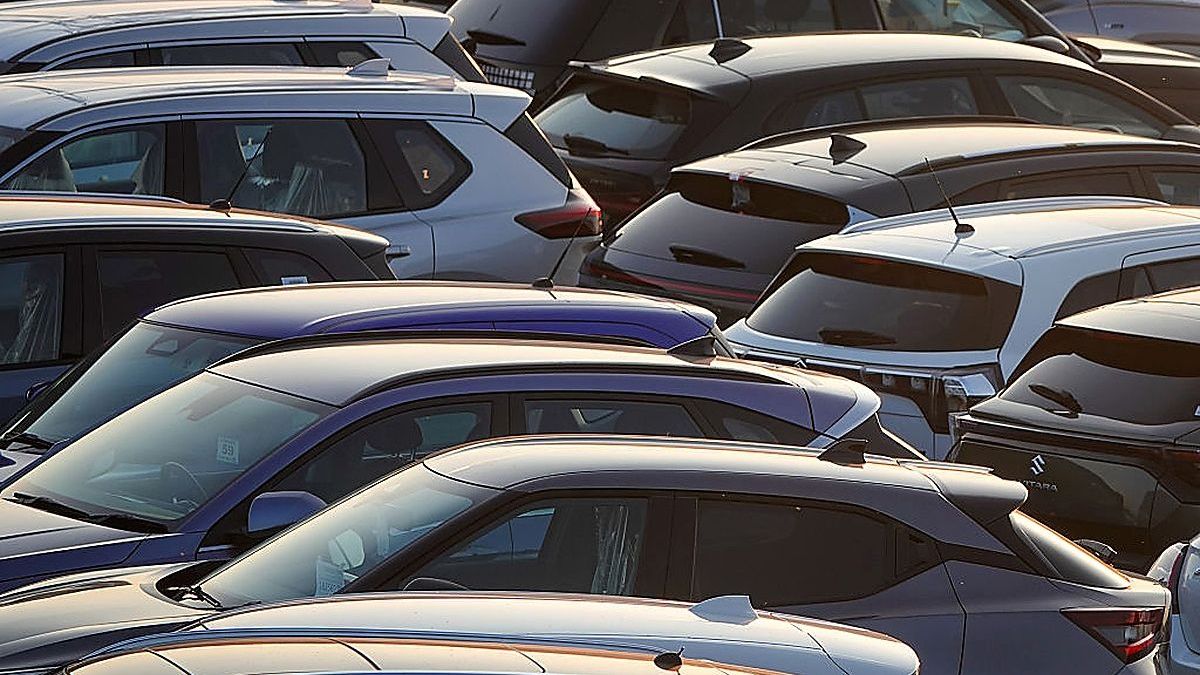
Starting September 1, Kazakhstan has introduced stricter control measures for the import of so-called 'gray' cars. According to infohub.kz, the government has ordered tighter enforcement of existing regulations without introducing new restrictions.
The increased control is linked to ongoing cases of illegal vehicle imports, which often fail to meet established standards. Now, importing such cars will become more difficult, affecting customs administration, technical requirements, and enforcement of current norms.
The news has sparked public reaction, with buyers wondering if car prices will rise. However, the government has not announced any increase in recycling fees, higher costs for initial registration, or a separate September duty. In July, the State Revenue Committee denied rumors of higher import rates, emphasizing that existing customs duties remain unchanged.
Officials reminded that for personal use, the limit of one car per person per year remains, and registration must comply with customs legislation. Auto expert Alexey Alekseev suggested that the stricter measures may have been prompted by fraud cases, such as a major car dealership in Almaty that sold cars for a year and a half, collecting prepayments before disappearing with clients' money.
The Ministry of Industry and Construction explained that the necessary regulations are already in place, and the state intends to enforce them more strictly. A key measure concerns the purpose of the vehicle: individuals can import cars for personal use, but mass imports for resale must be registered as commercial activity. Therefore, claims that all cars will automatically become more expensive do not align with the announced measures.
Private importers fear that individuals will still have to use passenger customs declarations, where flat rates for new cars up to three years old reach 48-54% of customs value. For commercial imports, the calculation may include a 15% duty and VAT, with the base VAT rate set at 16% from 2026. The auto expert noted that 'gray' importers often offer lower prices, but buyers lose warranty and service, especially for brands without official dealers.
Some experts predict a 10-15% price increase for certain parallel-imported cars, reducing their price advantage and affecting the secondary market. Official vehicles and locally assembled cars are not directly affected by the September price hike.
Recall that in July, Prime Minister Oljas Bektenov called for measures to prevent 'gray' car imports, and Minister of Industry and Construction Ersayin Nagaspayev explained the reasons for the stricter controls.