
tengrinews.kz
Rare Asian Leopard Spotted Again in Mangystau, Kazakhstan
A rare Asian leopard, a species listed in Kazakhstan's Red Book, has been sighted once again in the Mangystau region. This reappearance is considered a significant indicator of successful wildlife conservation efforts.
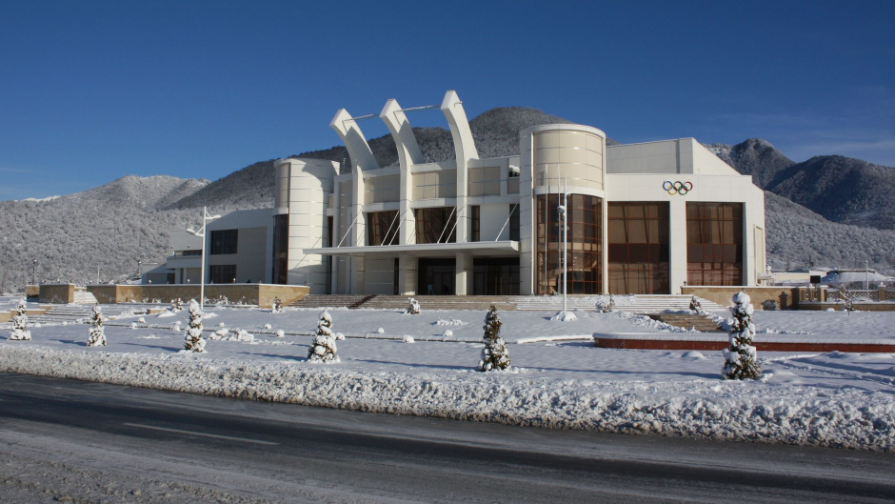
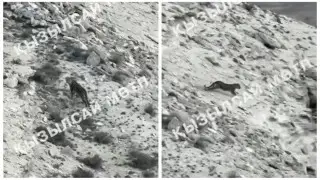
The elusive predator was observed on April 1st within the territory of the 'Kyzylsai' State Regional Nature Park. According to the park's director, Mynbergen Qaratayov, a wildlife tracker managed to observe the animal in its natural habitat and capture it on a camera trap.
'Kyzylsai' Park: A Haven for Leopards
This sighting marks a crucial moment, as the same leopard was last recorded in this park in July 2023. Its reappearance suggests that the animal has established the 'Kyzylsai' area as its permanent habitat. This is a positive sign, indicating the stability of the natural ecosystem and the high level of biodiversity protection within the park.
The Asian leopard is a large wild cat, with males reaching up to 171 cm in body length (excluding the tail), a tail length of up to 106 cm, a shoulder height of up to 80 cm, and a weight of up to 90 kg. They are characterized by a large head, relatively short legs, and a long tail.
Their primary diet consists of hoofed animals, including Ustyurt mouflon and goitered gazelles.
A Solitary Resident
Previously, a wildlife specialist from the 'Kyzylsai' park had noted that this particular leopard is the sole representative of its species in the Mangystau region. It has been identified as a male, with females primarily inhabiting areas in Turkmenistan. The male leopard is known to occasionally travel to Turkmenistan and return via the Ustyurt Nature Reserve.
All recorded sightings of leopards in Mangystau via camera traps thus far have been attributed to this single individual.
This news comes from the Infohub.kz information agency.


-
Qazaqstannyń Qyzyl kitabyna engen sırek kezdesetin azıalyq qabylan Mańǵystaý oblysynda qaıta kórindi. Bul jabaıy tabıǵattyń baılyǵyn saqtaýdyń mańyzdy belgisi.
-
Korpýs strajeı ıslamskoı revolúsıı Irana zaıavıl ob atake na obekt v OAE, predpolojıtelno svázannyı s amerıkanskımı voennymı.