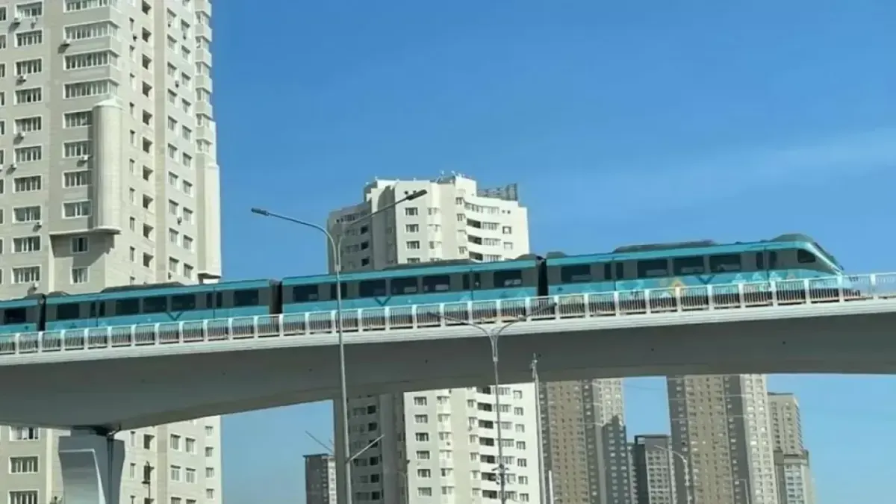

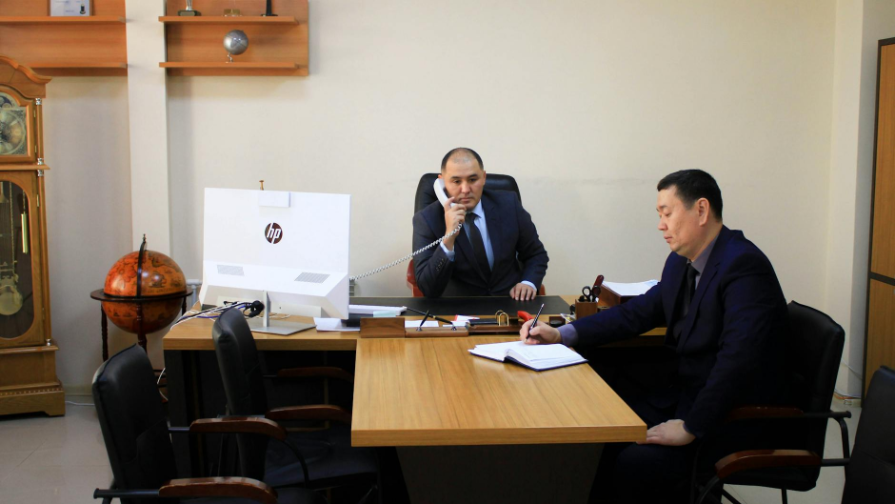
Photo: Ayazhan (https://www.pexels.com/@ayazhan-3173683) / Pexels
Semey's Transformation: Over 300 Billion Tenge Invested, What Has Changed?
Semey, which became the administrative center of Abai Region, has undergone significant transformations in recent years. New buildings and districts are being constructed, and older ones are being renovated. However, opinions are divided on the city's current state, with some viewing it as a historical and spiritual hub, while others point to underdeveloped infrastructure and social issues.
Historically, Semey was established as a major trading center. By the early 20th century, it was one of Kazakhstan's largest cities, surpassing Almaty in population in 1926 with 56,000 residents. It even served as the capital of the Kazakh Autonomous Republic, boasting numerous mosques, churches, palaces, and public buildings.
The city's development slowed after the 1940s when it gained a semi-closed status due to its proximity to the nuclear test site. Despite this, Semey maintained a high level of culture and intellectual life, with many educational institutions, industrial enterprises, museums, and theaters established.
By the late 1980s, Semey's population exceeded that of neighboring Oskemen and Pavlodar. However, after the dissolution of the Semey region, the city experienced a 25-year period of decline, losing many of its assets. Currently, Semey still lacks essential infrastructure found in other regional centers, such as adequate road networks, hot and cold water systems, and recreational parks. For instance, tens of thousands of residents in the Voskhod and Vodny settlements lacked access to clean drinking water last year, suggesting that reclaiming its former status is still a distant prospect.
Development Efforts and Challenges
Between 2022 and 2025, over 85 billion Tenge has been allocated annually for Semey's development. Despite these substantial investments, significant challenges remain.
Persistent Traffic Congestion
One of the city's primary issues is traffic congestion. The number of vehicles in Semey has nearly tripled since 2022, rising from 44,000 to 135,000. However, the city's aging road infrastructure cannot cope with this increase. The two main parts of the city are connected by only two major streets, and building new crossings is difficult due to the railway dividing the city.
Furthermore, Semey's strategic location on a major transport corridor connecting Russia and China means thousands of freight trucks pass through daily, adding to the strain on the roads. Former regional governor Nurlan Urankhaev had planned a new tunnel under the railway, estimated at 17-18 billion Tenge, but funding was not secured. The current mayor, Berik Wali, is also considering this tunnel and a bypass road, offering hope for resolving the traffic problem if these projects are realized. Additionally, the construction of a new city bridge, estimated at 47 billion Tenge, is also delayed.
Completed Projects
Since the establishment of Abai Region, ambitious plans for the city's renewal have been proposed and some have been implemented. The construction of the new regional court building is complete, though issues with timely waste removal during construction were raised.
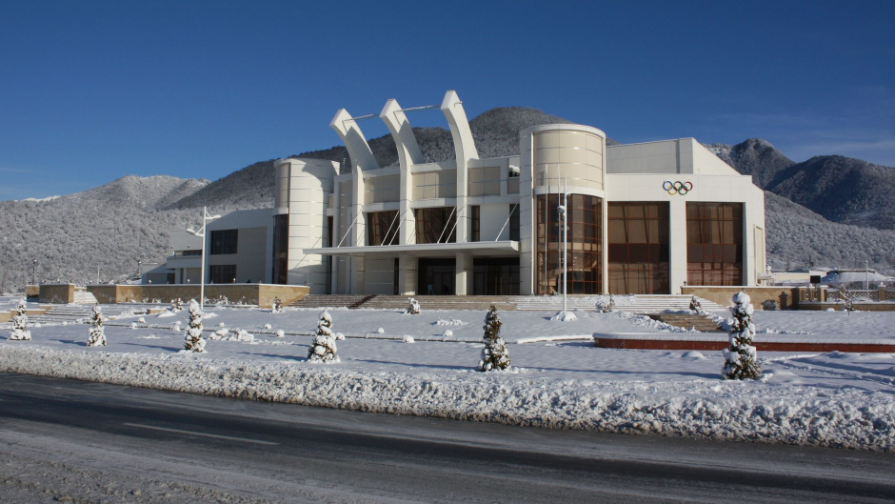
The construction of the Palace of Schoolchildren, a project long anticipated by residents, faced financial difficulties but resumed and was completed in 2025 with an allocation of 7.6 billion Tenge. This is a significant project, especially considering the city has lacked such a center for children for 34 years.
An 11-story city administration building has been constructed on the site of the former "Irtysh" hotel, with renovation costs estimated at 3.6 billion Tenge. The "Spartak" stadium, opened in 1966 and home to the "Elimay" team, has also been renovated, leading to increased public attendance.
Projects Underway
Renovation work on the railway station is in progress and is expected to be completed by the end of 2026, funded by Kazakhstan Temir Zholy. The Semey station's last major reconstruction was in 1972.
Business and Investment News
A five-star hotel and restaurant complex has opened on the site of the old mill building belonging to the well-known Musin brothers. This complex received 7 billion Tenge in investment. Entrepreneur Kairat Itemgenov invested over 10 billion Tenge in restoring the historic building. The project is expected to create 105 permanent jobs upon launch. The complex spans 8,300 square meters and can accommodate 180 guests.
Bul týraly orda.kz aqparat agenttigi habarlaıdy.

-
Almaty police have intensified road safety measures, uncovering over 5,000 violations in just three days, including a driver clocked at 250 km/h.
-
V 36-m mıkroraıone Aktaý aktıvno vozvodátsá sovremennye avtovokzal ı komýnalnyı rynok. Proekt stoımostú 1,5 mlrd tenge planırýetsá zavershıt k konsý 2026 goda.