
depositphotos.com/ 1000Words
Europe Faces Potential Flight Disruptions Amid Aviation Fuel Shortage Fears
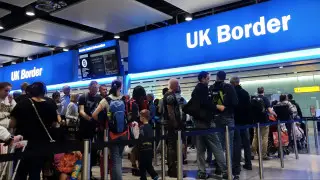
Europe is on the brink of potential widespread flight disruptions due to a looming aviation fuel shortage. Fatih Birol, the head of the International Energy Agency (IEA), has warned that current fuel reserves at European airports may only last for approximately six weeks.
Risk of Cancellations
The critical situation could lead to flight cancellations in the near future, particularly if oil supplies are further impacted by ongoing geopolitical tensions, such as a potential conflict with Iran. This warning comes after the European region of Airports Council International previously alerted the European Commission to the possibility of a fuel deficit emerging as early as May, should tankers be unable to navigate the Strait of Hormuz.
Varying Regional Impact
The severity of the fuel shortage is not uniform across the continent. Countries like Austria, Bulgaria, and Poland reportedly have sufficient fuel reserves. However, nations such as the United Kingdom, Iceland, and the Netherlands are facing a more precarious situation, with France positioned somewhere in between.
Experts suggest that the impact will also vary among airports and airlines. Rico Luman, an economist at ING Bank, noted that smaller, inland airports might be more vulnerable than major hubs. This could result in partial cancellations rather than a complete shutdown of air travel.
Airlines Call for Action
Airlines for Europe (A4E), an association representing major carriers including Air France-KLM, Lufthansa, and Ryanair, has urged the European Union to implement real-time monitoring of aviation fuel stocks at airports. However, fuel suppliers have been hesitant to share sensitive commercial data with major clients.
A Global Energy Crisis
IEA Executive Director Fatih Birol has characterized the situation as the "biggest energy crisis" stemming from the potential halt of oil, gas, and other vital resource deliveries through the Strait of Hormuz. He emphasized the significant implications for the global economy, warning that prolonged disruption could negatively affect worldwide economic growth and inflation.
Birol identified Japan, South Korea, India, China, Pakistan, and Bangladesh as countries particularly vulnerable to this energy crisis. He also voiced opposition to Tehran imposing fees on vessels transiting the Strait of Hormuz.
This information was reported by the Infohub.kz news agency.


-
Халықаралық энергетикалық агенттігінің басшысы Еуропада авиациялық отынның алты аптаға ғана жететінін мәлімдеді. Иранмен соғыс салдарынан мұнай жеткізу үзілсе, рейстер жақын арада тоқтатылуы ықтимал.
-
Любимые актеры вновь воплотят культовых персонажей во франшизе "Властелин колец". Узнайте, когда ждать премьеру.