
Алтынай Сагындыкова / Kazinform
Kazakhstan Drivers May Lose Licenses Over Kumys Consumption
In Kazakhstan, a question frequently arises: can consuming kumys, a traditional fermented horse milk drink, lead to a driver losing their license? The answer hinges on whether specialized devices detect alcohol in the body after consumption, potentially leading to severe penalties.
Stricter DUI Enforcement in Kazakhstan
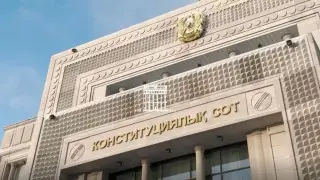
Kazakhstan has implemented stringent penalties for driving under the influence. According to Article 608 of the Code of Administrative Offenses, drivers caught operating a vehicle while intoxicated face a 15-day detention and a driving ban of up to 7 years. Refusing a sobriety test can extend this ban to 8 years.
Ardan Saimagambetov, Deputy Head of the Aktobe Regional Police Department, noted that many drivers caught driving drunk appeal for amnesty, citing the need to support their families. In the first four months of this year alone, approximately 400 individuals were apprehended for driving under the influence. The police advocate for stricter measures, noting the increase in the driving ban period from 3 to 7 years.
The Kumys Defense: Fact or Fiction?
Some drivers attempt to use drinking kumys as an excuse for failing sobriety tests. However, medical professionals determine the presence of alcohol or other psychoactive substances. The findings from these medical examinations are then forwarded to the courts.
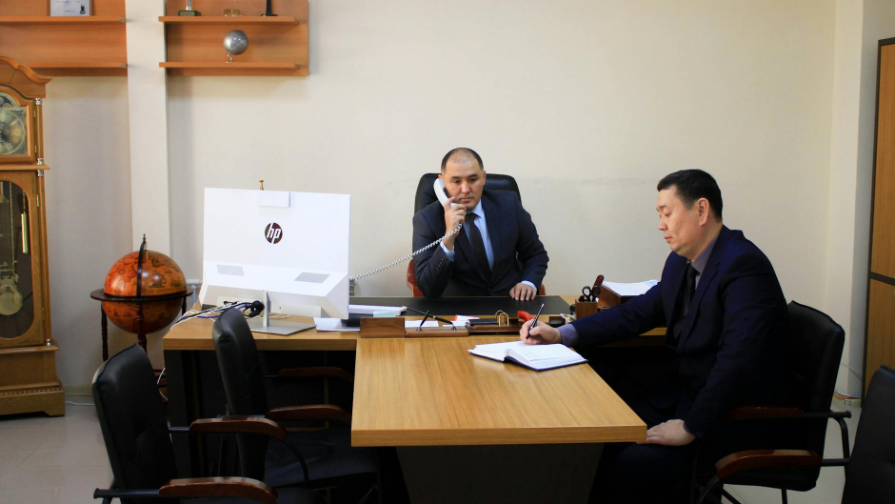
Saken Almanyazov, head of the Aktobe forensic examination office, stated that nearly half of the drivers brought in claim to have consumed kumys. He explained that the decision is based on the detected level of intoxication. "If a person is intoxicated, we determine the degree and issue a conclusion. The court then makes the decision," Almanyazov said.
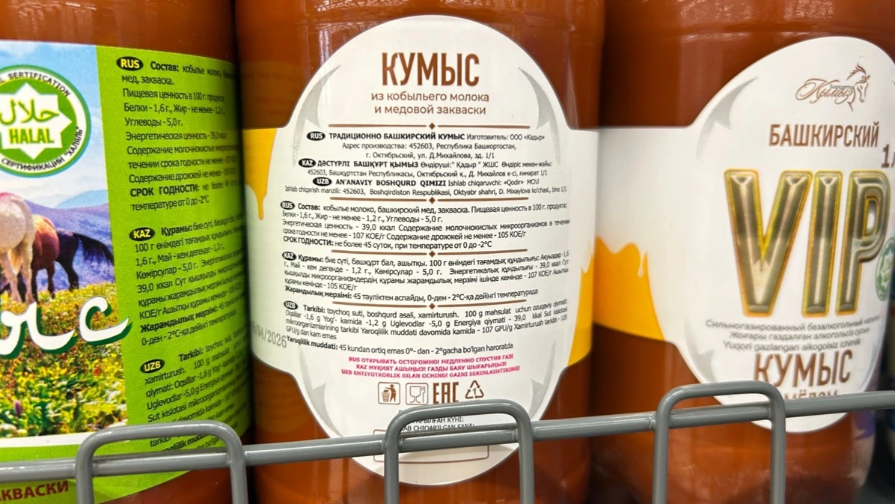
He clarified that moderate consumption of traditional kumys typically does not lead to intoxication. However, excessive consumption of commercially bottled kumys, especially if improperly prepared with additives like milk powder, honey, or yeast, could result in detectable alcohol levels.
Almanyazov also mentioned that a small amount of alcohol, around 0.2 permille, can naturally occur in the human body but is usually not detectable by breathalyzers. Consuming a liter of ayran or pure kumys does not raise this level. He emphasized that intoxication is assessed through various tests, including pupil reaction, not just visual cues.
The forensic office handles over 1000 drivers annually, with about 400 confirmed as intoxicated. Others might have a "fact of consumption" where alcohol is present but doesn't impair driving ability, thus not incurring punishment.
Understanding Alcohol Content in Kumys
Samal Duzelbayeva, head of the Chemistry and Food Technology department at Aktobe Regional University, explained that alcohol can form in kumys if yeast and honey are added, or if the drink is stored for extended periods. The natural fermentation process of mare's milk, especially over time, can also produce alcohol.
She noted that while natural fermentation occurs, the addition of yeast significantly accelerates the process and increases alcohol content. Some manufacturers also add cow's milk to extend shelf life, which contains lactose that can ferment into alcohol.
Entrepreneur Medet Kosherbayev, head of "Khan Kumys" LLC, stated that while his company produces kumys certified as halal by the Spiritual Administration of Muslims of Kazakhstan (SAMK), some customers specifically request "intoxicating" or "effect-causing" kumys. His company refuses such orders.
Kosherbayev pointed out that certain types of kumys, like Bashkir kumys and "Skrypytanit" kumys, are known to have a stronger effect and are in high demand despite being twice as expensive.
The SAMK issued a clarification in May 2024, affirming that mare's milk and kumys are considered halal according to Sharia law, provided they do not cause intoxication and are consumed without harm.
Бұл туралы Infohub.kz ақпарат агенттігі хабарлайды.
-
Қазақстанда қымыз ішкеннен кейін жүргізуші куәлігінен айырылуы мүмкін бе деген сұраққа жауап іздедік. Полиция мен сарапшылар пікірін біліңіз.
-
Казахстанский терапевт поделилась информацией о своей зарплате, вызвав обсуждение низких доходов медицинских работников в государственных клиниках.