
Photo: Нурлан (https://www.pexels.com/@165511592) / Pexels
Kazakhstan Parliament Sees 15 Deputies Depart Amidst Political Reforms
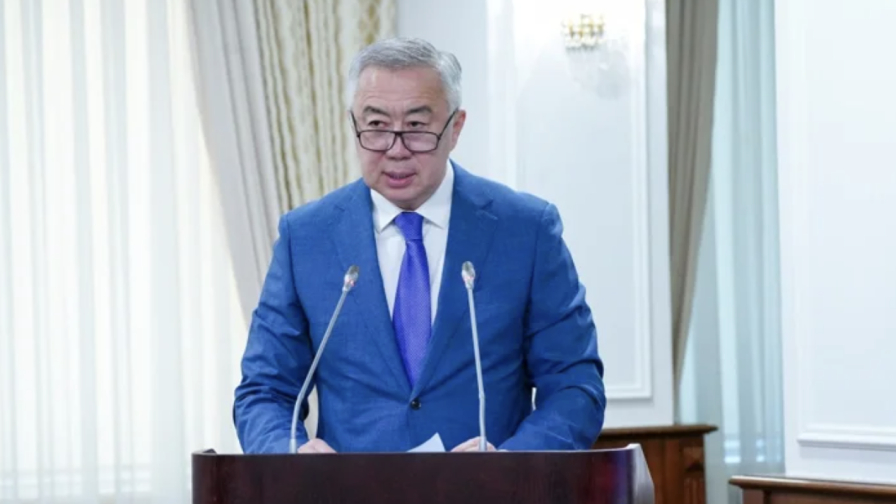
The ranks of Kazakhstan's Parliament are thinning as 15 deputies from both chambers have voluntarily stepped down from their positions. This move comes as the nation navigates a significant political transformation, potentially marking the initial stages of a new political order.
Political Reforms Trigger Departures
Historically, no parliamentary convocation in Kazakhstan has completed its full term. While the 8th convocation aimed to break this tradition, evolving political circumstances and new demands have reshaped the legislative landscape. The transition towards a new political system necessitates changes that may not align with the original five-year mandate.
Shifting Political Landscape
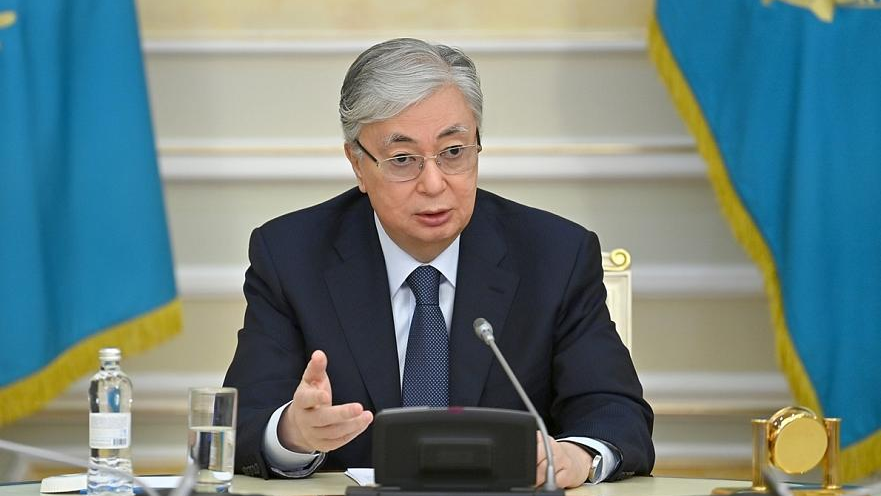
President Kassym-Jomart Tokayev had previously indicated that the transition to a unicameral system would not be rushed, with the current Parliament expected to serve until 2028. The 8th convocation began its term on March 29, 2023, with elections typically scheduled for 2028 under a standard five-year term.
However, the dynamics of politics often demand swift action. Societal needs and the pace of modernization can outstrip the capacity for lengthy waiting periods, potentially diminishing public interest if reforms are not implemented promptly. Recognizing this, the Head of State has accelerated reforms to prioritize national interests.
Constitutional Changes and Legal Alignment
The new Constitution introduces a revised balance of power, requiring the renewal of institutions. This necessitates new elections to avoid legal contradictions between the old system and the new mandate. Following a referendum on March 15, 2026, Kazakhstan transitioned from a bicameral to a unicameral Parliament, now named the "Quryltai of the Republic of Kazakhstan." Despite this, the existing Constitution still recognizes the Senate and Majilis, with their members continuing their work. New elections are crucial to resolve this discrepancy.
Reasons for Deputies' Resignations
The departure of 15 members from both parliamentary chambers is part of an ongoing process, with individual reasons varying. Some have been appointed to higher positions, others have returned to their businesses, and some were compelled to leave by their political parties. The exact reasons for each deputy's departure are specific to their circumstances.
Upcoming Quryltai Elections
Elections for the new unicameral system are slated to occur before the opening of the new session in September of this year. The current Parliament is responsible for enacting the legislation that allows for these resignations. A joint session of the Majilis and Senate is scheduled for the upcoming Friday to address these significant changes, which will impact the entire system of governance.
Alongside the unicameral Quryltai, a high consultative body, the "People's Council of Kazakhstan," will be established. According to Article 70 of the new Constitution, its formation procedure will be detailed in a constitutional law. The President has emphasized the need for a complete legal framework and the establishment of new institutions to support these reforms, a process expected to continue until the end of 2026.
Parliamentary elections are anticipated in the summer of 2026. In accordance with Article 95 of the new Constitution, Parliament's term will end on July 1, 2026. The President is required to announce and hold the Quryltai elections within three months of the new Constitution coming into effect, suggesting a potential election date by August 31, 2026.
A notable change for future elections is that deputies will be elected solely through party lists. All 145 members of the Quryltai will be determined by political parties competing within a single electoral district, setting the stage for a significant contest among parties in the upcoming elections.
Бұл туралы Infohub.kz ақпарат агенттігі хабарлайды.
-
Қазақстан Парламентінің екі палатасынан 15 депутат өз өкілеттіктерін тоқтатты. Бұл жаңа саяси жүйеге көшудің алғашқы белгісі ме?
-
Полная переписка между известными поэтами Бауыржаном Халиоллой и Журсином Ерманом, датированная 2011 годом, вновь вызвала жаркие споры в интернете.