
Photo: Ayazhan (https://www.pexels.com/@ayazhan-3173683) / Pexels
Kazatomprom's Key Uranium Mines Nearing Depletion: What's Next?
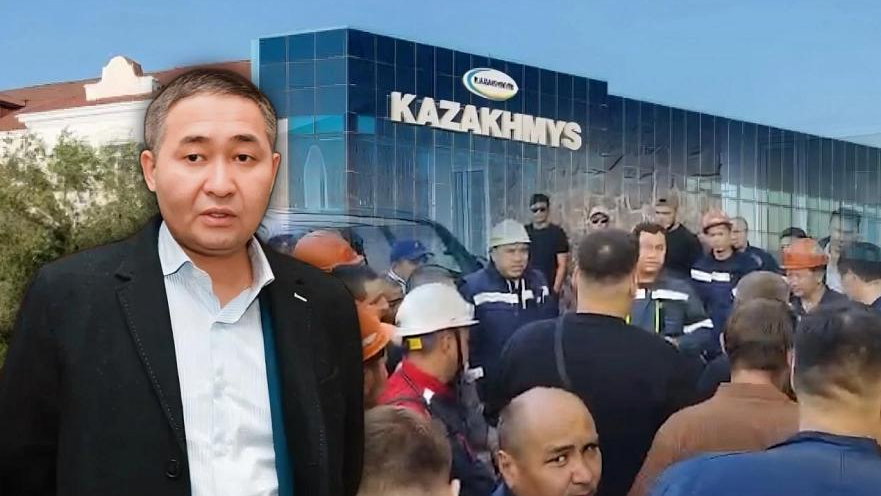
Kazatomprom, Kazakhstan's national atomic energy company and a global leader in uranium production, is set to exhaust its two primary mining sites, Akdala and Zarechnoye, within the next six years. This significant development was announced during a recent investor call, highlighting the evolving landscape of the nation's crucial uranium sector.
Mine Lifespans and Future Prospects
The Akdala mine's contract is set to conclude this March. While approximately 1.7 thousand tons of uranium reserves remain, the company is exploring options to extend its operational life by an additional three years through further exploration. If new deposits are discovered nearby, their development could commence.
The Zarechnoye mine, with reserves estimated at 2.5 thousand tons and resources at 3.2 thousand tons as of late 2024, is slated to operate until 2029. However, expert assessments suggest potential for continued operation until 2032, albeit with gradually decreasing production volumes.
Strategic Adjustments and New Agreements
Kazatomprom is actively engaged in exploration efforts to identify new uranium deposits, as stated by CEO Meirzhan Yussupov. The company is also positioning itself to secure new licenses under updated legislation. For the Akdala mine, which was previously co-managed with Rosatom, Kazatomprom could secure up to a 90% stake in a new license. The remaining reserves at Akdala are projected to sustain operations until 2030, contingent on securing this new agreement.
Rising Production Costs
The company has also acknowledged a potential increase in the cash cost of uranium production (C1). This is largely attributed to a rise in subsoil use taxes (SNPU), which could account for up to 40% of the company's financial indicators, up from 30% in 2024 and 36% in 2025.
Furthermore, the rising cost of sulfuric acid, a key component in the in-situ recovery (ISR) mining method, poses another challenge. While Kazatomprom is partially dependent on Russia for this chemical, import substitution efforts are underway. A new sulfuric acid plant launched by a Kazakhstani division of EuroChem at the end of last year, with a capacity of 800 thousand tons per year, is a significant step. Another plant of similar capacity is expected to launch in the Turkestan region by 2027.
Chief Financial Officer Marat Tulebayev anticipates the C1 production cost for 2026 to be between $23.5 and $25 per pound of uranium, a notable increase from the projected $18.06 in 2025. This rise is directly linked to increased SNPU and sulfuric acid expenses.
Technological Development
Kazatomprom continues to advance its capabilities in uranium conversion and enrichment technologies. According to Dastan Koshurbayev, Deputy CEO for Strategy and International Development, significant developments in conversion are expected soon, while enrichment remains a more complex, long-term objective.
This information was reported by the Infohub.kz news agency.


-
«Қазатомпром» компаниясының екі негізгі кеніші – Ақдала мен Заречное алдағы алты жылда толық игеріліп бітеді. Бұл туралы компанияның инвесторлармен өткізген конференц-байланыс отырысында айтылды.
-
Чили азаматшасы Мария Муньос қазақ мәдениетіне деген сүйіспеншілігін домбырада ойнап, қазақ әндерін орындау арқылы көрсетеді.