

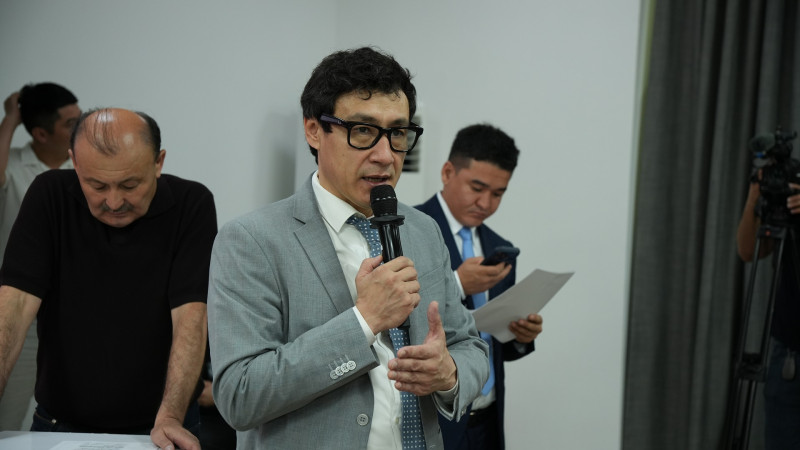
Following public discussions on the Strategic Environmental Assessment and adjustments to Almaty's General Plan، residents have raised numerous questions about the city's future، property rights، and next steps in implementing the document. Askat Saduov، General Director of Almatygenplan Research Institute LLP، addressed the most common concerns، reports the website infohub.kz.
The first question concerned the fundamental difference between the General Plan and the Strategic Environmental Assessment (SEA) report. Saduov explained: 'Indeed، both processes are closely tied to urban development، so many residents perceived them as a single procedure. However، under the law، they are two distinct processes with different goals، subjects of discussion، and legal consequences. The public hearings on the General Plan amendment project focused on the strategic planning document itself، which outlines Almaty's long-term development، functional zoning، transportation، engineering and social infrastructure، greening، and general urban policy directions. The Strategic Environmental Assessment، on the other hand، does not modify the General Plan or make urban planning decisions. Its task is to assess the potential environmental impact of the General Plan's decisions on the environment، public health، water resources، green spaces، and other ecological factors، and to propose measures to prevent or minimize such impact. Therefore، issues such as specific facility placement، demolition of buildings، changes to land boundaries، or individual construction projects were not addressed during the SEA public hearings.'
When asked whether a home located in an area designated by the General Plan for future development implies mandatory sale or acquisition، Saduov answered: 'This is one of the most common misconceptions. The General Plan is a strategic planning document. It outlines the city's development directions but by itself does not constitute grounds for construction، land acquisition، or termination of property rights. The designation of a functional zone in the General Plan does not mean that the owner must sell their land or home. Property rights remain fully intact and can only be terminated in cases and procedures explicitly provided by the legislation of the Republic of Kazakhstan، such as for road construction and acquisition for state needs.'
Regarding cases of land acquisition، the expert clarified: 'The only grounds for compulsory land acquisition are state needs as provided by law. Typically، this involves construction of roads، engineering infrastructure، social facilities، and other state-important projects. Construction of commercial facilities، including residential complexes and business centers، does not qualify as state needs. Such projects are implemented solely with the voluntary consent of the landowner to sell their property. The price and other terms are determined by agreement between the owner and the potential developer. Implementation of General Plan projects follows existing legislation and does not automatically terminate citizens' property rights.'
Regarding the legal force of the General Plan، Saduov explained: 'The General Plan is the primary urban planning document that defines the long-term spatial development strategy of the city. It serves as the basis for developing detailed planning projects، construction projects، and other urban planning documentation. However، the General Plan itself is not a direct-action document. It does not grant construction permits، change citizens' property rights، or serve as grounds for land acquisition or demolition of real estate.'
When asked whether residents will be able to influence decisions after the General Plan is approved، the answer was affirmative: 'Absolutely yes. Approval of the General Plan does not end public participation. On the contrary، after its approval، the development of more detailed urban planning documentation begins، including detailed planning projects (DPP) and construction projects. It is at these stages that decisions on the development of specific areas are made، and legislation provides for public participation procedures where residents can submit their proposals and comments.'
Regarding the handling of residents' inquiries، Saduov said: 'We understand residents' concerns and consider them entirely natural. That is why extensive explanatory work is being carried out in all districts of the city. Meetings are organized with residents، where specialists from the Almatygenplan Institute and the city administration explain the General Plan provisions، clarify current legislation، and answer questions. At the same time، these meetings help identify real problems. In many cases، they are related not to the General Plan but to unregistered title documents، unauthorized residential buildings، or mismatches between land use designation and actual use. Each inquiry is reviewed individually. Where legislation allows، we will provide necessary assistance in documenting and finding legal solutions. However، it is important to understand that the possibilities for such assistance are not unlimited. For example، if a land plot is located in an area designated by the General Plan for residential development and no decision has been made on acquisition for state needs، then، if legal grounds exist، we can consider changing the land's designated use، say from gardening to individual housing construction، or documenting the house. However، if the plot already falls within an area intended for road construction or another state-need project، legislation does not allow changing its designated use to individual housing construction or documenting it in a way that circumvents the acquisition procedure. Therefore، we review each case individually and act strictly within the law.'
In conclusion، Saduov addressed residents: 'First of all، I urge residents not to fall for rumors and to obtain information from official sources. The General Plan is a strategic document that defines the city's development for decades to come. By itself، it does not cancel property rights، require residents to sell their homes، or serve as grounds for demolition. All decisions affecting specific land plots and real estate properties are made exclusively in the manner established by the legislation of the Republic of Kazakhstan. We will continue to hold meetings with residents، explain the General Plan provisions، and jointly find solutions to the issues that concern citizens today.'
Material provided by Almatygenplan Research Institute LLP.