
Photo: Bia Limova (https://www.pexels.com/@bia-limova-1908542654) / Pexels
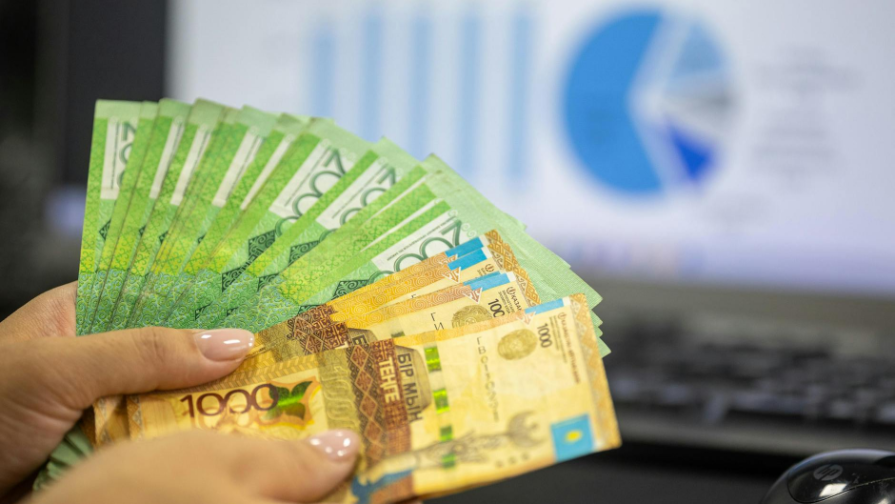
Kazakhstan's Debt Dilemma: Half the Population Lives on Credit
In a striking revelation about the nation's financial health، it has emerged that nearly half of Kazakhstan's adult population is currently living with active loans. This trend extends beyond simple financial market growth، pointing towards a concerning rise in household debt and potential reliance on borrowed funds to cover daily expenses.
Widespread Indebtedness
Data from the First Credit Bureau indicates that as of the latest reporting، 10،496،525 individuals in Kazakhstan possess active loans. With a total population of approximately 20.5 million، this means 51.2% of citizens، or more than one in two Kazakhs، are currently in debt، regardless of their income or social standing.
Economic Dependence on Debt
Experts caution against viewing this widespread borrowing solely as a sign of a developing financial sector or increased credit accessibility. Instead، they suggest it reflects the emergence of an economic model where borrowed money is increasingly substituting for personal income.
Inflation and Eroding Incomes
The situation is exacerbated by rising inflation and a decline in the population's purchasing power. The real wage index، adjusted for inflation، saw a 3.4% decrease in the fourth quarter of 2025 compared to the same period last year. This suggests that citizens' incomes are shrinking، leading them to use loans more for covering essential daily costs rather than for development or investment.
Economic Vulnerabilities
Despite reported economic growth rates of 5-6.5% annually in recent years، experts note that this has not significantly improved the well-being of the population. On the contrary، Kazakh citizens appear to be becoming more dependent on loans. In this context، it is crucial for the state not only to support economic growth but also to curb excessive lending to prevent debt from becoming a normalized societal condition.
Analysts at Halyk Finance have previously highlighted a disconnect between GDP growth and the income levels of the population، terming it "low-quality economic growth."
National Bank's Intervention Measures
In response to these growing concerns، the National Bank has announced measures aimed at reducing the public's debt burden. To mitigate risks، the National Bank and the Agency for Regulation and Development of the Financial Market (ARDFM) are planning to introduce stricter regulations for banks. This includes a more rigorous calculation of the debt-to-income ratio to assess a person's ability to repay loans.
Furthermore، banks are now mandated to meticulously verify borrowers' incomes before issuing loans. A ban has been placed on issuing new loans to individuals with overdue debts exceeding 90 days، and maximum interest rates on loans have been lowered.
Previously، Orda.kz reported that nearly half of Kazakhstan's economically active population had placed a ban on taking out loans in their name through the "Stop-credit" service، indicating a growing awareness and concern among citizens about their debt levels.
بۇل تۋرالى Infohub.kz اقپارات اگەنتتىگى حابارلايدى.

-
ەلىمىزدەگى ءار ەكىنشى ازاماتتىڭ نەسيەسى بار. بۇل تەك قارجى نارىعىنىڭ دامۋى ەمەس، حالىقتىڭ تابىسىنىڭ تومەندەپ، قارىزعا تاۋەلدىلىگىنىڭ ارتۋى مۇمكىن ەكەنىن كورسەتەدى.
-
بىۆشيي پوموششنيك گلاۆى مۆد سشا راسكرىل شوكيرۋيۋششيە دەتالي و نامەرەنياح دونالدا ترامپا ۆ وتنوشەنيي گراجدانسكوگو ناسەلەنيا.