

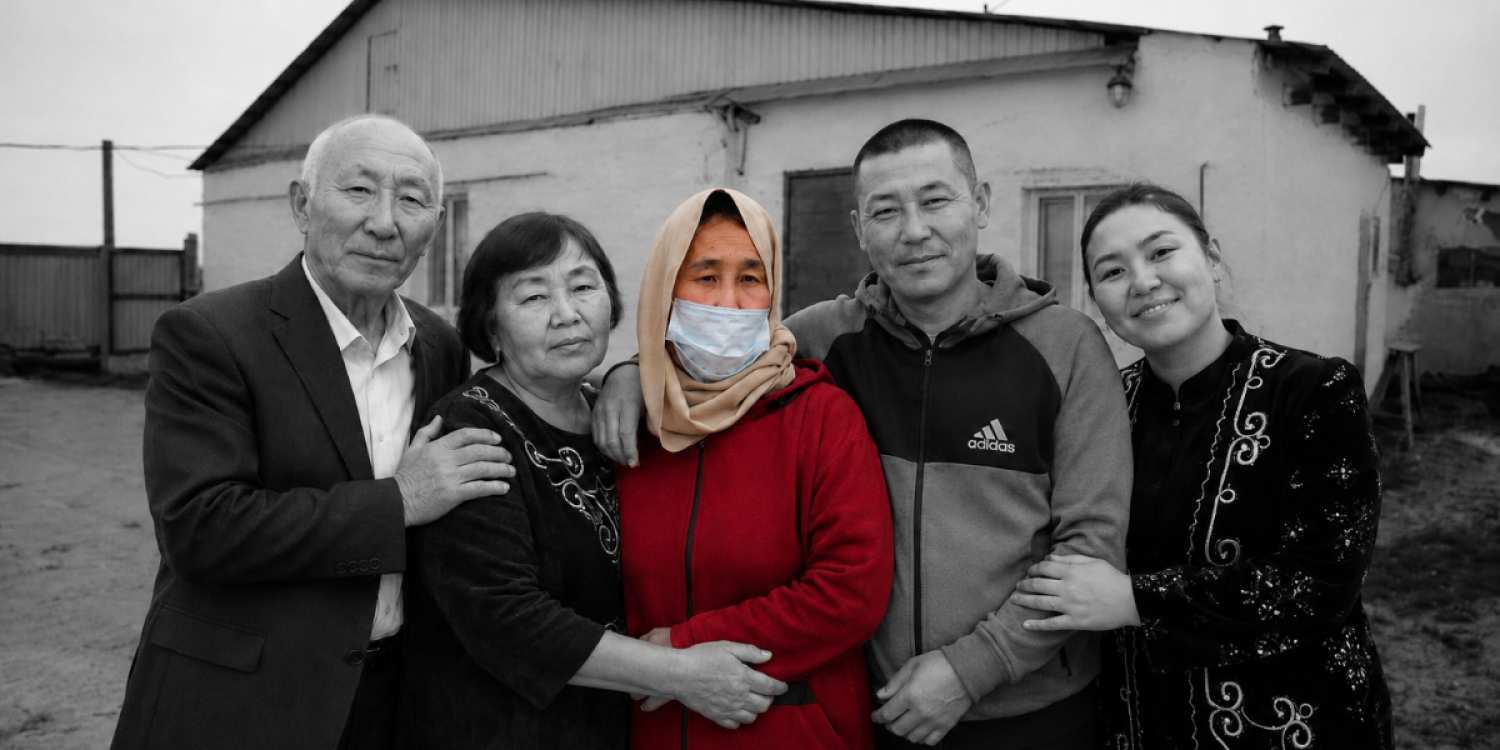
A resident of the Atyrau region، Sultan Sarsemaliyev، has been found guilty of murdering four people. During the sentencing، Judge Zarema Khamidullina explained in detail why the defendant's claims of self-defense and an affective state were not supported، according to infohub.kz.
The judge noted that Nauryz's body bore at least 10 stab wounds، and subsequent attempts to conceal the body ruled out self-defense. This indicated a deliberate crime.
Nauryz's body was found more than 10 months after death. Due to severe decomposition، experts could identify only 10 stab wounds on preserved skin، but the actual number may have been significantly higher.
Additionally، the fatal blows for all four victims were aimed at the heart. Wounds on the hands and wrists of Maksot، Nasip، and Meiramgul showed they had tried to defend themselves.
The court relied on a forensic psychological and psychiatric evaluation، which found Sarsemaliyev sane، free of mental disorders، and not in a state of physiological or pathological affect during the crimes. The judge emphasized that physiological affect is brief، while the defendant's actions were systematic and spanned several months.
According to the judge، Sarsemaliyev planned the crime in advance and acted deliberately؛ the motive was a conflict with his ex-wife's relatives.
'A Father Who Cares About His Children Would Not Leave Them Orphans'
Addressing the defendant، the judge said that if he had been a good husband and son-in-law، his wife's parents would not have tried to take her back.
'You intentionally killed Nauryz، and then killed the other family members out of fear that the first murder would be uncovered. You killed innocent people،' Judge Khamidullina stated.
She noted that during the trial، Sarsemaliyev could not explain what actions or words by the victims might have provoked such brutality.
The defendant claimed he committed the murders for the sake of his children، but the court found that argument unfounded.
'A father who truly cares about his children would never leave them without parents. He would not leave the mother of his children with a severe nervous disorder and destroy their future with his own hands،' the judge said.
The judge added that the children are now under state care، not with their parents. They need parental love and warmth، not toys and sweets.
She also reminded that the ex-wife's parents should have been as close to the defendant as his own parents.
'You personally took their lives، did not bury them properly، but threw them into a pit. Knowing Nauryz's body lay near the house، you continued living there carelessly. Then you killed Meiramgul، dug another pit، and buried her on top of Nauryz. Such actions cannot be justified from a human or moral standpoint،' the judge said.
She noted that during the trial، exhumation video footage clearly showed the degree of decomposition.
'What Did Nauryz and Meiramgul See in This Life؟'
The judge separately addressed testimony from Sarsemaliyev's mother and sister، who tried to portray the victims negatively and blame them for the events.
According to the judge، the victims can no longer defend themselves، and the evidence did not support any accusations against them. When the defendant's mother said، 'My son has seen no joy in life،' the judge asked: 'What did Nauryz and Meiramgul see in this life؟'
She noted that both victims had been disabled since childhood، and their lives ended tragically. They will never fulfill their dreams، start families، or have children.
The court also rejected the defendant's claim that he 'devoted his entire life to raising five children and caring for his sick wife.' The judge explained that caring for one's own children and spouse is not a heroic act or a mitigating circumstance، but a direct natural duty of any parent.
Concluding the sentencing، Judge Khamidullina emphasized that Sarsemaliyev's actions destroyed not just one life but an entire family، dealing a heavy blow to the victims' relatives and society as a whole.
'No matter how difficult family circumstances may be، patience، responsibility، mutual respect، and forgiveness help keep the home. Anger and malice never solve problems؛ they lead only to irreparable tragedy،' the judge concluded.