
Photo: Max Vakhtbovych (https://www.pexels.com/@artbovich) / Pexels
Almaty Residents Push Back Against Uniform Facade Overhauls
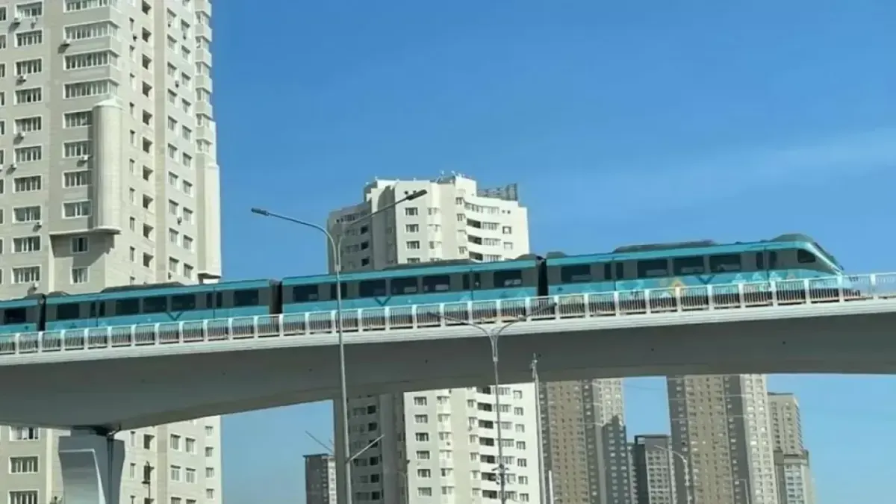
Almaty is currently undergoing a significant urban renewal initiative aimed at standardizing the appearance of its buildings. While the goal of creating a cohesive architectural look is commendable, the project has sparked considerable opposition among residents who feel their concerns about quality and process are being overlooked.
The Problem with Chaotic Exteriors
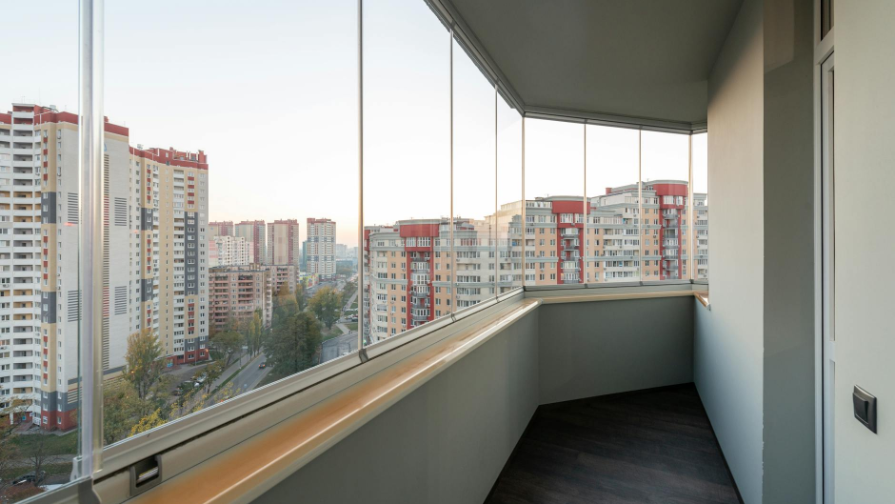
Many older residential buildings in Almaty have fallen into disrepair, with haphazardly enclosed balconies, mismatched renovations, and unauthorized additions like air conditioning units marring the cityscape. This visual clutter detracts not only from the city's appeal to tourists but also from the daily experience of its inhabitants.
A Push for Unified Design
In recent years, the city administration has intensified efforts to regulate building exteriors. This initiative culminated in specific decrees for 2024-2025, introducing a design code, new construction regulations, and a special program for facade renovations. The program aims to bring multi-apartment buildings into a unified architectural style, encompassing exterior walls, roofs, and even decorative lighting.
Resident Concerns Surface
The core of the residents' apprehension lies in the program's stipulation that the maintenance of renovated facades will be transferred to the property owners. While the city provides the aesthetic standardization, residents fear they will bear the long-term financial and practical responsibility for a project they had little say in.
Quality and Transparency Doubts
One building's residents recently rejected a facade renovation offer from the city, not due to opposition to repairs, but because of a lack of clarity regarding the technical specifications. Key questions about insulation, condensation prevention, and the quality of fastening materials remain unanswered. Residents are concerned that the proposed use of basic rebar and wires, instead of more durable stainless steel or aluminum systems, will lead to premature corrosion and structural issues.
Furthermore, residents who have invested in higher-quality double or triple-glazed windows and balcony enclosures are being asked to either remove them or cover them with cheaper, standardized solutions, leading to frustration.
Expert Opinions on the Facade Program
Construction engineer and architect Alikhan Baurzhanov acknowledges the validity of residents' concerns. He explains that while using rebar for fastening isn't always a violation, it's a less durable and practical solution compared to aluminum systems, especially considering the budget and technical specifications. He stresses the importance of proper insulation and ventilation systems to prevent condensation and ensure the facade functions effectively as a protective layer for the building.
Beyond Aesthetics: Urban Identity at Stake
Urban anthropologist Alesia Nugaeva views the facade issue as more than just a matter of repair or aesthetics; it's about urban identity. She argues that any changes to building exteriors impact how a neighborhood perceives itself and its history. Nugaeva points out that city planning often prioritizes standardization and tourist appeal over the social and cultural aspects of a community, leading to a disconnect between administrative goals and residents' lived experiences.
Nugaeva suggests that instead of top-down mandates, a more sustainable approach involves tactical urbanism and placemaking. This includes piloting solutions in small areas with the involvement of residents, local businesses, and educational institutions before scaling up. This collaborative method ensures that changes respect the complex layers of community, culture, and economics that define a city's unique character.
Bul týraly Infohub.kz aqparat agenttigi habarlaıdy.


-
An intoxicated man wielding an axe caused alarm in an Astana residential building. Police have detained the suspect and provided details on the incident.
-
S 13 aprelá kazahstansy smogýt oformıt ılı prodlıt razreshenıe na rabotý dlá ınostrannyh grajdan tolko cherez ınternet, chto ýprostıt proses.