
Photo: Mıhaıl Kramor (https://www.pexels.com/@vantik93) / Pexels
Kazakhstan Grapples with Rising School Bullying Amidst New Laws
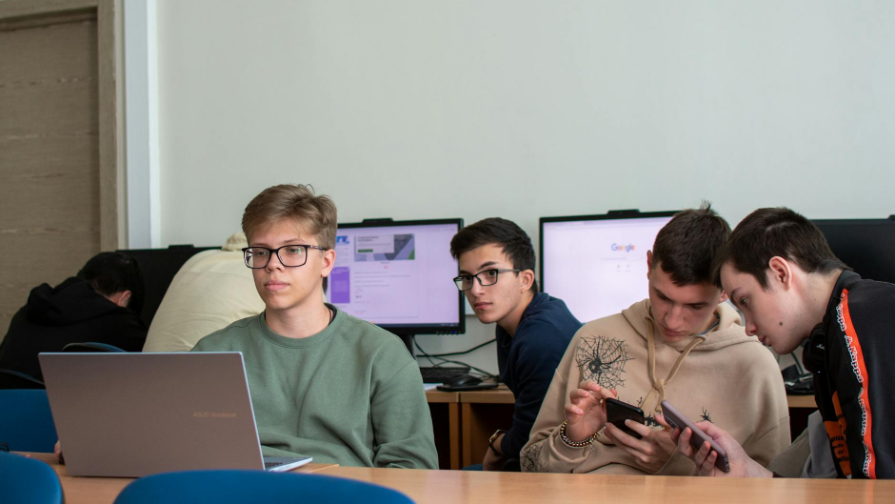
Kazakhstan's education system is facing a significant social challenge as a wave of school violence incidents, beginning in March 2026, has prompted a re-evaluation of safety and secularism within educational institutions. Widespread parental anxiety, teacher helplessness, and escalating online aggression paint a grim picture of the modern school environment. While new laws have been enacted, the deep-seated problem of 'child cruelty' continues to persist, demanding more effective solutions.
A Surge in School Conflicts
Recent weeks have seen a disturbing rise in bullying incidents across Kazakhstan. In mid-March, viral videos emerged showing large-scale fights among high school students in the southern regions. These incidents weren't just physical altercations; they included group harassment of a single child, filmed and mocked online. Early April brought news of a near-tragic cyberbullying case in an Astana school, where prolonged personal attacks and ridicule of a student's family values were finally halted.
Official data from the Ministry of Internal Affairs and the Ministry of Education indicates that the number of offenses among school-aged children in March 2026 did not significantly decrease compared to the previous year. Each incident leaves behind broken lives, traumatized children, and worried parents. Public outcry stems from the perceived lack of tangible results despite the announcement of stricter penalties.
Legal Framework vs. Practical Implementation
Kazakhstan recently introduced crucial amendments to its legislation aimed at protecting children's rights, formally defining bullying and strengthening administrative and criminal liability. However, these measures appear to be faltering in practice.
A primary weakness lies in staffing. Schools continue to struggle with an overwhelming student-to-psychologist ratio, far exceeding recommended norms. A single psychologist in a school of over 1,000 students cannot possibly monitor every child's well-being or prevent conflicts effectively. Furthermore, many psychologists lack the modern training needed to identify subtle forms of cyberbullying, often becoming bogged down in administrative tasks rather than engaging in crucial fieldwork.
Accountability also remains unclear. When bullying occurs, school administrations often prioritize damage control and attempt to conceal incidents. Simultaneously, parents may adopt a defensive stance, denying their child's involvement. This leaves the victim caught in the middle, unable to access state protection mechanisms. While laws exist, the practical application remains ambiguous for school principals and inspectors.
Cyberbullying: The Digital Frontline of Cruelty
Bullying has extended far beyond school grounds, with platforms like TikTok, Instagram, and Telegram becoming new arenas for aggression. Cyberbullying poses a unique threat, as it can harass a child 24/7, even within the perceived safety of their home. Monitoring digital abuse presents a significant challenge for law enforcement and educators alike.
Practices such as creating 'closed groups,' using stickers for harassment, and spreading misinformation can severely impact a child's mental health, potentially leading to suicidal thoughts. The Ministry of Education reports that over 12% of children experience online pressure, though the actual figure is likely higher. A key issue here is parental digital illiteracy; unaware of their child's online activities, parents often look for external threats while the problem resides within the smartphone in their child's hand.
Global Lessons: Finland and South Korea
Countries worldwide have implemented effective anti-bullying models. Finland's KiVa program, for instance, focuses not only on victims and aggressors but also on the entire class and witnesses. The Finnish model posits that remaining silent in the face of bullying is tantamount to complicity. By transforming the school atmosphere, they have reportedly reduced bullying rates by up to 80%.
South Korea employs a stricter approach with its 'School Violence Record' system. If a student is held accountable for bullying, this information becomes a permanent part of their record, potentially hindering their admission to prestigious universities or employment at major companies. This system instills a sense of responsibility for actions from an early age.
Kazakhstan could benefit from a synthesis of these models, balancing Finland's psychological support with South Korea's accountability framework. The primary goal should be fostering a healthier school environment, not solely relying on punishment.
Expert Insights and Solutions
Analysis of official statements from prominent lawyers and psychologists reveals a consensus: bullying is a societal ailment, not just a school problem. Experts emphasize that legal deterrence alone is insufficient. They argue that aggression often stems from violence within the family or online misconduct, making it a mistake to place sole responsibility on schools. Parental accountability needs to be reinforced at a constitutional level.
For new laws to be effective, Kazakhstan must first break the 'culture of silence.' An environment where children feel safe to report bullying at school or online is crucial. The role of school inspectors needs redefinition, shifting them from 'punishers' to 'protectors.'
The events of March-April 2026 serve as a stark warning. Anti-bullying laws are merely tools; true change lies in transforming public consciousness and relationships. If school-based cruelty is not addressed today, tomorrow's society will undoubtedly be harsher. Every parent, teacher, and public official shares responsibility for ensuring educational institutions are safe havens for learning. The solution to this persistent problem lies in transparency and genuine empathy.
Bul týraly Infohub.kz aqparat agenttigi habarlaıdy.


-
Tanymal jýrnalıs Aqbaıan Muqanǵalıevanyń jaǵdaıy men tergeý barysy týraly jańa aqparattardy bólisti.
-
Jenshına, stavshaıa svıdetelnıseı po delý o moshennıchestve, podverglas jestokomý napadenıý. Podozrevaemyı do sıh por ne naıden, a postradavshaıa jalýetsá na bezdeıstvıe polısıı.