
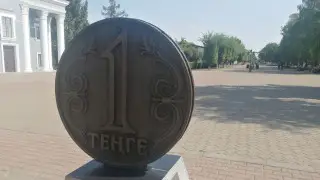
© Tengrinews.kz
Kazakhstan's Interest Rate: Who Benefits and What Are the Risks?
The debate surrounding Kazakhstan's base interest rate is heating up, with frequent calls for its reduction. However, an expert argues that this issue is far more complex than it appears, and a lower rate may not be a universal solution.
The Dual Nature of the Base Rate
Economist Ruslan Sultanov points out that lowering the base interest rate primarily benefits borrowers and credit-dependent companies. For the average citizen, this move could lead to increased inflation and a reduced purchasing power.
Currently, Kazakhstan faces high inflation, coupled with elevated public inflation expectations. The situation is further pressured by rising tariffs and fuel prices. While government programs support demand, the monetary policy aims to curb inflation, creating a conflict with fiscal policy that might inadvertently boost it.
Rate Alone Doesn't Build an Economy
Sultanov emphasizes that reducing the base rate at this juncture carries significant risks and should not be viewed as a universally beneficial decision. His core argument is that while the base rate influences the cost of money, it does not, in itself, build an economy.
Sustainable economic growth hinges not just on affordable loans, but also on predictable regulations, quality institutions, business confidence, and consistent government policy. If entrepreneurs lack faith in the stability of the economic environment, they are unlikely to invest, regardless of financing accessibility.
Structural Reforms Are Key
Therefore, Sultanov stresses that discussions about the interest rate should not overshadow more critical issues like structural reforms, industry development, competition, and reducing barriers for businesses. He suggests that proposals to lower the rate may sometimes be driven by specific interests that do not always align with the broader public good.
This perspective highlights the intricate balance policymakers must strike between stimulating economic activity and maintaining price stability for the benefit of all citizens.


-
Qazaqstan ekonomıkasyndaǵy basqarýshy stavkanyń róli men ony tómendetýdiń saldary týraly ekonomıs Rýslan Sultanovtyń pikiri.
-
Zemlá ploshadú 226 gektarov, ranee prınadlejavshaıa byvsheı rezıdensıı prezıdenta v Aktaý, vozvrashena gosýdarstvý, no ee dalneıshee ıspolzovanıe ostaetsá pod voprosom.