
depositphotos.com
Meteor Shower Peak: Expect Up to 23 Shooting Stars Per Hour Soon
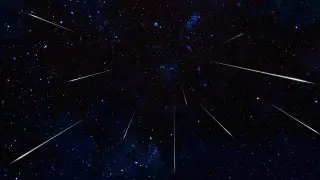
Stargazers are in for a treat as the Lyrid meteor shower reaches its peak, promising a dazzling celestial display. After a cloudy start to spring, the skies are clearing just in time for this annual event, which began on April 14th and will continue until April 30th.
Peak Viewing Conditions Expected
While the Lyrid shower has been active, experts predict exceptionally favorable viewing conditions in the coming days. This year, the moon phase is particularly advantageous, with a thin crescent moon setting early in the evening. This means minimal moonlight interference, allowing the meteors to shine brighter against the dark sky.
When to Watch for the Most Shooting Stars
The most intense activity is anticipated on the night of April 22nd to 23rd. While meteors may be visible from around 10:00 PM, the peak viewing hours are expected after midnight, closer to 1:00 AM. During this time, observers could witness up to 23 shooting stars per hour.
A Glimpse into Cosmic History
The Lyrid meteor shower is one of the oldest recorded celestial events, with observations dating back over 2,600 years. It originates from debris left behind by the Comet C/1861 G1 (Thatcher). As Earth passes through this stream of cosmic dust each April, these particles enter our atmosphere at high speeds, burning up and creating the streaks of light we call shooting stars.
Tips for the Best Viewing Experience
No special equipment is needed to enjoy the Lyrids; they are easily visible to the naked eye. The key is to find a location away from city lights, offering a wide, unobstructed view of the sky. Minimize exposure to artificial light, including phone screens and flashlights. Patience, a warm drink, and good company (or peaceful solitude) will enhance the experience of witnessing this ancient and beautiful phenomenon.
Bul týraly Infohub.kz aqparat agenttigi habarlaıdy.

-
Sáýirdiń sońyna deıin aspandaǵy erekshe qubylysty tamashalaýǵa bolady. Mamandar bul joly jaǵdaıdyń erekshe qolaıly bolatynyn aıtady.
-
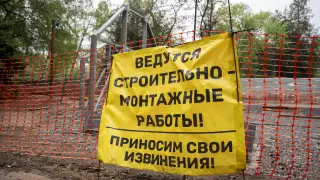
Almaty's Bauman Park is set to reopen soon after extensive renovations. Discover the upgrades and how past controversies have been addressed.