
tengrinews.kz
Afghanistan's Nowruz Ban: A Recurring Chapter in the Spring Festival's History
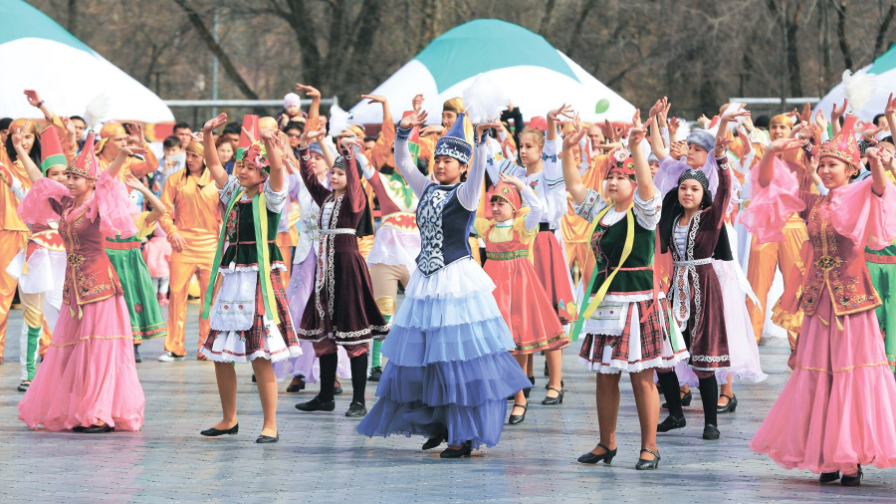
As Kazakhstan and other Central Asian nations celebrate Nowruz, the arrival of spring and renewal, Afghanistan finds itself in a period of quiet. The vernal equinox, traditionally a significant cultural event, has been removed from the official calendar, transforming a beloved holiday into an ordinary workday.
The Impact of Taliban Rule
Since the Taliban's return to power, Nowruz has lost its official status as a public holiday in Afghanistan. The date of March 21st has been removed from the list of national observances, leading to the cessation of public festivities, music, and outdoor gatherings associated with the celebration.
Despite these restrictions, many Afghans fondly recall Nowruz as one of the year's most cherished and colorful days. It was a time for family gatherings, picnics, preparing traditional dishes, wearing new clothes, and exchanging greetings.
Significance for Ethnic Groups
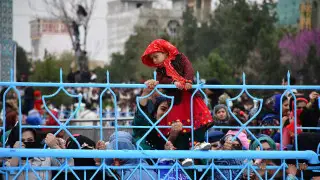
Nowruz held particular importance for the Tajik, Uzbek, and other ethnic communities within Afghanistan. Historically, the city of Mazar-i-Sharif was a major hub for celebrations, featuring the symbolic raising of a sacred banner and multi-day folk entertainment.
In the capital, Kabul, and other cities, traditions included family feasts, preparing special dried fruit dishes, and embracing the feeling of a new beginning.
The Current Situation
Even in areas where some elements of the celebration might persist, festivities are considerably subdued due to widespread restrictions and a severe economic downturn. According to United Nations data, approximately 75 percent of the population struggles with consistent self-sufficiency.
History Repeats Itself
This is not the first time Nowruz has faced a ban in Afghanistan. During the Taliban's previous rule in the late 1990s, it was also prohibited as an "un-Islamic" festival. Following the regime's collapse in 2001, the holiday quickly returned to public life and was widely celebrated once more.
Cultural Resilience
Afghan citizens believe that completely eradicating this festival is impossible, as it is deeply ingrained in the culture and collective memory of the people.
The material also notes similar historical instances in Central Asia, where Nowruz was banned during the Soviet era but eventually made a comeback.
Бұл туралы Infohub.kz ақпарат агенттігі хабарлайды.
-
Ауғанстанда талибтер билікке келгеннен кейін Наурыз ресми мереке мәртебесінен айырылып, елдің жария өмірінен жоғалды. Көктемнің басты мерекесінің тарихындағы тыйымдар мен оның қайта оралуы туралы.
-
Following a tragic car crash in Almaty that claimed three lives, relatives are calling for a transparent investigation and a public trial, sparking widespread public support.