
© Tengrinews.kz / Алимжан Аманжол_
Astana's Hidden History: Forgotten Cemeteries and Relocated Villages Beneath the City
Beneath the gleaming new developments of Kazakhstan's capital lie remnants of a forgotten past: ancient cemeteries and the history of villages forcibly relocated to make way for progress. Many residents are unaware of these historical sites, particularly on the left bank of Astana, where old Muslim cemeteries are preserved near modern residential complexes.
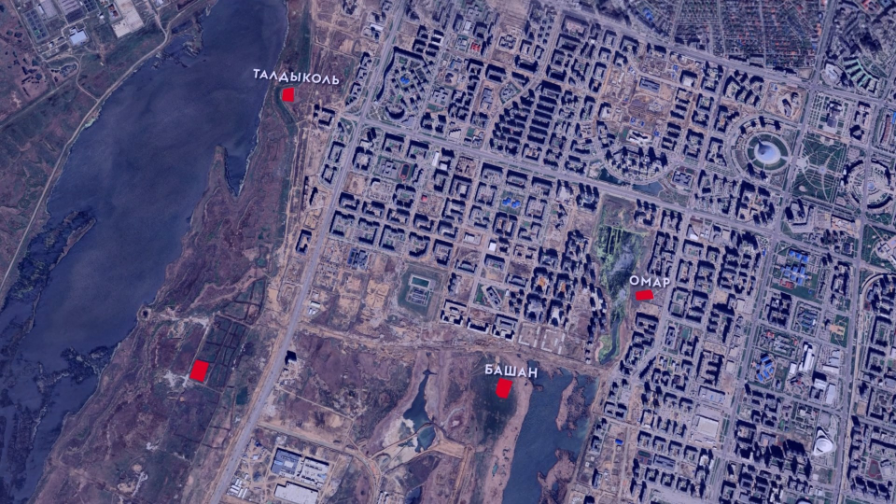
The Legacy of Taldykol Village
These cemeteries are intrinsically linked to the history of the village of Taldykol, which existed before the modern city. In 1964, the residents of Taldykol were compelled to relocate due to the construction of a sewage system. This event marked the end of a community that had thrived for generations.
Taldykol Necropolis: A Memory of a Displaced Community
According to architectural researcher Temirtas Yskakov, the Taldykol lake system area was once inhabited by Kazakhs from various tribes. Several burial sites from these ancient villages have survived to this day, including the 'Taldykol' cemetery. For a long time, this site remained unprotected, vulnerable to melting snow and floodwaters. However, the situation began to change as descendants of those buried there started to advocate for its preservation.
The history of these lands dates back at least to the 19th century. Villages engaged in agriculture, fishing, and kumis production flourished here. On April 3, 1964, Taldykol villagers were given a tight deadline – until April 15 – to move, as their homes were needed for the construction of a sewage collector. At that time, the village was home to approximately 300 people.
'Omar' and 'Bashan' Cemeteries: History Buried Under Construction
Another cemetery, 'Omar,' is now situated behind construction fences. While plans exist to develop the area into a landscaped park, it remains unclear how the cemetery will be integrated. This site has been known since the 19th century and was marked as an archaeological monument on early Soviet maps.
The 'Bashan' cemetery is also connected to the former Taldykol village and its tribal history. Unfortunately, it has become a dumping ground for construction debris and waste. In 2023, the apparatus of the Nur district administration took these cemeteries under its supervision, leading to their official status and fencing.
'Qarautkel' Cemetery: Astana's Oldest Necropolis
Located on the right bank of the capital, the 'Qarautkel' cemetery is one of the city's most significant historical necropolises, with burials dating back to the 17th century. Historical records suggest that prominent Muslim figures, merchants, residents of old Akmola, exiles, and even soldiers of Khan Kenesary are buried here.
Despite previous attempts to develop this site for construction or other city needs, local residents and researchers have consistently succeeded in protecting it. Astana is more than just new avenues and residential complexes; it is also a repository of memory that must be preserved to honor those who lived here centuries ago. While burials are no longer conducted at these sites, the history accumulated over centuries lies just beyond their protective fences.
Бұл туралы Infohub.kz ақпарат агенттігі хабарлайды.
-
Елорданың жаңа құрылыстарының астында қалып бара жатқан тарихи орындар мен көне зираттар туралы.
-
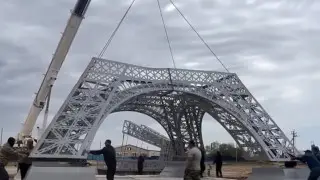
Выпускники подарили своему родному селу в Западно-Казахстанской области 30-метровую копию Эйфелевой башни, вызвав дискуссии среди жителей.