

Photo: Bia Limova (https://www.pexels.com/@bia-limova-1908542654) / Pexels
Kazakhstan Housing Market Splits: New Homes Surge, Old Homes Stabilize
Kazakhstan's real estate landscape is experiencing a notable divergence, with prices for newly constructed homes soaring while the cost of older properties is stabilizing closer to the inflation rate. This trend indicates a significant split within the nation's housing market.
Why New Homes Are Leading the Price Hike
In March 2026, the price per square meter for new buildings saw an annual increase of up to 16.6%. In contrast, the secondary housing market recorded a more modest growth of 11.0%, bringing it closer to the general inflation level. Experts attribute this disparity to several factors, including changes in market regulations, an increase in VAT, persistent double-digit inflation, and a lower baseline from the previous year.
Furthermore, analysts suggest that the increased withdrawal of funds from pension savings, which rose by 37% month-on-month, may have also contributed to the rapid price escalation in the new housing sector.
Future Market Outlook
Looking ahead, analysts predict a slowdown in the growth rate of housing demand in 2026 compared to the previous year. This is expected due to upcoming tax changes, stricter mortgage conditions, adjustments to minimum sufficiency thresholds in pension funds, and a cooling effect on the construction sector. The new Construction Code, set to take effect on July 1, will also impose stricter requirements on developers and enhance oversight within the sector.
These regulatory shifts could lead to a short-term increase in housing prices and a slight decrease in demand. However, in the long run, these measures are designed to bolster consumer protection and improve housing security. The higher base prices from the second half of 2025 may also act as a moderating factor on price growth. Consequently, new home prices are anticipated to grow at a rate aligned with inflation in the latter half of the year.
Regional Market Dynamics
In March 2026, price growth exceeding inflation was observed exclusively in the new housing segment across Kazakhstan. The price per square meter for new constructions increased by 1.0% monthly. This trend was particularly evident in cities like Astana (+2.2%), Aktobe (+1.4%), Pavlodar (+1.0%), Almaty (+0.4%), and Karaganda (+0.4%). Conversely, prices saw a decline in Aktau (−1.5%), Atyrau (−0.6%), and Korday (−0.4%). On an annual basis, new homes became 16.6% more expensive, with Astana (+20.7%) and Almaty (+20.2%) leading the increase.
Factors contributing to the rise in new home prices include the increase in VAT, stricter regulations for shared construction, and higher price limits for the '7-20-25' mortgage program. The shared construction reform, effective since January 1, also played a role.
Secondary Market and Rentals
The secondary housing market experienced a price decrease of 1.5% in March. Annually, this segment saw a 11.0% increase, matching the inflation rate. The highest annual growth was recorded in Almaty (+15.4%), Turkistan (+13.7%), and Pavlodar (+12.9%).
Rental prices also decreased by 1.0% in March. However, on an annual basis, rental costs rose by 11.7%, slightly outpacing inflation. The most significant increases were observed in Petropavlovsk (+47.4%) and Pavlodar (+35.2%).
Transaction Volume
Activity in the real estate market has shown signs of recovery. The number of purchase and sale transactions increased by 3.9% monthly and 2.7% annually, reaching 28,500. Apartments accounted for 79.1% of these transactions, with the remainder being individual houses. Almaty (22.6%), Astana (17.3%), and the Karaganda region (7.9%) led in terms of transaction volume.
Бұл туралы inbusiness.kz ақпарат агенттігі хабарлайды.
-
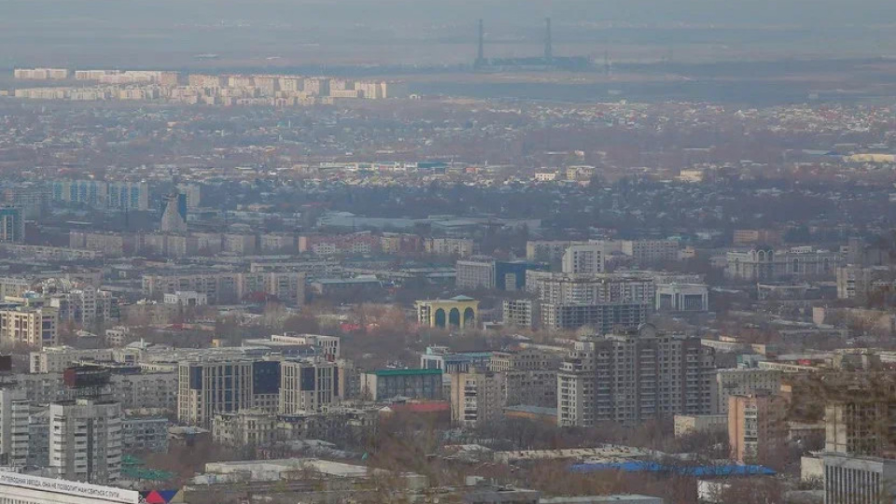
Еліміздегі тұрғын үй нарығындағы бағаның өсу қарқыны әр түрлі бағытта дамуда. Жаңа салынған үйлер қымбаттаса, ескі үйлердің бағасы инфляция деңгейіне жақындады.
-
Қазақстандық тарихшы Рахметолла Закарья Гарвард университетіндегі зерттеулері барысында Кеңес дәуіріндегі Қазақстанға қатысты бұрын-соңды жарияланбаған құнды деректерді тапты. Ол АҚШ-тағы жабық мұрағаттардан тапқан тың мәліметтер туралы айтып берді.