

Photo: energepic.com (https://www.pexels.com/@energepic-com-27411) / Pexels
Kazakhstan Ferroalloy Plant Secures Energy Deal Worth Billions
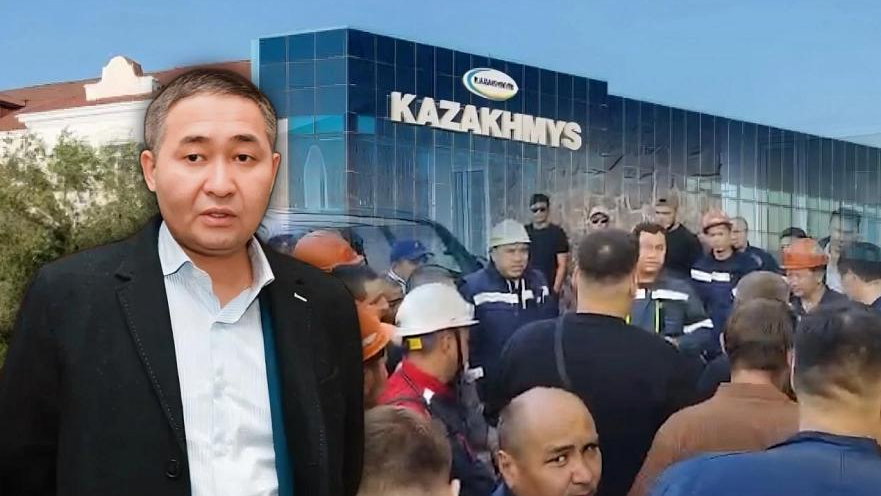
A significant energy deal has been struck in Kazakhstan، granting the EkibastuzFerroAlloys plant، associated with Yerlan Nigmatulin، access to electricity at a price three times lower than the current market rate. This preferential tariff is set to last for over six years، sparking discussions about competition and market dynamics within the country's energy sector.
Investment Tariff Explained
The special government resolution allows EkibastuzFerroAlloys to purchase electricity from the Ekibastuz GRES-1 power station for 76 months at a reduced cost. This measure is intended to lower the plant's production expenses. The decision was officially published in a list approved by government decree.
Plant Construction and Operation
Construction of the EkibastuzFerroAlloys ferroalloy plant began in 2021، with financial backing from the Development Bank of Kazakhstan (DBK). The project's total cost amounted to 92.2 billion tenge، with DBK providing a loan of 72 billion tenge. The plant، capable of producing 240،000 tons of ferrosilicon annually، commenced operations in the autumn of last year. Its strategic location near the Ekibastuz GRES-1 power station facilitates its energy supply.
Reasons and Implications of the Discount
Electricity constitutes a substantial portion of the costs in ferroalloy production. The involvement of a vice-minister formerly working in the Pavlodar region، where the plant is located، is noted as a potential factor in the project's support. Local prosecutors also reportedly assisted in the plant's launch.
However، this arrangement raises questions for other ferroalloy producers. For instance، the YDD Corporation plant in Karaganda reportedly reduced its electricity consumption in 2025، potentially indicating lower production levels. Additionally، the United States has imposed a 16.82% tariff on Kazakhstani ferrosilicon، affecting companies like YDD Corporation.
The State of the Electricity Market
Kazakhstan currently operates under a single-buyer model for electricity. In this system، power is procured at various prices and then sold to large consumers at an average rate. Projections for 2026 indicate an average wholesale price of 32.86 tenge per kWh (excluding VAT). The EkibastuzFerroAlloys plant's discounted rate is significantly lower than this projected average.
This situation warrants the attention of the Agency for Protection and Development of Competition. Major industrial groups such as ERG، KazZinc، and Qarmet already possess their own sources of cheaper energy. Their participation in the single-buyer system during energy shortages could potentially inflate the average price. Furthermore، concessions provided to regional electricity companies serving the public also impact the average price.
If all discounts and special provisions were removed، the average price from the single buyer could potentially decrease by several tenge.
In related news، Chevron Direct Investment Fund recently announced its intention to invest in a project by Sergey Kan to establish a ferroalloy production plant in the Pavlodar region.
بۇل تۋرالى Infohub.kz اقپارات اگەنتتىگى حابارلايدى.


-
ەرلان نيگماتۋلينگە تيەسىلى EkibastuzFerroAlloys فەرروقورىتپا زاۋىتى نارىقتاعى باعادان ءۇش ەسە ارزان ەلەكتر ەنەرگياسىن الاتىن بولدى. بۇل شەشىم باسەكەلەستىككە قاتىستى سۇراقتار تۋدىرادى.
-
ۋكراينا زاينتەرەسوۆانا ۆ سوترۋدنيچەستۆە س كازاحستانوم پو ۆوسستانوۆلەنيۋ ي سترويتەلستۆۋ نەفتەپەرەراباتىۆايۋششيح زاۆودوۆ، ا تاكجە ۆ ەكسپورتە كازاحستانسكوي نەفتي چەرەز التەرناتيۆنىە مارشرۋتى.