
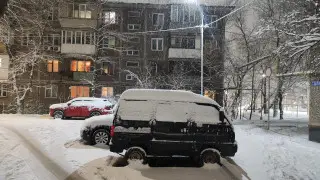
©️ Tengrinews.kz / يگور نيەۆولين
Kazakhstan: Unapproved Housing Maintenance Tariffs Leave Residents Questioning Payments
A significant issue has emerged in Kazakhstan concerning the legality of minimum tariffs for housing management and maintenance. In numerous regions، the tariffs for 2026 have yet to be officially approved، leaving residents in a state of uncertainty regarding their obligations.
According to Sergey Lyashenko، an expert in the housing and communal services sector، if a tariff is not officially established، residents may lack a legal basis to pay it. This situation raises concerns about the financial responsibilities of homeowners and the transparency of the system.
The Root of the Problem
The establishment of minimum tariffs is a local-level responsibility، handled by cities and districts of republican and regional significance. Expert Sergey Lyashenko، who also chairs an association of owners of individual housing (OSI)، explained that the housing inspection is tasked with calculating the tariff، while the maslikhat (local representative body) is responsible for its approval.
This minimum tariff represents a mandatory monthly contribution from residents intended for the upkeep of their buildings. It is typically itemized on utility bills as RSZh (housing maintenance costs). This tariff applies by default unless residents collectively vote for a different management body or set a higher amount during a general meeting.
The current tariff system and its calculation methodology were introduced in 2020. In recent years، these tariffs have been linked to the monthly calculated index (MCI)، aiming for an automatic annual increase aligned with the MCI.
What Happens When Tariffs Aren't Approved؟
An analysis by Lyashenko revealed that only a few cities have approved the new tariffs for 2026. These include Kokshetau (72.23 tenge per square meter)، Ridder (60.55 tenge)، Balkhash (72.47 tenge)، and Shakhtinsk (39 tenge).
Lyashenko posed critical questions: "If the minimum tariff for 2026 is not approved، do residents of buildings receiving services under RSZh have the right to refuse payment؟ On what grounds should they pay؟ It turns out there are no legal grounds. And if they have already paid، is there an opportunity to sue and get the money back؟"
Attempts to obtain a response from the Committee for Construction and Housing and Communal Services of the Ministry of Industry and Construction of the Republic of Kazakhstan regarding these issues were unsuccessful.
The Situation in Astana
Sergey Lyashenko cited a past incident in Astana as an example. The Astana maslikhat approved the tariff for 2023 only in December 2023. By the time this decision legally took effect، 2024 had already begun، rendering the tariff invalid for that year. Consequently، the maslikhat was compelled to re-approve it in March 2024.
Can Residents Refuse Payment؟
According to lawyer Tatyana Zyryanova، minimum tariffs under RSZh are valid for only one year. She advises homeowners to protect their interests by approving the budget and RSZh tariff through a general meeting. However، even this approach has nuances.
If residents do not approve their own tariffs or decide to pay less، and the management company incurs expenses for building maintenance، residents who refuse to pay or pay less may lose in court. This is because courts will recover actual expenses rather than just the tariff amount.
Who is to Blame؟
Journalists contacted the Almaty city maslikhat to understand why the minimum RSZh standards for 2026 have not yet been approved. The maslikhat's press service stated that the materials containing the calculations have not yet been submitted.
Experts believe this situation negatively impacts housing and communal services reform. There is a call for the full implementation of the norm to automatically link tariffs to the MCI.
بۇل تۋرالى Infohub.kz اقپارات اگەنتتىگى حابارلايدى.
-
ەلىمىزدە تۇرعىن ءۇيدى باسقارۋ جانە كۇتىپ ۇستاۋعا ارنالعان مينيمالدى تاريفتەردىڭ زاڭدىلىعىنا قاتىستى سۇراق تۋىندادى. كوپتەگەن ايماقتاردا 2026 جىلعا ارنالعان تاريفتەر ءالى بەكىتىلمەگەن.
-
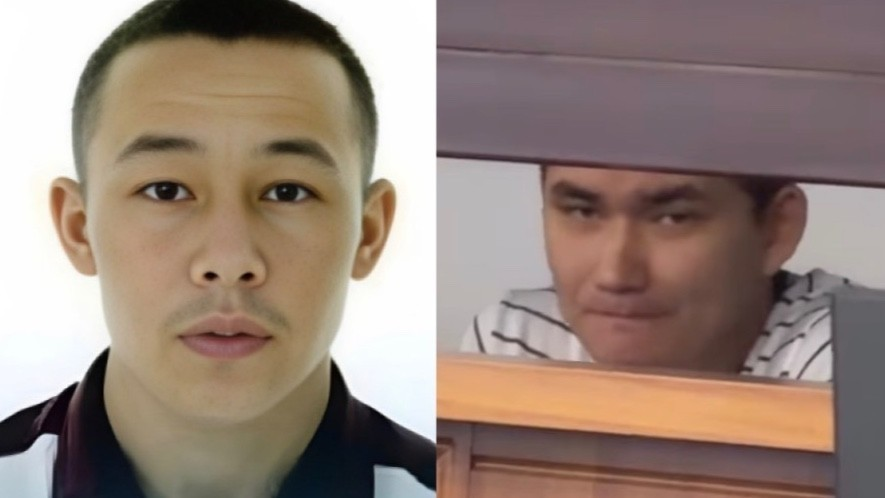
A 20-year-old university student vanished from his dormitory nine months ago، and the search for him is ongoing.