
Photo: Anna Shvets (https://www.pexels.com/@shvetsa) / Pexels
Astana Resident Alarmed by Unsolicited Doctor Appointments on Damumed App
An Astana resident has voiced her concern after discovering multiple doctor's appointments booked on the "Damumed" mobile application without her explicit consent. The situation left the woman unsettled, as she had no intention of visiting an oncology center or a general practitioner.
Post-Screening Appointments
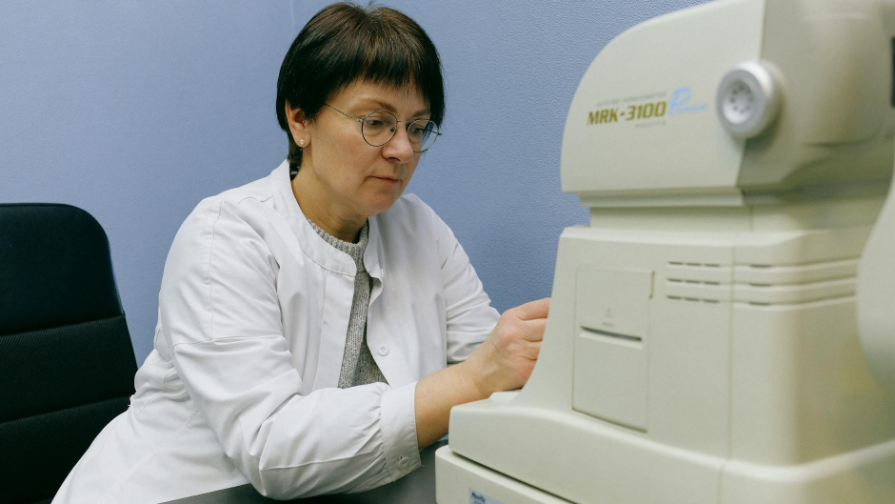
The woman underwent several screenings at an Astana clinic, including tests for breast cancer. She was informed that she would be contacted if any issues were detected. However, she received no follow-up from the clinic. Instead, she later found appointment records for doctors appearing in her "Damumed" app.
Initially, she received notifications for several appointments with a general practitioner. Subsequently, a referral to an oncology center appeared, which particularly alarmed her, as she had already undergone a mammogram and was unaware of its results.
Doctor's Explanation
Assel Khasenova, head of the primary healthcare center at the National Scientific Center for Healthcare Development, explained the process. If a preventive screening reveals no abnormalities, the visit is registered as a medical consultation, and the screening is considered complete. This procedure is designed to reduce patient burden and avoid unnecessary clinic visits if all results are normal.
Khasenova noted that notifications about completed appointments might appear in the system as a technical closure of the screening stages. Due to the woman undergoing multiple types of examinations, separate entries were likely generated for each, creating the impression of numerous bookings. These notifications also serve to keep the patient informed at each stage of service delivery, with up to three notifications possible per screening.
Mammography and "Second Reading"
Regarding the mammogram, Khasenova highlighted that this examination, aimed at early cancer detection, always involves two specialists. This is known in medicine as a "second reading." All radiological studies, including fluorography, are reviewed by two professionals to minimize the "human factor." The initial report is provided by the clinic's radiologist, and the second opinion comes from an expert at the oncology center. A referral is generated for this purpose, not to send the patient away, but to have her images and results independently assessed.
She added that all information, including referrals for "second readings" and analysis results, is stored in the medical database. Even if notifications are missed in the app, all data remains in the system. Patients can request their medical records at the clinic to review their complete examination history.
When Issues Are Detected
If any deviations are found during a screening, the patient is invited for a second stage. In such cases, they not only receive a system notification but are also called to the clinic. A doctor will then explain the individual examination results and recommend further monitoring or treatment.
In the case of the Astana resident, the issue may have stemmed from insufficient communication between medical staff and the patient. The nurse should have ensured the woman fully understood the process. Clinic staff are also obligated to inform patients in advance about waiting times, specify if they will be sent for tests first, and clarify when results will be available.

-
Astana turǵyny "Damumed" qosymshasynda ózi qatyspaı-aq dárigerge jazylyp ketkeni týraly habarlady. Bul jaǵdaı qala turǵyndaryn alańdatty.
-
A key highway section in the Ulytau region is set to open this year, significantly boosting regional connectivity and trade.