
Ýkraınskıı ınstıtýt nasıonalnoı památı
Chernobyl Disaster: How the 1986 Catastrophe Weakened the Soviet Union
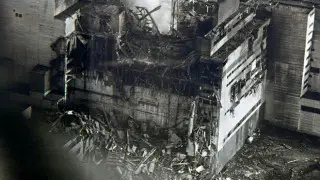
The Chernobyl disaster, which occurred on April 26, 1986, stands as one of the most severe man-made catastrophes in the history of nuclear energy. This event significantly weakened the Soviet Union's economy and became a contributing factor to its eventual dissolution.
Economic Strain and Recovery Efforts
The Soviet Union mobilized extraordinary efforts and resources to contain and mitigate the aftermath of the Chernobyl disaster. While showcasing the Soviet system's capacity to gather resources, the cleanup placed a substantial burden on an already struggling economy. At the time, the USSR faced economic difficulties, compounded by the heavy costs of its military-industrial complex and international commitments.
Deepening Economic Crisis
The billions of rubles required for disaster recovery added immense pressure to the national budget. This led to increased money supply and fueled inflation. Within the planned economy, this inflation manifested as widespread shortages of goods. Compounding these issues, a sharp decline in oil prices starting in 1986 reduced export revenues, further limiting the ability to import essential food and consumer goods and weakening the economy.
Damage to Government Image
During the era of glasnost (openness), information about the Chernobyl disaster spread widely, overwhelming the Soviet bureaucracy's ability to control the narrative. Reports of hundreds of thousands of people working in the affected zone, and the subsequent deaths of some from radiation sickness, intensified a wave of negative sentiment across the country. This significantly damaged the credibility and image of the authorities.
Chernobyl's Role in the USSR's Downfall
While not the sole cause, the Chernobyl disaster was a critical factor that weakened the Soviet Union. By the 1980s, the Soviet economy was already in a precarious state. Despite its capacity to produce industrial goods, including military hardware, the system had lost the trust of its people. Citizens grew increasingly resistant to policies that demanded limitations on consumption. The Chernobyl disaster added to the list of factors that led to the system's weakening and eventual collapse.
Technological Advancements and Human Heroism
The response to the Chernobyl disaster spurred innovative solutions in Soviet engineering. For instance, modern nuclear power plants now incorporate fully enclosed containment structures designed to withstand explosions and prevent the release of radioactive materials. The heroism of the hundreds of thousands who participated in the cleanup efforts is particularly noteworthy. Among them were approximately 30,000 to 32,000 specialists from Kazakhstan.
This information was reported by the Infohub.kz news agency.


-
1986 jylǵy Chernobyl AES-indegi apat Keńes Odaǵynyń ekonomıkasy men ımıjine qalaı áser etti?
-
Spasatelı nashlı pojılogo mýjchıný, kotoryı otpravılsá na poıskı loshadı ı poterál orıentasıý v Akmolınskoı oblastı.