
tengrinews.kz
Almaty to extend metro: direct airport link and new Alatau branch unveiled
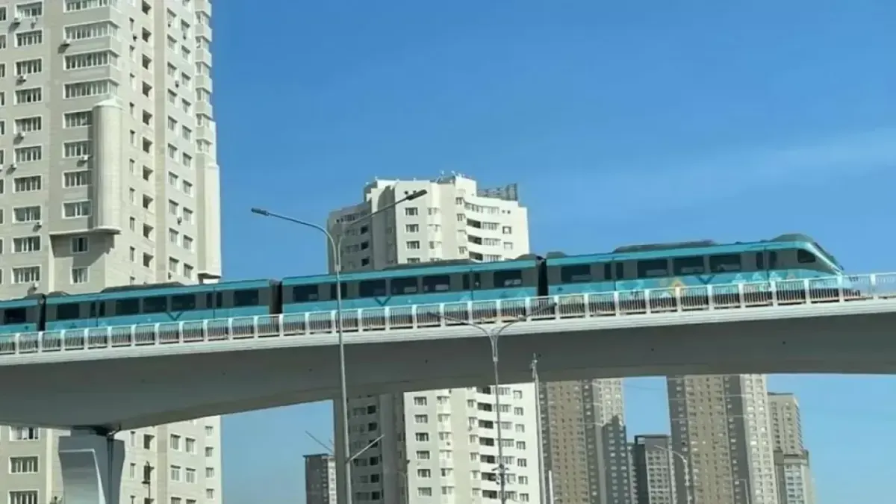
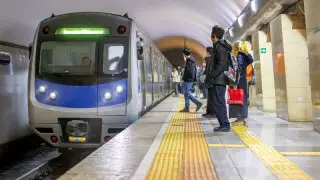
Almaty has outlined its most ambitious metro expansion to date، mapping extensions to the Red Line، a direct Blue Line connection to the international airport، and a new Green Line toward the future Alatau city—moves aimed at easing congestion، linking major transport hubs and strengthening seismic resilience.
This was reported by the Infohub.kz news agency.
Red Line: set to reach 29.2 km and 20 stations
The existing Red Line spans 14.3 km across 11 stations from Baurzhan Momyshuly to Raiymbek Batyr. Construction is advancing in phases، including a 1.9 km segment from Baurzhan Momyshuly to Kalkaman already underway.
The next stages include three stations toward the Barlyk market (about 5.3 km)، and five stations north from Raiymbek Batyr to Almaty-1 station (about 7.7 km). Once these sections open، the Red Line’s total length is expected to reach 29.2 km with 20 stations.
Askat Saduov، Director General of the Almatygenplan Research Institute، noted that any continuation beyond Almaty-1 appears economically unjustified because it would duplicate the nearby Northern Ring corridor. He added that extension beyond the Barlyk market toward Kaskelen would require regional coordination.
Blue Line to airport: 14 km، 8 stations in first stage
The long-term Blue Line is planned at 76.6 km with 42 stations، making it the network’s largest project. The first priority segment will connect the Zhibek Zholy area to Almaty International Airport across 14 km with eight stations.
According to Saduov، the feasibility study for this airport section has been completed. The city is now working with the airport operator to finalize station siting and assess any impact on aviation equipment.
Green Line to Alatau: 28 km، 17 stations
The Green Line will link the northern transport node with the city center. The 28 km route، with 17 stations planned، would start near the Kazakhfilm area، pass through Sairan and continue north toward the planned Alatau city، with two stations within the Alatau area.
Saduov said the goal is to knit together key interchanges and shift passengers from long، road-clogging bus routes onto faster، higher-capacity rail.
Delivery model and tunneling capacity
A shortage of tunnel-boring equipment is the main delivery risk. To keep schedules on track، Saduov proposed delivering large packages under an EPC (engineering–procurement–construction) model، targeting around five years per segment. He cited Moscow and Chinese practice، where strong equipment fleets have enabled rapid build-out.
As of January 6، 2026، there are no finalized agreements with foreign contractors؛ procurement decisions are expected after feasibility documents are approved.
Land impact: stations under roads، market-rate payouts
Planners aim to avoid private land seizures wherever possible by placing stations beneath existing roadways. Most land acquisition would involve station entrances only، with compensation at market rates and any disputes settled in court.
Why it matters: safety، economy، smoother commutes
Beyond saving time، underground infrastructure can offer added protection during seismic events. Station areas typically catalyze retail and services، while hubs such as Almaty-1 can absorb peak passenger surges as trains arrive، reducing pressure on surface traffic and cutting congestion.
Public review and next steps
Proposed amendments to the 2030–2040 master plan—covering metro extensions as well as new LRT and BRT corridors—were presented for public consultation from December 24 to 26. The next step is approval of the feasibility documents and confirmation of construction sequencing.

-
الماتى مەترو جەلىلەرى ۇلعايادى: ءبىرىنشى جەلى ۇزارادى، اۋەجايعا دەيىنگى 14 كم-لىك ۋچاسكەنىڭ تەن-ى دايىن، ءۇشىنشى تارماق الاتاۋمەن بايلانىستىرىپ، كەپتەلىستى ازايتۋعا باعىتتالدى.
-
ۆ Threads پوياۆيليس ي بىلي ۋدالەنى وبۆينەنيا ۆ ادرەس ەركەشا حاسەنا؛ زۆۋچات يمەنا ي داتى، نو پودتۆەرجدەنيي ي وفيسيالنىح كوممەنتارييەۆ وت حاسەنا ي جانەل سەرگازين پوكا نەت.