
f.azh.kz
Kazakhstan Adjusts Speed Camera Rules: New Tolerance Introduced
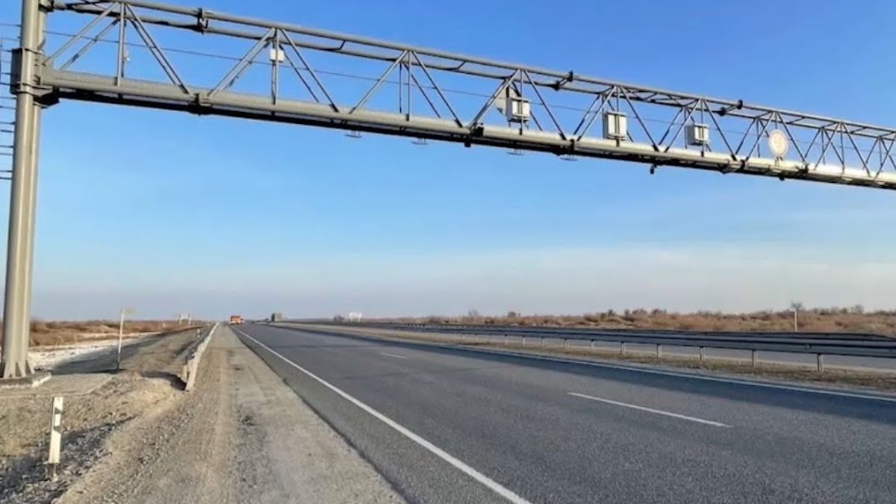
Kazakhstan is set to implement new regulations for traffic cameras and speed detection devices، officially legalizing a margin of error for their readings. This significant change، detailed in a joint order by the Ministry of Internal Affairs and the Ministry of Trade، will come into effect on May 8، 2026.
New Speed Tolerance Levels
Under the updated rules، both stationary and mobile devices used to measure vehicle speeds will have a defined tolerance. For speeds ranging from 20 to 250 kilometers per hour، the permitted deviation will be ±2 km/h. This means drivers will have a slightly larger buffer before being penalized for minor speed infractions.
The tolerance for average speed calculations، typically measured by stationary cameras، has also been set at ±2 km/h. This adjustment aims to standardize the accuracy of speed enforcement across different types of equipment.
Broader Changes for Traffic Violations
Beyond speed detection، the new regulations also address other types of violations. For stationary devices that record offenses like illegal parking، running red lights، or ignoring road signs، the distance for identifying license plates has been set between 10 and 100 meters، with a permissible deviation of ±1 meter.
Accurate location data is also becoming mandatory. The coordinates of where a violation occurred must be determined with a tolerance of ±10 meters. For violations related to road signs، the measurement range between a vehicle's dimensions and the sign itself will be between 0 and 5 meters، with a ±0.5 meter tolerance.
The timing of recorded violations will also be subject to a tolerance of ±2 seconds. For mobile devices، the accuracy in identifying license plates will have a permissible deviation of ±1%.
Technical Standards for Vehicle Inspections
The new rules also extend to the accuracy of devices used during technical inspections of vehicles. For instance، the permitted deviation when measuring the overall play in steering systems is set at ±1 degree. Similarly، the tolerance for checking the light transmittance of windshields will be ±2%.
Previously، discrepancies in equipment readings often led to difficulties in legal proceedings، as these tolerances were not consistently defined. The introduction of these new، standardized rules is expected to bring greater clarity and fairness to traffic law enforcement in Kazakhstan.
بۇل تۋرالى Infohub.kz اقپارات اگەنتتىگى حابارلايدى.


-
ەندى قازاقستانداعى جول كامەرالارى مەن جىلدامدىقتى انىقتايتىن قۇرىلعىلاردىڭ كورسەتكىشتەرىندە 2 كم/ساع دەيىن اۋىتقۋعا رۇقسات ەتىلەدى. بۇل وزگەرىستەر 2026 جىلدىڭ 8 مامىرىنان باستاپ كۇشىنە ەنەدى.
-
ميد كازاحستانا وفيسيالنو وبراتيلسيا ك نەمەسكيم ۆلاستيام پو پوۆودۋ زادەرجانيا سۆوەگو گراجدانينا، پودوزريەۆاەموگو ۆ شپيوناجە ۆ پولزۋ روسسيي.