
static.tengrinews.kz
Kazakhstan's Tiny Apartment Boom: Why Developers Are Embracing Micro-Living
In Kazakhstan's real estate market، a significant trend is emerging: the rise of ultra-small apartments. These compact living spaces، often just 15-20 square meters، are redefining urban housing، prompting a closer look at their appeal and legality.
Global Trend، Local Adaptation
The concept of micro-apartments isn't new globally. Experts point to extreme examples like a 2.5-square-meter apartment in Krakow، Poland، or 5.5-square-meter units in London. In New York and Paris، similar compact living solutions have emerged، often in former industrial spaces or rooms designed for staff.
These tiny homes، while not for everyone، have carved out a niche، particularly for short-term stays or specific demographics. In Kazakhstan، this trend gained traction around 2018، mirroring a similar movement in Moscow where soaring property prices spurred demand for affordable، centrally located studios.
From Dorms to Studios: A Historical Perspective
Interestingly، the idea of small living spaces isn't entirely foreign to Kazakhstani residents. In the 1960s، Soviet-era dormitories، known as "malo-semeyka،" offered living rooms starting at nine square meters and kitchens around five square meters. While this segment faded from design practice، its legacy is visible today.
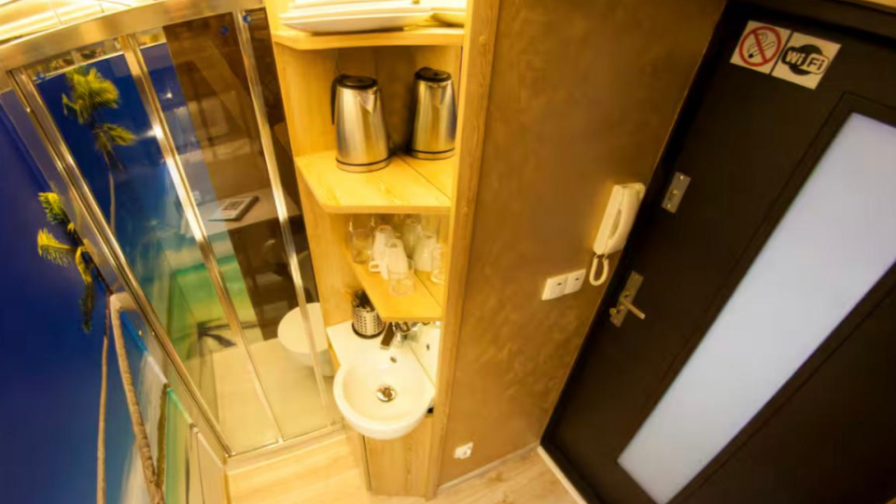
Many early micro-apartments in Kazakhstan emerged from the conversion of former dormitory rooms. These spaces، typically around nine square meters، were privatized and renovated to include private bathrooms، creating functional، albeit small، apartments. These units، often sold for cash as they don't qualify for mortgages، can range from 6 to 25 million tenge depending on location and size.
The Rise of Modern Micro-Units
The current wave of modern micro-apartments began appearing in Astana and Almaty around the mid-2010s، typically as 25-30 square meter studio apartments. A studio apartment is characterized by an open floor plan، combining living، sleeping، and kitchen areas، with only the bathroom being a separate room.
By 2018، the construction of these units surged. Developers began dedicating entire floors، even basements، to apartments ranging from 13 to 20 square meters. Initially priced significantly lower than traditional one-bedroom apartments، these units saw high demand. For instance، in 2018، such apartments in Almaty were selling for around eight million tenge، comparable to dormitory prices but half the cost of a standard apartment.
Market Drivers: Affordability and Investment
The proliferation of small apartments is largely driven by market economics and buyer demand. The total price of a micro-apartment is lower than a standard one-bedroom unit، making it more accessible. This affordability is crucial، especially considering mortgage program parameters.
Programs like "7-20-25" and "Otbasy Bank" set loan limits that developers align with. By optimizing unit sizes، developers can offer properties within these financial frameworks. A 30-square-meter studio in an Almaty economy-class complex might cost between 18-26 million tenge in 2025، representing a bank's approved loan limit for an average-income family.
Consequently، Kazakhstani buyers acquire these small apartments as a first home or as investments for rental income. Data from 2023-2025 indicates that studios between 18-28 square meters constitute 25-40% of offerings in economy and comfort-class projects in Almaty.
Current Offerings and Regulatory Landscape
Today، apartments ranging from 15-20 square meters are available in Astana، with prices starting from 7 million tenge in older buildings and 12-15 million tenge in new high-rises. In Almaty، 10-square-meter units start at 9 million tenge، going up to 23.5 million tenge for 20 square meters.
While regulations permit small apartments، certain standards must be met. The Building Codes of the Republic of Kazakhstan (SP RK 3.02-101-2012) specify minimum ceiling heights (2.5 meters)، kitchen areas (5 sq. meters)، and total living space (12 sq. meters). However، the law "On Housing Relations" mandates a minimum of 18 square meters of usable area per person. This creates a potential gray area for studios under 22 square meters where the kitchen area is integrated into the living space، requiring individual assessment for compliance.
Basements، Attics، and Legalities
Concerns arise regarding units in basement، technical، or attic floors. While some listings offer these spaces at lower prices، regulations generally prohibit residential use in basements and technical floors. Attic (mansard) floors can be considered residential if specific requirements for ceiling height، lighting، and evacuation are met.
Other variations include subdivided apartments (large units divided into smaller ones) and hotel-style apartments designed for rental income. It's crucial to note that these، along with commercial spaces، do not fall under residential housing stock، impacting registration and utility tariffs.
Future Outlook
Experts believe the micro-apartment segment is established، with its own pricing and buyer base، competing with rental options rather than larger apartments. In Almaty، the price per square meter for 18-25 square meter studios in new buildings is 15-30% higher than the average، reflecting a premium for ownership and quick rental yields (9-10% annually).
However، regulatory changes loom. The new Code on Architectural، Urban Planning، and Construction Activities، effective from July 2026، will tighten requirements for project expertise and land use. Amendments to the law on shared construction will also likely impact smaller developers.
If mortgage programs become more accessible and real incomes rise significantly، the segment might shrink as people opt for larger spaces. Yet، in the medium term، the trend is expected to continue due to current economic conditions، including high commercial mortgage rates. Developers and consumers are incentivized to focus on smaller units.
Looking ahead، the emergence of buildings exclusively composed of micro-apartments is possible، but this may necessitate revising current construction norms، such as parking requirements for smaller units. Experts also suggest formally defining "micro-apartments" in housing legislation to address the current ambiguity surrounding these popular، yet legally nuanced، dwellings.
بۇل تۋرالى Infohub.kz اقپارات اگەنتتىگى حابارلايدى.

-
Sandstorms have unearthed human remains at an old cemetery in Atyrau region، Kazakhstan، leading to distress and calls for action from local residents.
-
ۋزنايتە و ۆوزموجنوستي دوسروچنوگو ۆىحودا نا پەنسيۋ ۆ كازاحستانە س پوموششيۋ پەنسيوننوگو اننۋيتەتا ي كاك ەتو رابوتاەت.