
Photo: Bia Limova (https://www.pexels.com/@bia-limova-1908542654) / Pexels
Russia's Looming Currency Overhaul: Public Mistrust Fuels Cash Demand
Russia is on the cusp of a major monetary reform، the first of its kind since the 1990s، set to begin on September 1st. This significant financial overhaul is being driven by a noticeable decline in public confidence in the country's banking system and a corresponding surge in the demand for physical cash.
Eroding Trust in the Banking System
Confidence in Russia's financial institutions has historically been fragile. Recent concerns about potential government freezes or confiscations of bank deposits have intensified، leading many Russians to reconsider keeping their money in banks. According to Natalia Milchakova، an expert at Freedom Finance Global، fewer than half of Russians، approximately 48%، currently hold their savings in banks. Given that household bank deposits are a primary source of funding for the Russian economy، this trend poses a systemic risk.
The Rise of Physical Cash
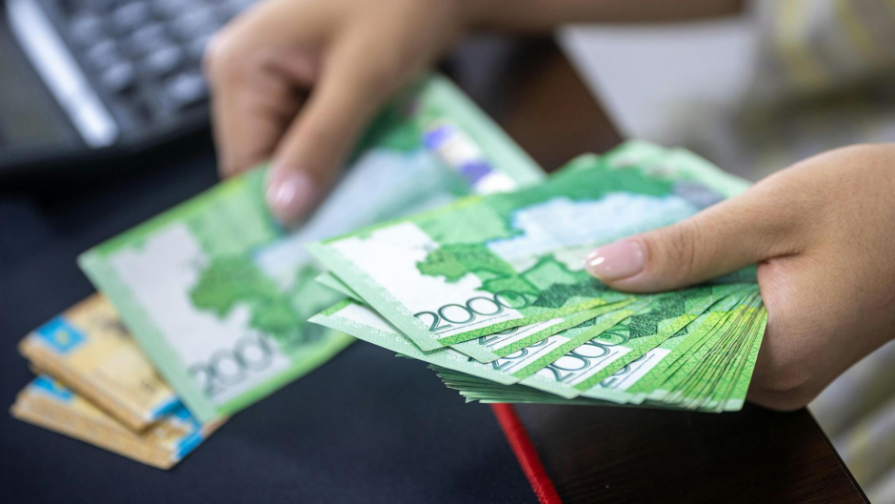
While bank deposits reportedly grew by 15% last year، reaching 67 trillion rubles، this figure masks a deeper trend. The demand for physical cash has skyrocketed. By April 2026، the amount of cash held by the public is projected to exceed 20.5 trillion rubles. This dramatic increase signals a profound lack of trust in the financial system، as citizens seek to safeguard their assets through tangible currency.
Misinformation and Central Bank Silence
Adding to the public's unease، a document purportedly signed by Elvira Nabiullina، the head of Russia's Central Bank، circulated online. The document suggested mandatory transfers of deposits exceeding 2.8 million rubles into non-redeemable savings certificates for a three-year term. Although the document was later confirmed as fake، its rapid spread and the public's willingness to believe it highlight a significant issue. The Central Bank's silence on the matter further fueled public anxiety.
Impact on the Banking Sector
Even major banks like Sberbank are observing shifts in customer behavior and expressing concern over the move towards cash transactions. The trend of cashless transactions is reversing، with cash settlements becoming more frequent، reminiscent of the 1990s. This shift could weaken the banking system's resource base، as cash withdrawn from circulation is not available for lending and investment.
The Digital Ruble and Future Uncertainty
Oleg Dubinsky، an economic observer، notes that the volume of physical cash is increasing by approximately 1% weekly، a situation experts attribute to public fear. Analyst Igor Lipsitz speculates that Russia might abandon the ruble، or at least its current form، drawing parallels to post-war monetary reforms in the USSR and Europe، which often resulted in the confiscation of public funds under unfavorable terms.
Amidst these concerns، Russia is introducing the 'digital ruble' starting September 1st. This new mechanism، distinct from cryptocurrency or banking apps، will be mandatory for businesses but voluntary for citizens. The Central Bank will have oversight over all digital ruble transactions، eliminating anonymity and potentially simplifying account freezes. A significant shift to digital rubles could reduce banks' lending capacity، potentially leading to closures. Currently، Russia has 306 banks، a decrease from the previous year. This leaves Russians caught between the prospect of future digital surveillance and the tangible security of cash، uncertain about their next move.
بۇل تۋرالى Infohub.kz اقپارات اگەنتتىگى حابارلايدى.


-
رەسەيدە اقشا رەفورماسى باستالادى. حالىقتىڭ بانك جۇيەسىنە دەگەن سەنىمى ازايىپ، قولما-قول اقشاعا سۇرانىس ارتتى. بۇل جاعداي ەل ەكونوميكاسىنا قالاي اسەر ەتەدى؟
-
ۆ كازاحستانە زاۆەرشەنو راسسلەدوۆانيە ۆ وتنوشەنيي رۋكوۆودستۆا كومپانيي، كوتورايا پيات لەت بىلا ەدينستۆەننىم ديستريبيۋتوروم لەكارستۆ وت مىشەچنوي ديستروفيي ديۋشەننا.