
static.tengrinews.kz
80 Years Ago: Stalin Withdrew Troops from Iran, Reshaping its Future
Eighty years ago, in March 1946, Iran faced a critical question: would the Soviet Union withdraw its troops after occupying the country since 1941? The fate of the Azerbaijan and Mahabad Kurdish republics, established with Soviet backing, hung in the balance, with many believing Joseph Stalin would not relinquish control.
A History of External Influence
According to political scientist Sultan Akimbekov, Iran's history has been consistently shaped by external forces. The early 20th century saw Persia undergo a revolution, experiencing constitutional changes and significant foreign pressure. A 1907 agreement divided the country into Russian and British spheres of influence.
The Rise of the Pahlavi Dynasty
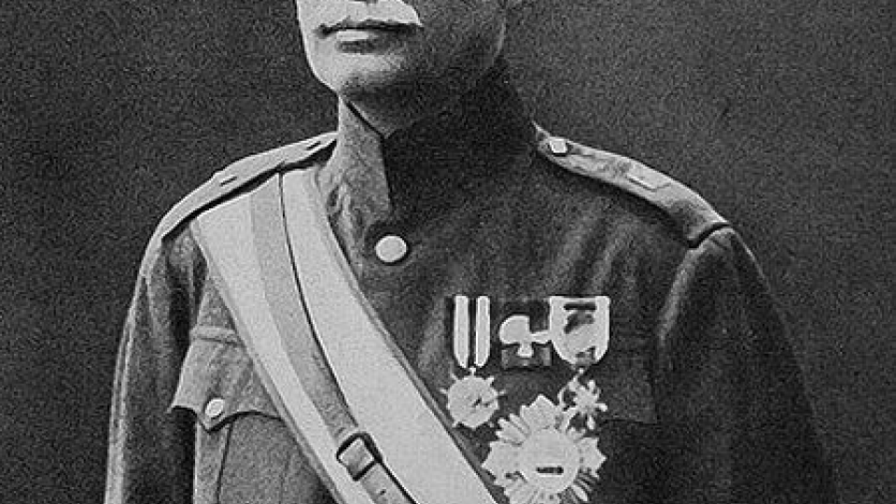
During this period, Reza Khan, emerging from the Persian Cossack Brigade, became a pivotal figure, establishing the rule of the Pahlavi dynasty. In 1935, Persia was renamed Iran, ushering in an era of rapid modernization and centralization.
World War II and Occupation
In 1941, the Soviet Union and Great Britain jointly invaded Iran. This military action was primarily aimed at securing a vital supply route for the Allied war effort against Germany, facilitating the transport of crucial goods through Iran.
Soviet Influence and Separatist Movements
Within the Soviet sphere of influence, the Tudeh Party was formed, and nationalist movements gained momentum. By 1945, the Azerbaijan and Mahabad republics were declared.
Stalin's Decision to Withdraw
Facing increasing pressure from the international community through Iran's appeal to the United Nations, Stalin eventually agreed to withdraw his forces. By the spring of 1946, Soviet troops had exited Iran. Later that year, the Iranian army moved to dismantle the two republics, and their leaders faced severe repercussions.
Modern Iran and Historical Lessons
Today, Iran stands as a considerably stronger nation. However, the dynamics of ethnic regions—such as those inhabited by Kurds, Azerbaijanis, Balochs, and Arabs—and the external geopolitical games surrounding them continue to influence the country's situation. This historical parallel underscores the enduring relevance of these past events.
The role of the Barzani family among the Kurds, alongside the significance of other ethnic groups in Iran's current geopolitical context, remains a notable aspect of the nation's complex internal landscape.
Bul týraly Infohub.kz aqparat agenttigi habarlaıdy.


-
Saıasattanýshy Sultan Ákimbekov Irannyń tarıhyna sholý jasap, búgingi jaǵdaımen salystyrady.
-
V setı poıavılas ınformasıa o vozmojnom polýgodovom dostýpe hakerov k sıstemam gosorganov Kazahstana. Mınısterstvo sıfrovogo razvıtıa prokommentırovalo sıtýasıý.