
tengrinews.kz
Mexico City Sinking at Alarming Rate, Visible from Space
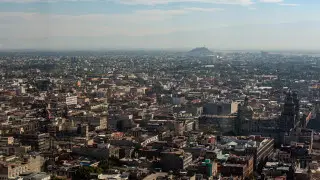
Mexico City, one of the world's largest urban centers, is experiencing a dramatic sinking phenomenon, with its descent becoming so pronounced it's visible even from space. This alarming rate of subsidence is primarily attributed to the over-extraction of groundwater.
Rapid Subsidence Visible from Orbit
With a metropolitan population nearing 22 million, Mexico City is sinking at a record pace. NASA's radar imagery reveals that parts of the city are descending at a rate exceeding 1.3 centimeters per month. This makes it one of the fastest-sinking cities globally.
Underlying Causes and Water Scarcity
The city is situated in a high-altitude basin atop an ancient lakebed. This underground reservoir traditionally supplies about 60% of the megacity's drinking water. However, decades of intensive water extraction have led to soil compaction and subsidence, exacerbating water scarcity issues and risking disruptions to the water supply.
Impact on Urban Infrastructure
The uneven sinking is intensified by ongoing urbanization, placing additional stress on the already unstable, clay-rich soil. Cracks appearing in roads, buildings, and water pipes are creating significant challenges for municipal services.
Historical Structures Affected
Authorities and researchers are grappling with the environmental and cultural heritage implications of the sinking. A notable example is the "Angel of Independence" monument, erected in 1910. Due to the ground sinking, an additional 14 steps have had to be added beneath the 34-meter-tall structure to maintain its original visibility.
This situation highlights the critical need for sustainable water management and urban planning in densely populated areas facing geological challenges.


-
Meksıka astanasy Mehıko jer asty sýyn shamadan tys paıdalaný saldarynan jyldam shógip barady. Bul jaǵdaı ǵaryshtan da kórinedi.
-
Kazakhstan introduces significant changes to traffic regulations, affecting average speed calculations, electric scooter usage, and more, starting May 11 and July 12.