
newtimes.kz
Uzbekistan's Nuclear Ambitions: A New Era for Central Asia's Energy?
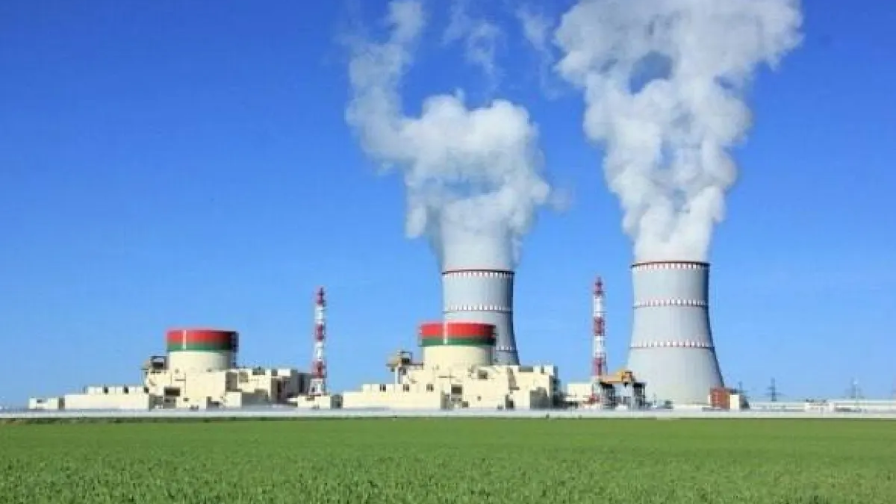
Uzbekistan has officially commenced construction of its first nuclear power plant (NPP), a landmark project undertaken in partnership with Russia's Rosatom. This development marks a significant step in the nation's energy strategy and carries implications for the entire Central Asian region, including Kazakhstan.
Key Project Details Emerge
Preparatory work is already underway at the construction site, with the establishment of a base camp and initial concrete pouring for future facilities. The plant is designed with a flexible approach, featuring two main power units and two smaller reactors. This dual-reactor strategy aims not only to provide stable baseload power but also to adapt to the growing energy demands and peak load requirements of Uzbekistan's expanding energy grid.
Projected Energy Output and Impact
Once fully operational, the NPP is projected to generate approximately 17 billion kilowatt-hours of electricity annually. This output is expected to meet up to 14% of Uzbekistan's total electricity consumption. Given the country's rapid energy demand growth, this project is considered crucial for ensuring long-term energy security.
Regional Significance and Global Trends
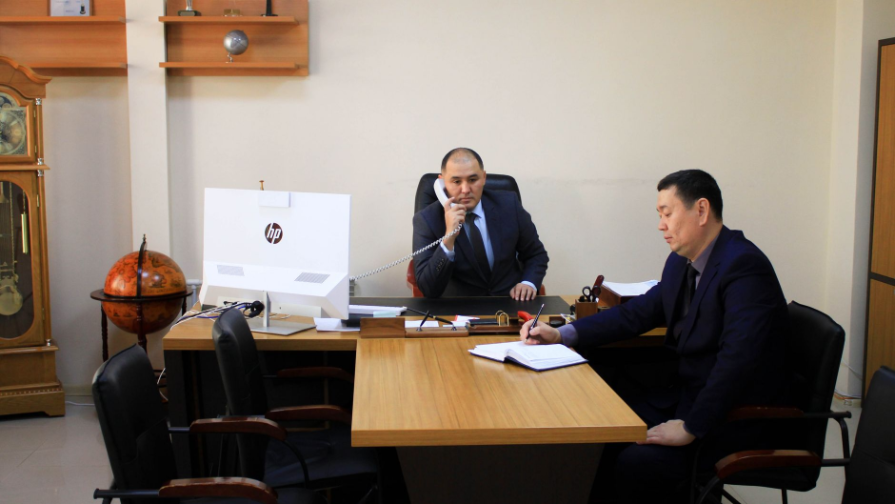
Bauryzhan Ibrayev, a distinguished figure in Kazakhstan's nuclear industry and an academician at the National Academy of Natural Sciences, highlighted the project's strategic importance. "Uzbekistan recognizes that the demand for electricity will continue to grow not only domestically but across Central Asia," Ibrayev stated. "In this context, the construction of the NPP is a strategic decision aimed at the long-term stability of the energy system." He also noted the global shift in perspective towards nuclear energy, with regions like Europe increasingly viewing it as a reliable, low-carbon power source.
Beyond Electricity Generation
Ibrayev emphasized that nuclear energy projects foster a broader ecosystem encompassing industry, science, and workforce development. "Such projects should not be viewed merely as energy sources. They invariably drive the development of technologies, industries, and cross-sectoral expertise," he explained.
Opportunities for Kazakhstan
Contrary to potential competitive concerns, Ibrayev believes Uzbekistan's NPP construction presents new opportunities for Kazakhstan. "Uzbekistan and Kazakhstan possess high competencies in natural uranium production. However, Kazakhstan, unlike Uzbekistan and other Central Asian countries, has very high competencies in nuclear fuel production," he noted. "We can produce powders, radiochemical preparations, and we have a plant that produces fuel assemblies. This means Kazakhstan has opportunities to expand its scope."
A Foundation for Regional Cooperation
The emergence of an NPP in Uzbekistan could serve as a starting point for establishing a common nuclear energy market in Central Asia. Ibrayev pointed out that cooperation is paramount for the region. Despite similar resource bases, the technological competencies of Central Asian countries vary, creating a foundation for complementary development. "It is logical for Central Asia to move forward together, not individually. Uniting forces will ensure economic benefits, scale, and new opportunities, including the formation of a full-fledged nuclear energy market in Central Asia," the expert concluded.
A Signal for Regional Energy Security
While acknowledging the need for balanced assessments of direct impacts, Ibrayev considers the NPP construction itself a significant signal for the region. Central Asia, which recently grappled with electricity shortages, is now actively shaping its long-term energy security strategy. "Today, the ability of countries to engage in dialogue and find joint solutions is more important than competition," Ibrayev stated. "Such approaches in the energy sector will allow the entire region to achieve more stable and mutually beneficial development. Therefore, I would like to see close and mutually beneficial cooperation between Kazakhstan and Uzbekistan."
Source: newtimes.kz

-
Almaty residents have noticed an increase in police vehicles from other regions. The Interior Ministry explains the reasons behind this initiative.
-
A 62-year-old mother of six in Kazakhstan has been sentenced to six years in prison for human trafficking, preying on vulnerable individuals.