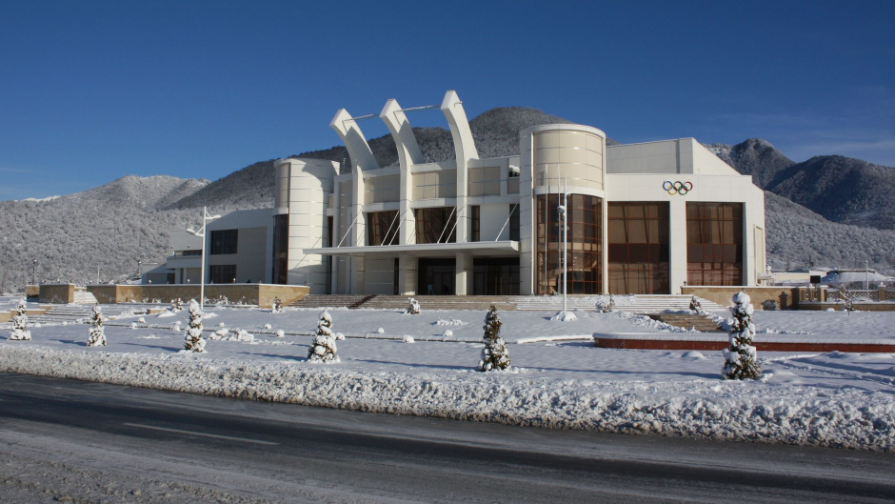


©️ Tengrinews.kz / Bolat Aıtmolda
Aksu-Zhabagly: 100 Years of Kazakhstan's Oldest Reserve and Its Dedicated Keepers
Kazakhstan's oldest nature reserve, Aksu-Zhabagly, is celebrating a remarkable milestone: its 100th anniversary. This pristine sanctuary, spanning 130,000 hectares across the Turkistan and Zhambyl regions, is renowned for its ancient juniper forests, rare wildlife, and rich biodiversity. It's a place where nature conservation is not just a job, but a way of life for its dedicated staff.
A Lifelong Commitment to Nature
Among those who have devoted their lives to Aksu-Zhabagly is ornithologist Elena Chalikova. For over 30 years, she has been immersed in the study of birds within the reserve. Chalikova first arrived in 1977 for an exchange program and found herself so captivated by the natural beauty and the mission of conservation that she decided to stay permanently.
The work at Aksu-Zhabagly presents unique challenges. With limited roads – only about 12 kilometers are accessible by vehicle – staff often rely on horses or travel on foot to patrol the vast territory. This deep connection with the land is a hallmark of those who choose to work here.
From Student Project to Lifelong Vocation
Elena Chalikova's journey began as a student. In 1977, she visited the reserve to work on her coursework, studying remotely while living in Shymkent. Back then, students were expected to be self-sufficient in their research endeavors.
Today, Chalikova and other researchers work from the reserve's administrative building. Horses remain a primary mode of transport for inspectors and scientists, symbolizing the blend of tradition and necessity in their daily routines.
Juniper Forests, Horses, and Long Treks
Aksu-Zhabagly is distinguished by its towering juniper trees, a species that grows exceptionally slowly, adding to the unique character of the landscape. The reserve is home to over 1,700 plant species, approximately 250 bird species, and more than 50 mammal species.
Chalikova, who describes herself as an observer, has published numerous scientific articles, particularly focusing on avian life. She recalls her early days learning to ride a horse, a crucial skill for navigating the rugged terrain. Each staff member traditionally had their own horse and saddle, integral tools for their work.
While health reasons now limit her horseback riding, Chalikova has traversed nearly every trail in Aksu-Zhabagly on foot over the decades. She recounts days where she would walk up to 30 kilometers, sometimes embarking on 10-15 day expeditions into the wilderness to cover the extensive area.
A Sanctuary That Endures
Aksu-Zhabagly is one of the few reserves in Kazakhstan whose territory has consistently expanded. It has operated without interruption for its entire 100-year history.
A Community Rooted in Nature
The reserve attracts a special kind of person. It takes a few years for newcomers to truly feel at home, while others leave quickly. Those who persevere often stay for life, with many staff members, including young professionals, boasting over a decade of experience.
“Only those who truly love nature stay,” says Smagul Zhumanov, Deputy Director for Scientific Work at the Aksu-Zhabagly State Nature Reserve. The reserve's village is home to approximately 3,500 residents who consider the area their home, despite the lack of mobile service in the mountains.
Baurzhan Zhunusbayev, a terriologist (mammal researcher), has lived in the area since childhood, following his father. He has worked at the reserve for 20 years and has no desire to leave, preferring the tranquility of the mountains over the noise and problems of city life.
Inspectors live in their own designated areas, with 12 stationary and one rapid response post ensuring constant monitoring. The reserve harbors diverse wildlife, including wild boars, mountain goats, argali, bears, roe deer, maral deer, and leopards. Hunting is strictly prohibited, and even tourists are only permitted on designated trails under staff supervision.
Eco-Tourism with Limits
Before the 1990s, access to the reserve was restricted to staff. Today, around 3,000 visitors are admitted annually, a number carefully managed to avoid exceeding the recreational carrying capacity. Visitors are drawn to the 10 ecological routes, the wild landscapes, and the complete absence of mobile connectivity.
Both Zhunusbayev and Chalikova emphasize that the primary goal is to protect nature for future generations. Chalikova highlights the dangers and physical demands of the job, identifying poachers as the most significant threat. She notes that wild animals typically pose a threat only when protecting young or if injured, otherwise, they generally avoid humans.
The reserve staff understand the unpredictable nature of the wilderness, acknowledging the risks of getting lost or stranded. Chalikova recalls a harrowing experience in 1983 when a severe blizzard nearly prevented her from reaching a field base.
A Passion for the Small and the Wild
In the reserve's museum, Elena Chalikova shared her passion for birds. Her favorite is the Rufous-tailed Finch, endemic to the Western Tien Shan, whose biology she extensively studied. Ornithologists develop a keen ear for distinguishing bird calls over years of practice.
Chalikova focused on smaller birds, like finches, finding their lives more accessible for study and less explored than larger raptors. She remains fascinated by the unanswered questions in avian biology, such as the reasons behind migration patterns and nesting choices.
Recounting memorable encounters, Chalikova shared stories of peaceful meetings with wild boars and a tense moment when she found herself between a mother bear and her cub. She managed the situation by calmly clapping her hands and slowly walking past, avoiding any provocation.
Despite the inherent risks, including encounters with wildlife and the elements, Chalikova considers herself fortunate to have spent her life pursuing her passion. She finds solace in the tranquility of nature, preferring it to the bustle of city life. Her only regret is not always trusting her own judgment more, believing she could have accomplished even more by relying solely on her decisions.
Bul týraly Infohub.kz aqparat agenttigi habarlaıdy.

-
Qazaqstannyń eń kóne qoryǵy – Aqsý-Jabaǵy 100 jyldyǵyn atap ótýde. Bul jerde tabıǵatty qorǵaýdy ómiriniń máni etken jandar jumys isteıdi. Solardyń biri – 30 jyldan astam ýaqyt qustardy zerttep júrgen ornıtolog Elena Chalıkova.
-
V mae 2026 goda kazahstansy polýchat mnojestvo dopolnıtelnyh vyhodnyh dneı blagodará prazdnıkam ı perenosam.