
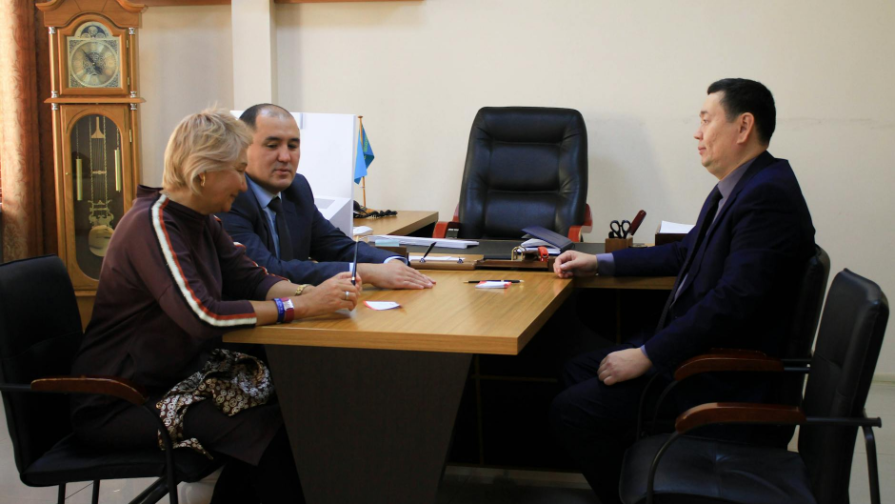
Photo: Ayazhan (https://www.pexels.com/@ayazhan-3173683) / Pexels
Kazakhstan Powerless: Hidden Dangers in Power of Attorney Lead to Property Loss
Kazakhstanis are facing a growing risk of losing their homes and savings due to a hidden danger within power of attorney documents. A failure to thoroughly scrutinize these legal instruments or fully grasp their implications can lead to citizens unknowingly relinquishing control over their valuable assets.
The Perils of Power of Attorney
A power of attorney (POA) grants an individual the authority to act on behalf of another, enabling actions such as selling property, signing documents, or representing them before banks and government bodies. However, many individuals sign these documents without fully reading them or understanding the extensive powers they are bestowing.
"In practice, many people sign powers of attorney that grant very broad authorities. They are later surprised that their representative could do much more than expected," explains Gulnara Ryspekova, Executive Director of the Republican Chamber of Notaries.
Digital Notary Services and Their Role
In Kazakhstan, a portion of notary services can now be processed online through the eGov Mobile app, specifically via the eNotary service. This digital platform utilizes biometrics and state databases to verify identities and mitigate the risk of fraud.
When POAs Become Problematic
A common scenario involves POAs issued within family relationships, often created for convenience. These can later be used for entirely different purposes. For instance, a relative might be granted the authority to manage real estate, only for it to be discovered later that they can sell the apartment without further consent. These issues often stem not from forged documents, but from overly broad wording within the POA itself.
Verifying Your Power of Attorney
The quickest way to verify a POA is by scanning the QR code on the document. This directs you to the official ENIS.kz service, where the POA's status is displayed. It is crucial to ensure the link leads to the legitimate ENIS.kz website and not a fraudulent imitation.
After verification, you can see details such as the POA's status, the principal, the authorized person, and the scope of authority. A common mistake is failing to check the status in the system, potentially overlooking that the POA has already been revoked.
Checking Paper POAs
Even POAs issued in paper form can be found and verified through the ENIS system. Discrepancies or missing information are red flags requiring further investigation. Sometimes, clarifying information directly with the notary who issued the document is sufficient.
POAs and Financial Transactions
The risks are not confined to real estate. In one instance, fraudsters used a forged POA to withdraw funds from a bank account. "If a notary has doubts, they have the right to refuse to perform the notarial act," Ryspekova notes.
Key Elements to Check in a POA
Pay close attention to the personal details of both the principal and the authorized person, the list of granted authorities, and the validity period of the POA. The wording is particularly important. For example, if a POA grants the right to "manage movable and immovable property," carefully assess the scope of authority and potential legal consequences.
Revoking a Power of Attorney
It is essential to remember that a POA can be revoked at any time. This is a frequently overlooked but critical point: the document is not permanent and requires ongoing monitoring. "If trust is lost or the POA is no longer needed, it should be revoked immediately through a notary," the Chamber emphasizes.
Verifying a power of attorney takes only a few minutes but can prevent significant financial losses. The key principle today is simple: even if a document looks official, do not rely solely on its appearance. The information provided by the system is far more important.
Source: digitalbusiness.kz

-
Senimhattardy durys teksermeý nemese olardyń mazmunyn tolyq túsinbeý saldarynan azamattar múlikterinen jáne aqshalarynan aıyrylýy yqtımal.
-
Eksperty predýprejdaıýt: neeffektıvnoe ýpravlenıe vodnymı resýrsamı ı ıgnorırovanıe klımatıcheskıh ızmenenıı mogýt prıvestı k sereznym posledstvıam, podobnym ıranskomý krızısý.