
Erık Týıakbaev
Almaty Residents Urge Tourists to Avoid Kapchagay Reservoir to Preserve Nature
Residents of Almaty are pleading with tourists to reconsider visiting the Kapchagay Reservoir, a scenic spot that has recently surged in popularity on social media. While the reservoir's stunning landscapes are attracting more visitors eager for photos and short excursions, locals are growing increasingly worried about the environmental impact.
A Natural Gem Under Threat
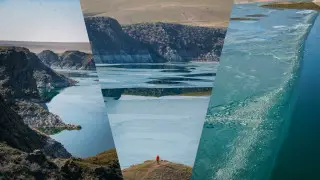
The Kapchagay Reservoir, located about two hours from Almaty, has become a hotspot for content creators and nature enthusiasts. Photographer Erik Tuyakbayev highlights its accessibility, even for standard vehicles, and its secluded spots as key attractions. The surrounding cliffs provide a dramatic backdrop, making it ideal for visual content.
Visually, Kapchagay is often compared to the Bestobe Reservoir. While both offer beautiful scenery, Kapchagay emphasizes the water and cliffs, whereas Bestobe frequently features mountains in its shots.
Rare Flora and Local Recreation
Beyond its visual appeal, the area is home to rare flora. Erik notes that the endemic Regel tulips, which bloom in mid-April, can be found here. For the nearby villagers, the reservoir is a cherished spot for relaxation and fishing, a peaceful retreat from daily life.
A Plea for Preservation
However, the surge in visitors has brought a significant increase in litter. Almaty residents are actively using social media to implore tourists to practice responsible tourism and keep the area clean. Concerns are mounting that Kapchagay could suffer the same fate as other popular destinations, becoming overwhelmed by trash.
One social media user expressed the sentiment shared by many: "Please don't litter this place. Let's not turn this beautiful lake into a flea market." The reservoir first gained significant social media attention in early March, and the trend shows no signs of slowing down without a concerted effort towards preservation.
This situation highlights a growing challenge for popular natural sites worldwide: balancing increased tourism with the urgent need for environmental conservation.

-
Áleýmettik jelilerde Kýrtın bógeniniń tanymaldylyǵy artqanymen, jergilikti turǵyndardyń alańdaýshylyǵy da kóbeıip keledi. Olar týrıserdi tabıǵatty qoqysqa aınaldyrmaýdy ótinedi.
-
Kazakh economist Arman Beisembaev analyzes the tenge's recent appreciation against the dollar and ruble, detailing the factors behind the shift and offering investment advice.