
depositphotos.com
Ancient Maya Secret: Why Chia Seeds Are a Modern Health Staple
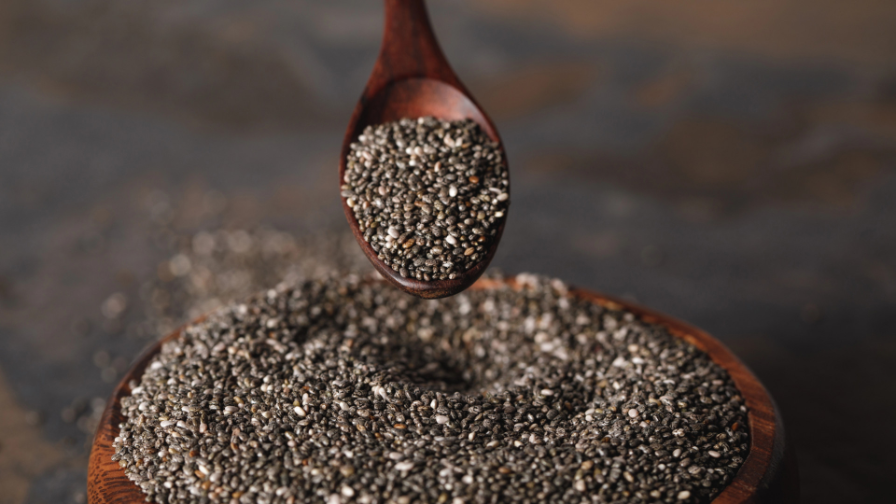
Chia seeds have taken the health food world by storm in recent years, but their popularity is more than just a fleeting trend. These tiny seeds boast a history stretching back thousands of years, once serving as a vital energy source for ancient civilizations.
A Superfood of the Ancients
The history of chia seeds, also known as Spanish sage, dates back over 5,000 years. They were a staple superfood for the Aztecs and Maya people. In fact, the Mayan word for "chia" translates to "strength," highlighting its perceived energy-boosting properties.
Lost and Rediscovered
In ancient Mesoamerica, chia seeds were consumed as a primary food source, a provider of energy, and even used as a form of currency. However, after the Spanish conquest, chia seeds faded into obscurity for approximately 450 years. Cultivation was only revived in South America in the 1990s.
Why Are Chia Seeds So Beneficial?
Nutritionists point to the impressive nutritional profile of chia seeds. They are packed with fiber, protein, omega-3 fatty acids, and antioxidants. This dense nutrient content makes them incredibly valuable for overall health.
Easy to Incorporate into Your Diet
Adding chia seeds to your daily meals is remarkably simple. Experts suggest incorporating one to two tablespoons into yogurt, oatmeal, or salads. They can also be blended into smoothies or soups, or even mixed into pancake batter for added nutrition without altering the taste significantly due to their mild flavor.
Today, chia seeds are cultivated in regions across Latin America and Australia, continuing their legacy as a powerful and versatile food.


-
Myńdaǵan jyldyq tarıhy bar chıa tuqymynyń densaýlyqqa paıdasy men ony rasıonǵa qosý joldary týraly bilińiz.
-
Lıchnost21-letnego mýjchıny, kotoryı pronık na terrıtorıý rezıdensıı Mar-a-Lago s orýjıem ı byl zastrelen, ýstanovlena.