

https://azh.kz/ru/news/view/128207
Kazakhstan Party Demands Pension Recalculation for 90s Entrepreneurs
Thousands of entrepreneurs who started businesses in Kazakhstan during the 1990s and early 2000s are encountering a significant hurdle as they approach retirement. Due to peculiarities in the old banking system, their years of dedicated work are being counted as nearly half their actual duration, leading to substantially lower pension payouts.
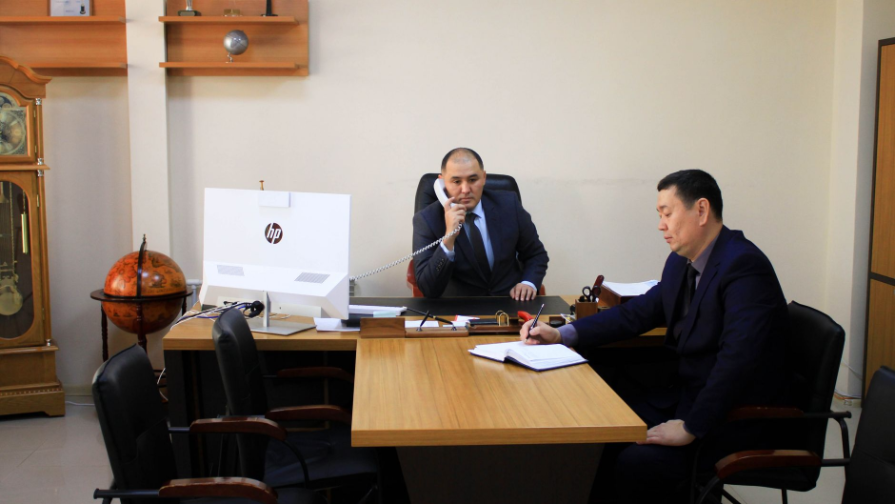
This critical issue, along with other pressing concerns for small and medium-sized businesses (SMEs), was the focus of a three-hour discussion involving the leadership and deputies of the Ak Zhol Democratic Party.
The Pension Gap: How 30 Years of Service Became 14
Following the introduction of the cumulative pension system, many entrepreneurs made contributions for themselves and their employees on a quarterly, rather than monthly, basis between 1998 and 2011. At the time, this was a practical necessity. Banks and tax committees faced long queues, and monthly payments were extremely time-consuming. Banks themselves supported this by accepting quarterly payments.
However, when these individuals now retire, the state calculates their work experience not by the actual years they were employed, but solely by the number of bank transfers made. This means that, by the government's logic, people are considered to have worked only four months a year, effectively losing eight months of their service history annually.
One entrepreneur's 30-year career has reportedly been reduced to just 14 years under this system. Furthermore, their consistent tax payments are not being factored into the pension calculation at all.
The Ak Zhol party faction is urging the government to adopt a sensible solution, advocating for a legislative change to reclassify quarterly payments made between 1998 and 2011 as monthly contributions.
The Decline of Traditional Shopping Centers and a Call for Repurposing
Another significant concern raised was the sharp decline in retail turnover. Businesses are struggling under the pressure of marketplaces and the rapid growth of e-commerce. Major shopping centers across Kazakhstan are rapidly losing both shoppers and tenants, making it difficult for them to pay VAT.
The Ak Zhol party believes that shopping centers require state-level intervention. They propose assisting these centers in fundamentally changing their operational models.
“Such restructuring requires extensive building renovations and enormous costs. We believe the state must help businesses by assisting them in choosing new formats and providing accessible preferential loans for the redevelopment of vacant spaces,” the deputies emphasized.
Bureaucracy with Codes and Risks for SMEs
Entrepreneurs also voiced complaints regarding the implementation of the National Product Catalogue (NPC). They argued that attempts to create a unique product classification for Kazakhstan's domestic market are inefficient and merely replicate global practices, which could significantly hinder trade.
Party representatives called on the government to proceed cautiously with the NPC's implementation, suggesting that a domestic cataloging system should only be introduced for goods produced within Kazakhstan.
Concluding the meeting, the Ak Zhol party announced that its analytical service has submitted urgent proposals to the Ministry of Justice of the Republic of Kazakhstan regarding the synchronization of tax authority information systems to prevent a crisis in the country's trade sector.
This information was reported by the Infohub.kz news agency.


-
«Aq jol» partıasy 90-jyldardaǵy kásipkerlerdiń zeınetaqy esepteýdegi kemshilikterdi joıýdy jáne saýda ortalyqtaryn qoldaýdy talap etti.
-
Edınyı nakopıtelnyı pensıonnyı fond obásnıl, pochemý pensıonnye aktıvy pokazalı nýlevýıý dohodnostza pervye chetyre mesása 2026 goda.