
© Tengrinews.kz / Болат Айтмолда_
Inside Almaty's Psychiatric Emergency: A Doctor's Candid Account
The front lines of mental health care are often unseen, yet critically important. In Almaty, specialized psychiatric emergency teams are the first responders for individuals experiencing severe mental health crises. A recent deep dive into their work offers a rare glimpse into the demanding and often harrowing nature of this profession.
A Veteran Psychiatrist's Perspective
Nuriddin Abdullaev, a psychiatrist at the Almaty Center for Mental Health, has dedicated 15 years to this challenging field. Despite the constant exposure to human tragedy, his passion for the work remains evident. He spoke about the realities of psychiatric emergency services, aiming to demystify mental illness and the professionals who treat it.
The Demands of a 24/7 Service
Almaty operates with four psychiatric emergency brigades, known colloquially as 'nines'. These teams work around the clock, with doctors often undertaking eight shifts per month due to the intense emotional toll of the job. The number of these brigades has remained unchanged since 1990, despite significant population growth in Almaty, leading to increased workloads and a surge in calls.
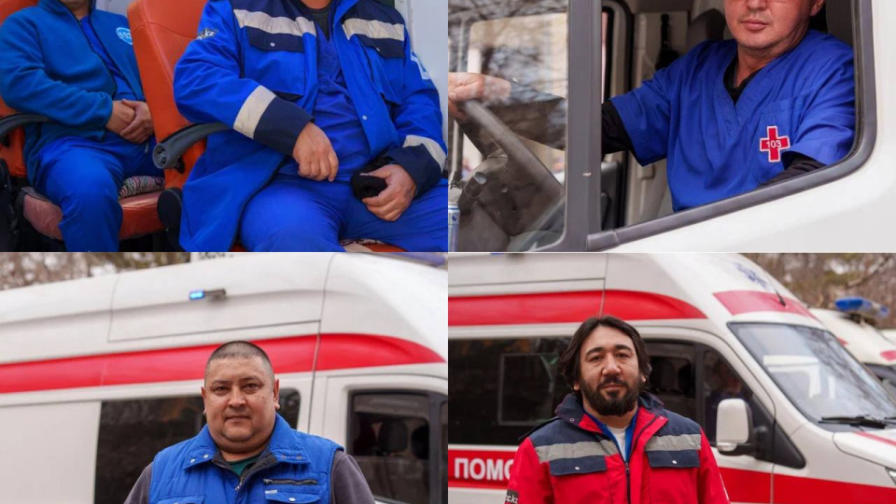
Each brigade consists of a psychiatrist, two orderlies, a paramedic, and a driver. Safety is paramount, with orderlies often entering a situation first to assess and secure the environment. The paramedic handles medical interventions, while the psychiatrist engages with the patient and their family to make crucial diagnostic and hospitalization decisions.
Navigating Crisis Situations
A single call can extend for hours, especially considering Almaty's traffic congestion. Beyond the time spent, these calls can involve patients who may have injured themselves or pose a risk. Ensuring no other medical issues are present before hospitalization is a critical step. A psychotic episode is defined by a break from reality, potentially endangering the individual or others.
Even after a patient is transported to a psychiatric hospital, the emergency team's work isn't over. They must present a clear case to the on-duty hospital psychiatrist, justifying the need for admission. While treatment can last up to 90 days, current practice often sees patients stabilized and discharged within a month.
Diagnosis and Intervention
The brigades also respond to patients under dispensary observation, sometimes visiting the same individuals multiple times a year. Over time, these teams develop a deep understanding of their patients' unique needs and potential risks, adapting their approach accordingly.
The primary goal is to provide safe and effective care. Psychiatrists meticulously observe a patient's speech, demeanor, and actions to identify hallucinations or delusions. While diagnoses like neurosis or panic attacks might be managed with medication and home care, severe conditions like psychosis, especially when posing a risk, necessitate hospitalization.
Family refusal of hospitalization, often due to religious beliefs or fear of stigma, presents a significant challenge. However, doctors emphasize that isolating individuals during acute phases is crucial for their safety and the safety of those around them.
Common Conditions and Misconceptions
While the number of calls has increased in line with Almaty's population, Dr. Abdullaev notes that the prevalence of severe mental disorders has not significantly risen. Schizophrenia and bipolar affective disorder remain common diagnoses, often presenting with hallucinations, delusions, and severe emotional instability. He stresses the importance of early intervention, as delayed treatment can lead to severe deterioration.
Debunking myths is a key part of their work. Restraint shirts are no longer used; instead, soft cotton restraints are employed for brief periods to ensure safety during transport or procedures. The idea of seasonal 'episodes' is also nuanced; while some conditions may show seasonal patterns, psychosis can occur unpredictably. Triggers can range from weather changes to interpersonal conflicts within the household.
The notion of historical figures like Napoleon appearing in patients is less common today. Instead, delusions often involve modern figures like prophets, presidents, or celebrities. The idea that working with severely ill patients can lead to mental illness in professionals is also addressed; while neuroses are possible due to stress, severe disorders typically require pre-existing predisposition.
Facing Danger on the Job
Dr. Abdullaev recounted intense situations, including responding to a patient armed with a knife and an axe, which required a significant police presence and a two-hour standoff. He described how patients in a psychotic state often perceive medical staff as threats, leading to aggression.
In one harrowing incident, a patient experiencing acute psychosis attacked his mother. The team had to subdue the man, who had barricaded himself on the roof. Another time, a seemingly calm patient suddenly lunged towards a room containing knives, highlighting the constant need for vigilance.
The emotional toll is immense, with doctors needing to remain calm and objective even when faced with verbal abuse or physical threats. Dr. Abdullaev himself experienced a moment of profound burnout during the COVID-19 pandemic, questioning the value placed on medical professionals' lives and work. This led him to reduce his clinical hours and shift focus towards training doctors in communication skills, seeking a better work-life balance.
His personal coping mechanisms include hiking, spending time in the mountains, horse riding, and gym workouts, emphasizing the importance of maintaining personal well-being to sustain a demanding career.
The article concludes with a vivid account of a call involving a 30-year-old man exhibiting clear signs of psychosis, including disorganized thinking and aggression towards his parents. The team's careful dialogue and assessment led to his necessary hospitalization, underscoring the critical role of psychiatric emergency services in providing timely and essential care.
Бұл туралы Infohub.kz ақпарат агенттігі хабарлайды.

-
Тарифтердің өсуіне қандай факторлар әсер етуі мүмкін және қаншаға өсуі ықтимал екенін біліңіз.
-
Суд не удовлетворил требования Дариги Бадыковой по иску к журналисту Нурсеиту Жылкышыбаю, который ранее опубликовал интервью с ее бывшим супругом.