
ەلەنا نيكيتەنكو
Kazakhstan Tightens Vehicle Modification Rules: What You Need to Know
Kazakhstan is introducing significant changes to its vehicle technical inspection requirements، aiming to enhance transparency and reduce informal checks through new technologies and stricter regulations.
Stricter Rules for Vehicle Modifications
The Ministry of Internal Affairs (MIA) has updated regulations concerning the legalization of vehicle modifications. Starting January 27، 2026، the process for approving changes to a vehicle's structure will become more complex، affecting numerous popular modifications.
"Kenguryatniks" and Exterior Tuning Face Scrutiny
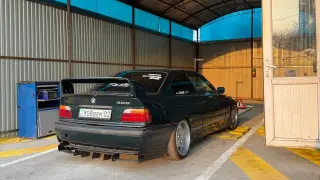
Owners of off-road vehicles، passenger cars، and tuning enthusiasts have raised concerns about the new rules for external modifications such as "kenguryatniks" (bull bars)، reinforced bumpers، and plastic body kits. The MIA has clarified that structures protruding beyond the front bumper line and made of steel or similar strong materials are prohibited for M1 (passenger cars) and N1 (light commercial vehicles up to 3.5 tons) categories. Only factory-approved elements or those that have passed a specific assessment will be permitted. However، the exact stance on all types of exterior plastic enhancements remains unclear، with the ministry focusing primarily on safety-related protrusions.
LED Headlights and Lighting Modifications
The installation of modern LED lenses in place of standard vehicle headlights is another common query. While proponents argue that quality LED modules improve road illumination and safety، official information on legalizing such upgrades is scarce. The MIA states that light sources must comply with manufacturer specifications or be certified equipment. Any alterations to external lighting devices must adhere to the requirements of TR TS 018/2011، as lighting components are critical for road safety and require mandatory certification.
Mandatory Laboratory Testing for Modifications
A key change this year is the requirement for mandatory inspection at an accredited testing laboratory. Previously، many modifications could be processed through service centers. Now، after any modification، a vehicle must undergo a comprehensive safety assessment. The laboratory must confirm the vehicle's compliance with the Customs Union's Technical Regulation TR TS 018/2011 and the national standard ST RK 1418-2018. Only after obtaining the relevant protocol can owners finalize the legalization of the changes.
Navigating Laboratory Accreditation
Finding accredited testing laboratories remains a challenge. The Ministry of Trade and Integration maintains a list of accredited labs، which should be included in the Eurasian Economic Union's unified registry. However، practical accessibility is an issue، with many of the 374 listed laboratories concentrated in Almaty and Astana. Some regions have only one facility، and information is not always readily available to the public. The MIA has not yet provided a clear response regarding the development of a more user-friendly، region-searchable directory for vehicle owners.
Potential Increase in Modification Costs
The most immediate consequence of these changes is likely to be an increase in the cost of legalizing vehicle modifications. With mandatory laboratory expertise becoming the sole path for legalization، demand on existing labs will rise، particularly in less concentrated regions. Coupled with plans for digitalization، enhanced monitoring، and process automation in technical inspections، requirements for modified vehicles are expected to become even stricter in the coming years. This underscores the necessity for owners to pre-approve any structural changes and ensure full compliance with all regulations.
بۇل تۋرالى Infohub.kz اقپارات اگەنتتىگى حابارلايدى.

-
قازاقستاندا اۆتوكولىكتەرگە تەحنيكالىق بايقاۋ جۇرگىزۋ تالاپتارى وزگەرۋدە. جاڭا ەرەجەلەر «كەنگۋرياتنيكتەر»، LED فارالار جانە گاز-بالوندىق قۇرىلعىلارعا قاتىستى بولادى.
-
امەريكانسكيي سەناتور وبۆينيل سىنوۆەي دونالدا ترامپا ۆ كوررۋپسيي يز-زا سدەلكي س كازاحستانسكوي كومپانيەي، سۆيازاننوي س دوبىچەي ۆولفراما.