

Photo: Aleksey Marcov (https://www.pexels.com/@aleksey-marcov) / Pexels
Astana LRT Project: Costs, Staffing, and Foreign Experts Revealed
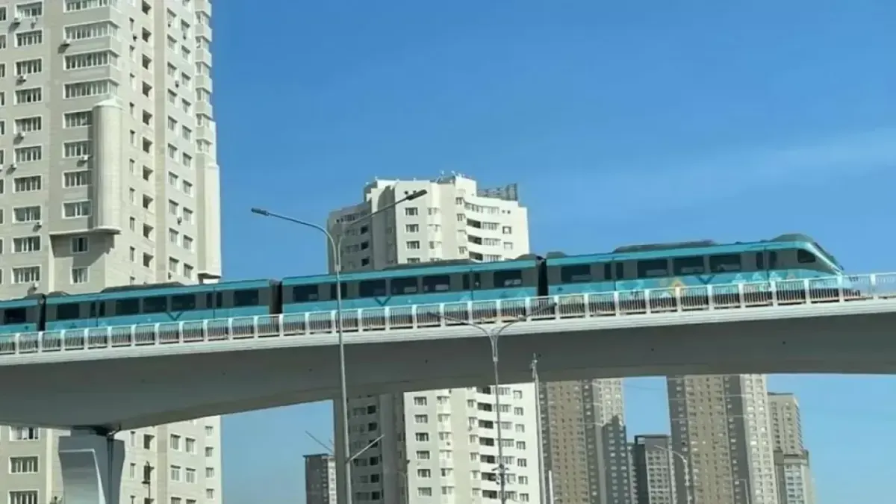
The Astana Light Rail Transit (LRT) project, after more than a decade of anticipation, is on the verge of operation. However, it has become clear that the project will impose a substantial financial burden on the city's treasury.
While a fare of 200 tenge per trip has been set, the majority of the operational costs will be covered by the city administration. This financial reality has been openly discussed, shedding light on the project's economic aspects.
Who Will Operate the LRT?
According to Asylbek Duisebayev, Chairman of the Board of City Transportation Systems (CTS), over 1,000 employees will be mobilized to ensure the LRT's smooth operation. The average salary for staff is set at 500,000 tenge, with highly responsible dispatchers earning around 700,000 tenge per month. Duisebayev himself confirmed his salary to be 1.1 million tenge.
Staffing Gaps and Foreign Expertise
The current staffing is not yet complete, with recruitment ongoing for various positions, including training for train drivers. Notably, approximately 300 Chinese specialists are employed within the LRT system. The company explains this by the lack of prior experience with such transport systems in Central Asia, leading to a shortage of local engineers.
A 10-year contract is in place with the Chinese specialists. However, the plan is to gradually reduce their numbers and replace them with Kazakhstani professionals by the end of the decade.
Funding Mechanisms
The employment contracts for both foreign and domestic specialists are reportedly similar, with foreign workers receiving their salaries in yuan. The primary funding for the project comes from passenger fares (200 tenge) and subsidies allocated from the Astana city budget.
The head of CTS explicitly stated that the LRT project cannot be self-sustaining solely through passenger revenue. There are no current plans to open shops or cafes within the stations. The company anticipates serving between 35,000 to 45,000 passengers daily, though the exact monthly operational costs have yet to be calculated.
Passengers will not incur additional charges for luggage. Bicycles are permitted only if they are folded. Despite the 200 tenge fare for Astana residents, the actual cost of service will be significantly higher, with the city budget covering the difference.
Bul týraly Infohub.kz aqparat agenttigi habarlaıdy.


-
A court in the UAE has handed down a life sentence to a Kazakhstani national, but the verdict is not yet final as an appeal has been lodged.
-
Desátkı ozer ı rek v Zapadno-Kazahstanskoı oblastı vpervye otdadýt predprınımatelám na 10 let. Ýznaıte, kak eto povlıaet na lúbıtelskýıý ı promyslovýıý rybalký.