
static.tengrinews.kz
Iran's Regional Power Play: The One Condition That Could Reshape the Middle East
A potential agreement between the United States and Iran could significantly alter the regional power dynamics, according to political scientist Sultan Akimbekov. While high demands from both sides make a resolution challenging, one specific condition could elevate Iran to a major regional player.
The Sticking Points in Negotiations
Akimbekov suggests that reaching a deal is difficult due to the maximalist positions held by both Washington and Tehran. The situation escalated in May when U.S. President Donald Trump announced a postponement of an attack on Iran, reportedly at the request of Arab nations. Trump indicated that "important negotiations" were underway, potentially leading to an agreement that would ban nuclear weapons.
However, Iran's state agency, Fars, published a list of U.S. demands on May 17th, which also included Iran's previous conditions. Finding common ground between these demands remains a significant hurdle.
A Potential Compromise for Regional Influence
Despite the complexities, Akimbekov outlines a scenario where a deal could be struck. Trump might be amenable to Iran agreeing to export its enriched uranium and relinquishing its claim of sovereignty over the Strait of Hormuz. In return, the U.S. could release a portion of Iran's frozen assets, potentially 50 percent instead of the initially discussed 25 percent, and lift some sanctions. Trump might also seek an agreement to halt operations against Hezbollah in Lebanon.
For Iran, this could be a beneficial outcome. By foregoing its enriched uranium stockpile and securing funds for economic development and the restoration of its military-industrial capabilities, Tehran could emerge stronger. The control over the Strait of Hormuz, while a significant advantage, is something Iran might be willing to negotiate, using it as leverage.
Geopolitical Implications for the US and Israel
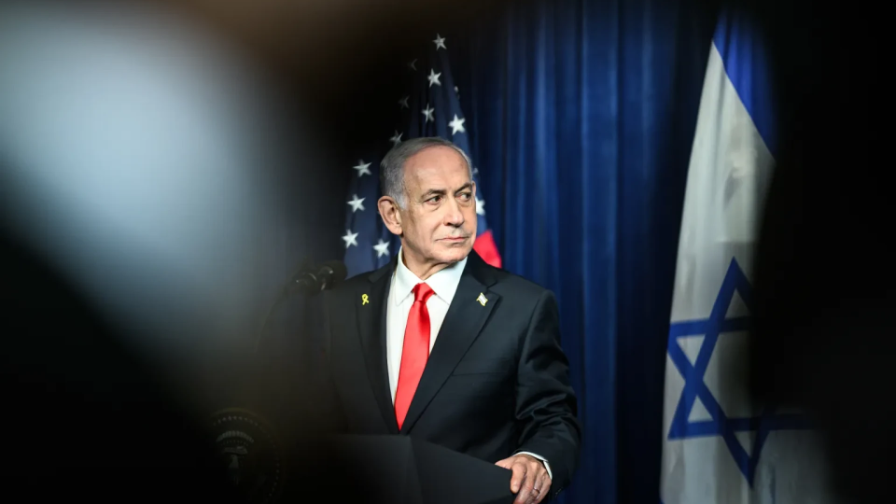
The U.S. interest in ensuring the passage of convoys through the strategically vital Strait of Hormuz is a key factor. A recent phone call between Trump and Israeli Prime Minister Benjamin Netanyahu on May 17th reportedly revealed significant tension. While Trump discussed the ongoing mediation efforts by Arab nations aimed at ending the conflict and initiating talks on Iran's nuclear program and the Strait of Hormuz, Netanyahu advocated for increased pressure on Iran.
From Israel's perspective, a prolonged conflict would weaken Iran's military-industrial capacity. Israel also seeks to maximize the utilization of U.S. military assets in the region, viewing it as a unique, potentially unrepeatable opportunity. This divergence in interests likely contributed to the strained conversation between Trump and Netanyahu.
Trump's Domestic Considerations
For Trump, concluding the conflict is crucial, especially with upcoming midterm elections in November. Losing Republican control of Congress could open the door to impeachment proceedings, which, while unlikely to succeed, could complicate his final two years in office. Despite U.S. military might, Iran has not been forced to concede its will, and further military actions, even limited airstrikes, are possible but time-consuming.
The Fate of Uranium and Sanctions
Ultimately, the resolution may hinge on the fate of 400 kilograms of enriched uranium, the lifting of sanctions, and the release of Iranian assets. If Tehran abandons its sovereignty claims over the Strait of Hormuz, Trump could claim a victory, though this would be disadvantageous for Israel. Iran, however, could potentially revert to its previous programs at any time.
Historical Parallels of Trade Route Control
The article draws parallels to historical instances where control over trade routes shaped empires. The example of the Baltic Sea in the 16th-17th centuries is cited, where control over trade routes led to the rise and fall of powers like Denmark and Sweden. The imposition and eventual abolition of the Sound Dues illustrate how control over vital waterways can generate revenue and influence, but also lead to conflict and shifts in power.
An Unexpected Regional Shift
If Iran were to establish control over the Strait of Hormuz and levy tolls on all significant cargo passing through it, it would become a paramount nation, not just regionally but globally. The U.S. and Israel, who initiated operations against Iran on February 28th, may not have anticipated this outcome. They now face a difficult choice: agree to terms that effectively solidify Iran's status as a regional power, or engage in a new phase of conflict that would inevitably lead to further negotiations.
Bul týraly Infohub.kz aqparat agenttigi habarlaıdy.

-
Saıasatker Sultan Ákimbekov AQSH pen Iran arasyndaǵy kelissózderdiń mán-jaıyn, sondaı-aq Irannyń aımaqtaǵy rólin kúsheıtýi múmkin bir talapty taldaıdy.
-
Jıtel Sankt-Peterbýrga vystrelıl ız pnevmatıcheskogo orýjıa v ıýnogo mýzykanta ız-za ego ıgry na saksofone. Rebenok gospıtalızırovan.