
Oksana Matasova/Kazinform
Kazakhstan Builds Modern Waste Sorting and Recycling Plants
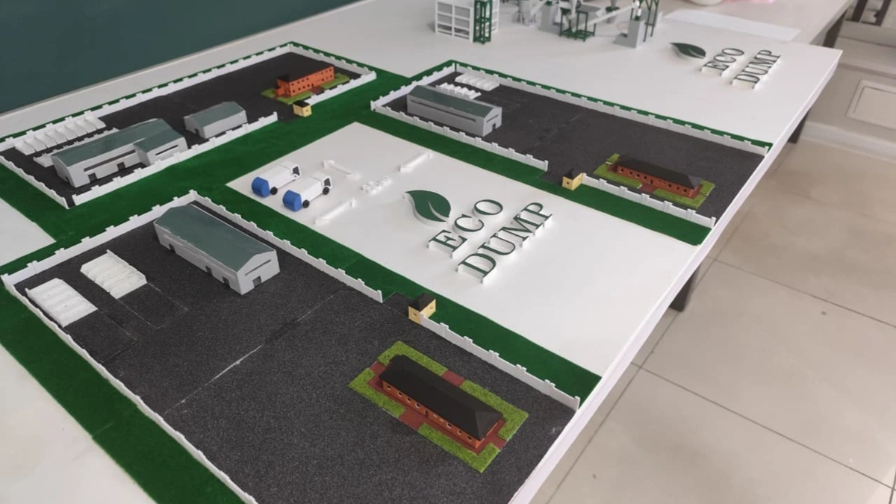
Akmola region in Kazakhstan is embarking on a significant environmental initiative with the construction of its first modern waste sorting and recycling plants. These facilities, set to be established in the cities of Kokshetau and the Burabay and Zerendi districts, are designed to revolutionize waste management in the region.
Boosting Regional Waste Management
The project, spearheaded by 'Eco DUMP' LLP, aims to create an advanced and environmentally sound system for handling waste. An agreement formalizing this public-private partnership was signed between the company and the regional administration in February of this year. The combined annual processing capacity of all three plants will reach 150,000 tons of waste.
Strategic Locations and Advanced Technologies
One complex, with a capacity to process 70,000 tons per year, will be located in Kokshetau, the regional center. Two additional complexes, each capable of handling 40,000 tons annually, will be situated in the Burabay and Zerendi districts. These facilities will employ cutting-edge technologies for waste sorting, recycling, and neutralization.
Focus on Tourist Areas
The choice of locations is strategic, according to Batyrzhan Abilpeisov, Deputy Head of the Akmola Regional Department for Natural Resources and Environmental Regulation. "These places were not chosen by chance. Kokshetau is the regional center, the most populated area. Burabay and Zerendi are tourist destinations with high visitor numbers, leading to significant anthropogenic load," he explained. The project also includes plans for a pilot program to use electric waste collection vehicles in these areas.
Furthermore, separate waste collection systems will be organized along the shores of popular lakes like Borovoe, Shchuchye, Bolshoe and Maloe Chebachye, and Katarkol, as well as in adjacent settlements.
Innovative Recycling Processes
The project envisions comprehensive sorting, separating key fractions such as plastics, organic waste, paper and cardboard, metals, glass, wood, and construction debris. Recycled plastic will be processed into PET granulate. For organic waste and other residues, specialized climate chambers will utilize anaerobic bio-thermal decomposition technology. This process is expected to yield valuable byproducts like biohumus, technical soil, and components for RDF (Refuse-Derived Fuel), along with inert materials suitable for restoring old and closed landfills.
"RDF fuel is a neutralized dry fraction used in cement plants, where temperatures exceed 1200 degrees Celsius. The cement plant association has commissioned the development of a national standard for using RDF as fuel, which is expected to be in effect by the end of the year," stated Mariyam Abisheva, Director of 'Eco DUMP' LLP. "Additionally, separate climate chambers will process waste mixed with fertilizers and shredded leaves and branches, producing high-quality bio-compost fertilizer. Our goal is to completely abandon the concept of 'landfills'; no waste should be buried," she added.
Project Funding and Timeline
The total cost of the project is 7.2 billion tenge. Approximately 70% of the funding comes from 'Green Development' JSC through the 'Industrial Development Fund' JSC, with the remaining 30% financed under the public-private partnership agreement with the Akmola regional administration. Construction is slated for completion by the end of this year, with the plants expected to commence operations in the first quarter of 2027. The initiative will also create 150 new jobs.
Bul týraly Infohub.kz aqparat agenttigi habarlaıdy.


-
Aqmola oblysyndaǵy Kókshetaý qalasy, Býrabaı jáne Zerendi aýdandarynda zamanaýı qoqys suryptaý jáne qaıta óńdeý keshenderi boı kóteredi. Bul joba qaldyqtardy basqarýdyń ekologıalyq júıesin jaqsartýǵa baǵyttalǵan.
-
Polısıa presekla deıatelnostnelegalnogo zavedenıa, maskırovavshegosá pod massajnyı salon v Bostandykskom raıone Almaty.